
Hydration, Performance
Athlete Hydration 101: A Complete Science & Strategy Guide
Key Takeaways
Losing more than 2% of body weight from sweat can hurt performance and strain the heart.
Thirst is a late warning sign - dehydration has already started.
Hydration depends on proper fluid absorption and sodium to help retain fluids.
Drinks with about 6% carbohydrate hydrate efficiently and provide energy during longer sessions.
After exercise, drink 20-24 oz per pound lost, including sodium, and rehydrate gradually.
Short workouts may rely on thirst, but longer or intense sessions require a hydration plan.
A little over half of your body weight is made of water. That water helps move oxygen and nutrients to your muscles, keeps your blood volume stable, removes waste, and controls body temperature.
When you exercise, your body produces heat. To cool down, you sweat. That sweat loss is normal and necessary - but it also means you are losing water.
If you do not replace that fluid, dehydration starts to build. Losing just >2% of body weight from sweat can affect how your body functions and how well you perform. That is why hydration is not just about comfort. It is about safety and performance.
How Hydration Works Inside the Body
Drinking fluid is only the first step. For hydration to work, fluid must:
Leave the stomach
Be absorbed in the intestines
Move into the bloodstream and be sent where it needs to be
Stay in the body instead of being lost in urine
If any of these steps break down, hydration suffers.
Why Thirst Is a Late Warning Signal
Thirst feels like a helpful guide, but it kicks in after dehydration has already started.
Your body triggers thirst when:
Blood volume drops
Salt and other particles in the blood become more concentrated
Both happen because of dehydration. That means thirst lags behind your real fluid needs.
This is why athletes often dehydrate even when fluids are available. This is called voluntary dehydration. It happens in endurance races, practices, and team sports, not just in labs. A small amount of fluid loss is ok, it is when losses exceed 2% of body weight (e.g. 3 lbs for a 150lb person) that athletes may face problems with performance and health.
Relying only on thirst can work in some situations, like when training will be <1 hour. But if an athlete is likely to lose more than 2% of body weight, a hydration plan is a better strategy.
How Drinks Move Through the Body
Why Carbohydrate Concentration Affects Stomach Emptying
Once you drink, fluid has to leave your stomach before it can hydrate you.
One of the biggest factors that slows this process is too much carbohydrate. Research shows that a drink with up to 6% carbohydrate moves out of the stomach just as fast as water during exercise. This allows fluid and energy to reach the body quickly.
Drinks with more carbohydrate slow things down and can cause stomach discomfort.
Carbohydrates and Fluid Absorption in the Gut
In the intestines, water is absorbed along with carbohydrate.
Small amounts of carbohydrate help move water from the intestine into the bloodstream
Large amounts of carbohydrate can slow absorption
Using more than one type of carbohydrate (glucose and fructose) helps improve absorption when intake is above 60 g/h. Taking >60 g of carbohydrate is only recommended during prolonged endurance activities
This is why sports drinks are designed the way they are. They are built to hydrate efficiently, not just provide energy.
Where Fluid Goes After Absorption
After absorption, water spreads into different areas of the body.
Some goes inside muscle and brain cells. Some stays in the blood and between cells. Salt, especially sodium, helps control where that water goes.
Sodium helps:
Maintain blood volume
Support heart rate and circulation during exercise - when blood volume decreases due to dehydration, the heart has to pump faster to move nutrients and oxygen through the circulation
Keep fluid where the body needs it
Why Sodium Supports Fluid Retention
Hydration is not just about drinking. It is about keeping fluid in the body.
If you drink only plain water to rehydrate after exercise, blood sodium levels drop. The body works very hard to keep blood sodium levels in a tight range. If blood sodium drops quickly because the blood is diluted by a high volume of fluid, this tells the kidneys to get rid of extra water, which increases urine output.
When a drink contains sodium, the body is able to hold onto more fluid because blood sodium levels are more likely to be maintained and fluid retained.
To fully rehydrate after exercise, experts recommend drinking more fluid than you lost (20-24 oz per pound), along with sodium. That extra volume helps make up for fluid lost from continuing to sweat and in urine during recovery.
Drinking slowly over a few hours works better than chugging all at once.
How Athletes Can Hydrate Smarter
Good hydration plans share a few basics:
Start exercise well hydrated
Limit body weight loss during exercise to about 2%
Replace fluids and sodium after exercise
For workouts longer than 60 minutes, hydration and fueling work together. A drink with about 6% carbohydrate can provide both fluid and energy without slowing hydration.
Longer sessions require more fuel. When solid carbohydrate containing foods are used, athletes should drink enough water to help with digestion and hydration. The solid food options should contain little to no fat, fiber or protein to avoid GI issues.
After exercise, replacing both fluids and sodium is key to full recovery. Pairing post-workout fluids with sodium-containing beverages such as Gatorade can help the body retain more of what you drink, especially when aiming to replace 20-24 oz per pound of body weight lost.
How To Check Hydration
Urine color is an easy daily check. Light yellow usually means good hydration.
Athletes can also weigh themselves before and after training to estimate sweat loss. Many athletes lose 1-2 liters per hour, but this can vary widely based on heat, intensity, clothing, and genetics.
Sweat salt losses also vary a lot. Athletes who notice white salt stains on clothes or skin may need more sodium during exercise and recovery.
Drinking to Thirst vs Having a Plan
Drinking when thirsty may be sufficient for light exercise or shorter sessions, but fluid intake can easily be disrupted by distractions, limited access to fluids, or the flow of play.
A hydration plan removes the guesswork, especially during longer or more intense training sessions, helping athletes stay ahead of sweat loss, practice their game- or race-day strategy, and focus on performance rather than thirst.
Gatorade Sports Science Institute
Science-Backed Sports Hydration
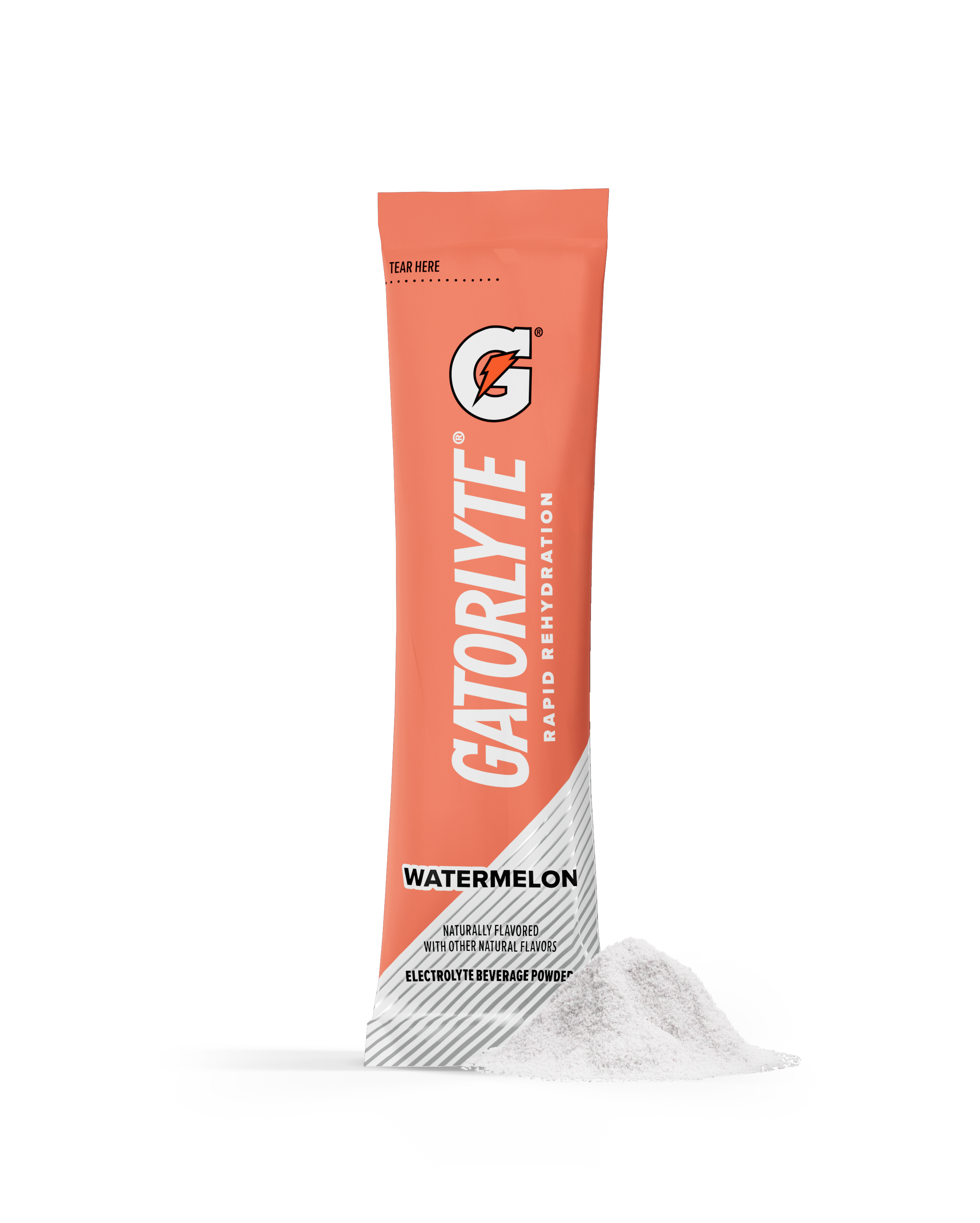
- On the go
- Rapid rehydration
- 20oz ready-to-drink bottle
- Made with a 5-electrolyte blend
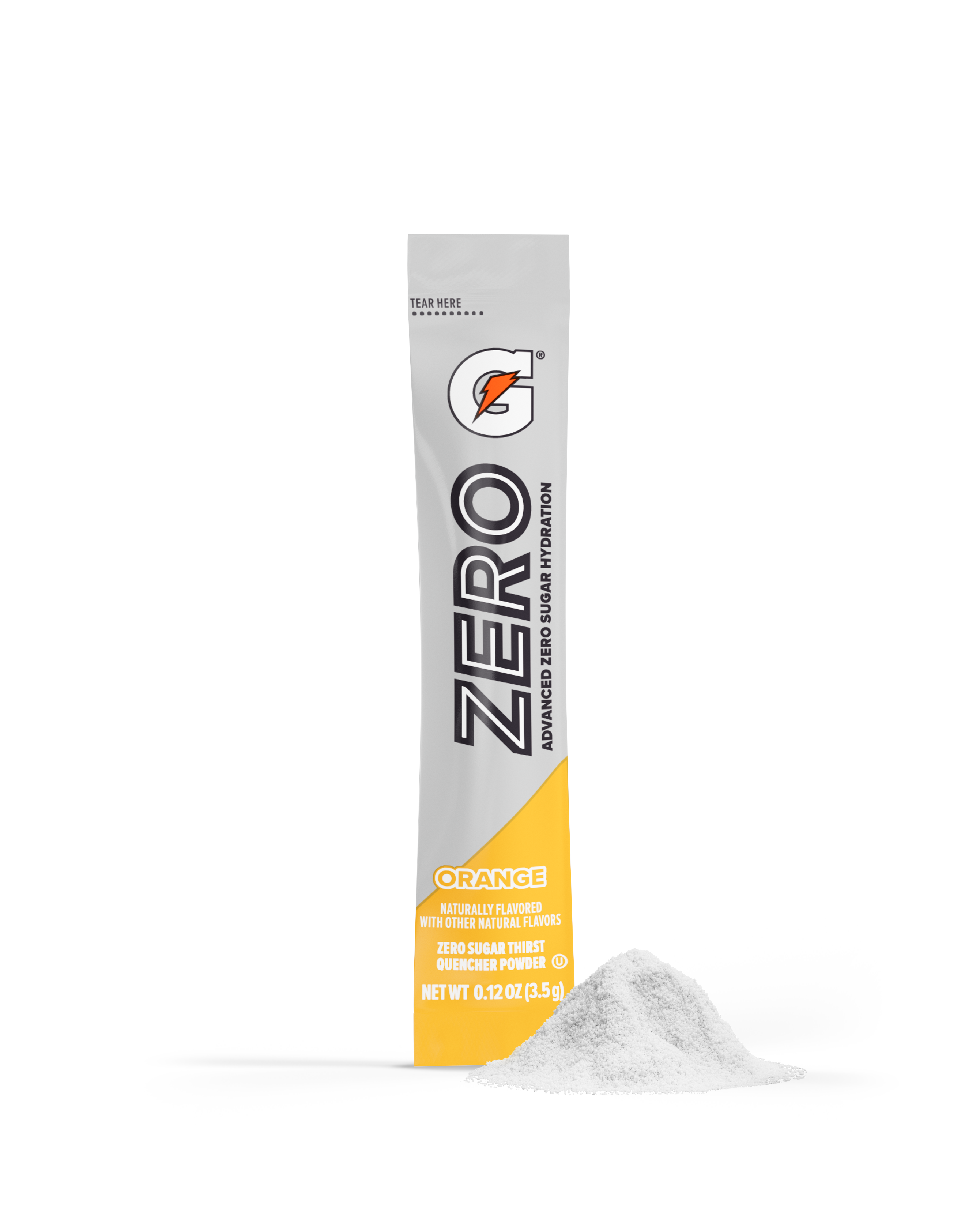
- On the go hydration
- 1 packet makes 15oz
- Electrolytes to rehydrate, zero sugar
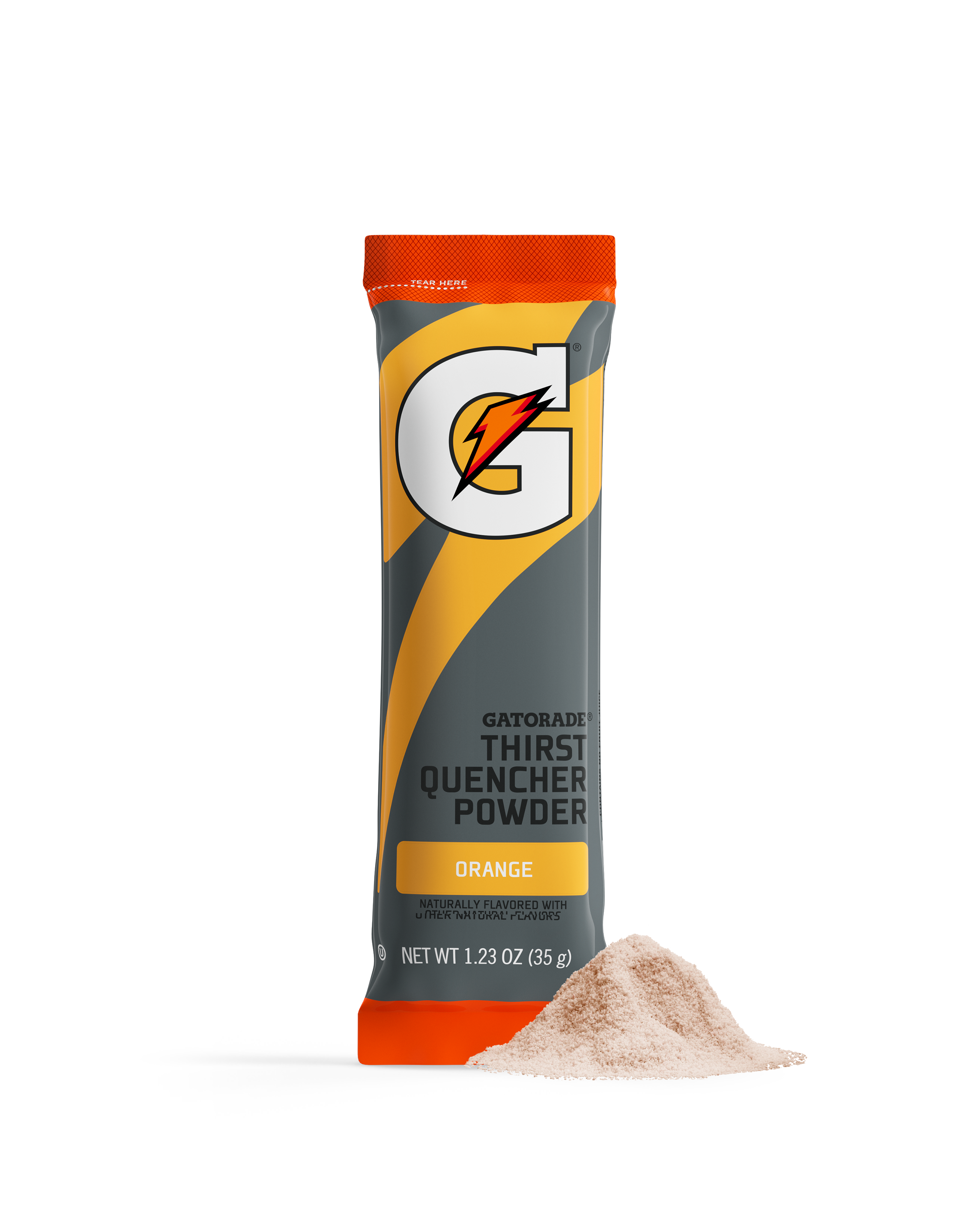
- On the go hydration
- 1 packet makes 15oz
- Electrolytes to rehydrate, carbs to refuel
- On the go
- Rapid rehydration
- 20oz ready-to-drink bottle
- Made with a 5-electrolyte blend