
Performance, Recovery
Creatine Supplementation: Safety & Benefits for Athletes
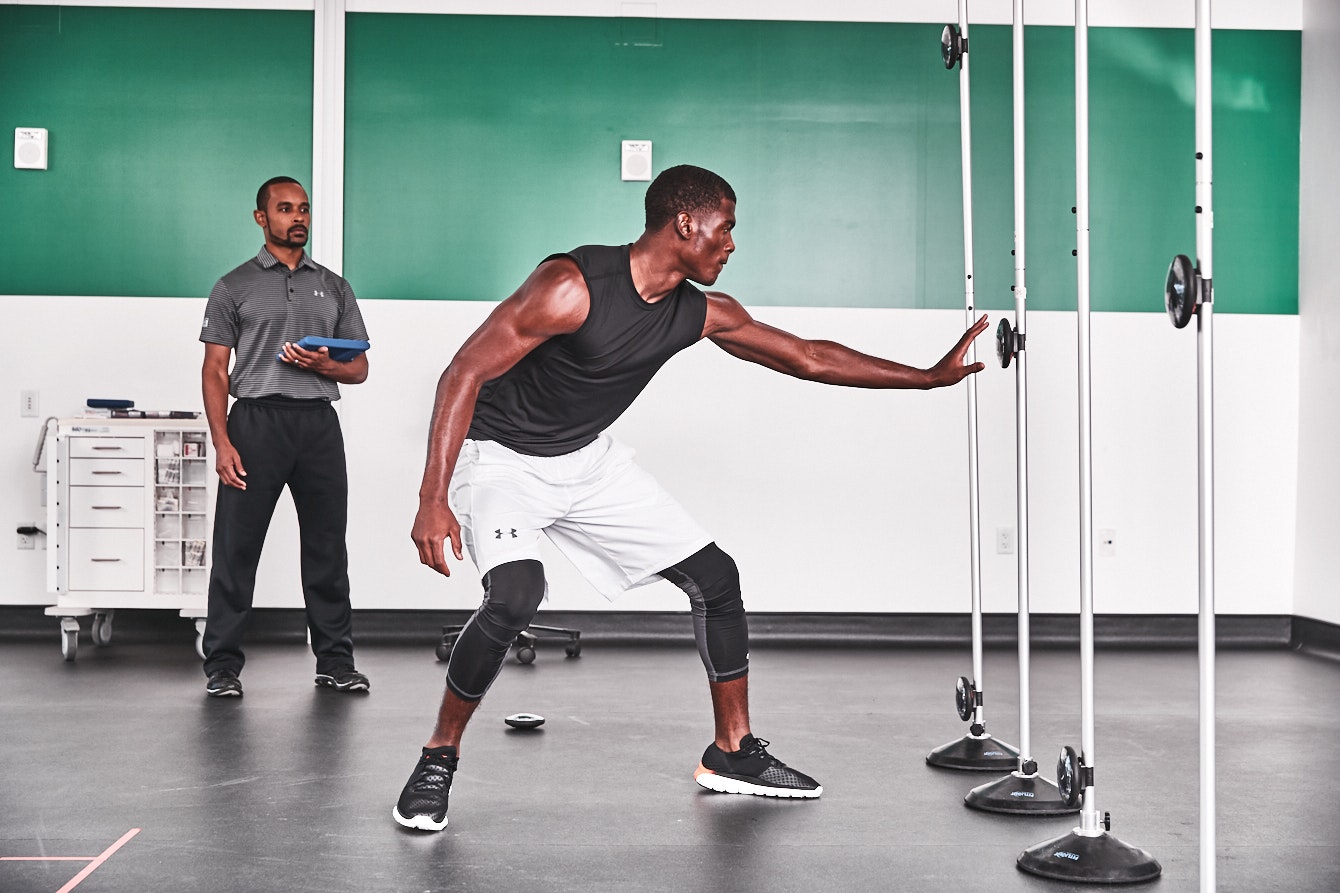
Creatine might be one of the simplest supplements you can take, but its effects run deep. Found naturally in meat and fish—and produced in small amounts by your body—creatine helps your muscles rapidly regenerate ATP, the high-energy molecule your body uses for short bursts of intense effort like sprints or heavy lifts. During explosive exercise, up to 80% of your ATP is recycled through the creatine phosphate system.
When you supplement with creatine monohydrate, your muscles store more phosphocreatine (PCr)—a compound that donates its phosphate group to ADP to quickly form ATP. The result? More energy available on demand, helping you train harder, recover faster, and build more muscle over time
How to Supplement Creatine (and Why It Works So Well)
Two ways to load up:
Rapid load: 20g/day for 5 days
Slow and steady: 3–5g/day for 4 weeks
Once saturated, you can maintain levels with just 3–5g/day. Pro tip: Creatine uptake improves when taken with a meal containing carbs or protein—or after a workout when your muscles are extra absorbent.
What happens next?
Muscles hold more water (a good thing)
Glycogen (carbs saved to fuel the muscle later) storage improves
Your body's ability to repeat sprints or power through lifting sessions goes up
Recovery and adaptations from training improve
High-Intensity Training and Resistance Workouts
This is creatine’s wheelhouse. Studies consistently show improved performance in strength training, sprinting, and any effort under 30 seconds—especially when repeated. That could mean gaining a critical edge in a fast break, final lap, or overtime push.
Muscle Growth and Adaptation
Beyond performance, creatine may help your body adapt to training. Some studies have shown it boosts signaling for muscle growth, increases satellite cells (which repair muscle), and improves intracellular hydration. Endurance? Yes, Creatine Helps There Too
While creatine’s sweet spot is short, explosive work, it can also help with sprints during endurance exercise—think final 100m kick in a 5K or a breakaway in a cycling race. Some research even shows it helps lower the oxygen cost of submax efforts and increase glycogen stores.
Creatine’s Brain Benefits Are Finally Getting the Attention They Deserve
Creatine doesn’t just help your muscles—it supports your brain, too. While it’s not a direct fuel source, creatine acts as a readily available substrate that helps your brain regenerate ATP, especially during periods of stress like sleep deprivation, hypoxia, or mental fatigue. In these conditions, creatine supplementation has been shown to help preserve decision-making speed, coordination, and cognitive resilience.
Most studies so far have been conducted outside of athletic settings, but the implications for athletes at all levels are promising. Emerging research also suggests that creatine may support recovery from mild traumatic brain injuries (mTBI), such as concussions. Although human studies are still limited, early findings from animal models and small clinical trials point to real potential.
Safety First: 25 Years of Safe Use
Despite lingering myths, creatine monohydrate is one of the safest supplements available. Clinical trials across athletes, older adults, and even patients with medical conditions have shown no harm to the kidneys, muscles, or thermoregulation when used as directed.
The few reported adverse events? Almost always linked to unrelated health issues or improper use—not the creatine itself. That’s why it’s important to choose a third-party tested creatine monohydrate supplement to ensure purity, accurate dosing, and freedom from contaminants. Look for certifications from NSF Certified for Sport, Informed Sport, or similar programs to minimize risk and maximize results.
Gatorade Tip
While creatine on its own boosts your muscles’ energy stores, taking it with a recovery drink that contains protein and carbs can help your muscles absorb it more effectively. Pairing creatine with Muscle Milk Genuine is a smart option because this drink delivers 32 g of high-quality protein (a blend of fast- and slow-digesting types) along with vitamins and minerals that support muscle rebuilding.
Gatorade Sports Science Institute
Maximize Training Gains with Protein Support
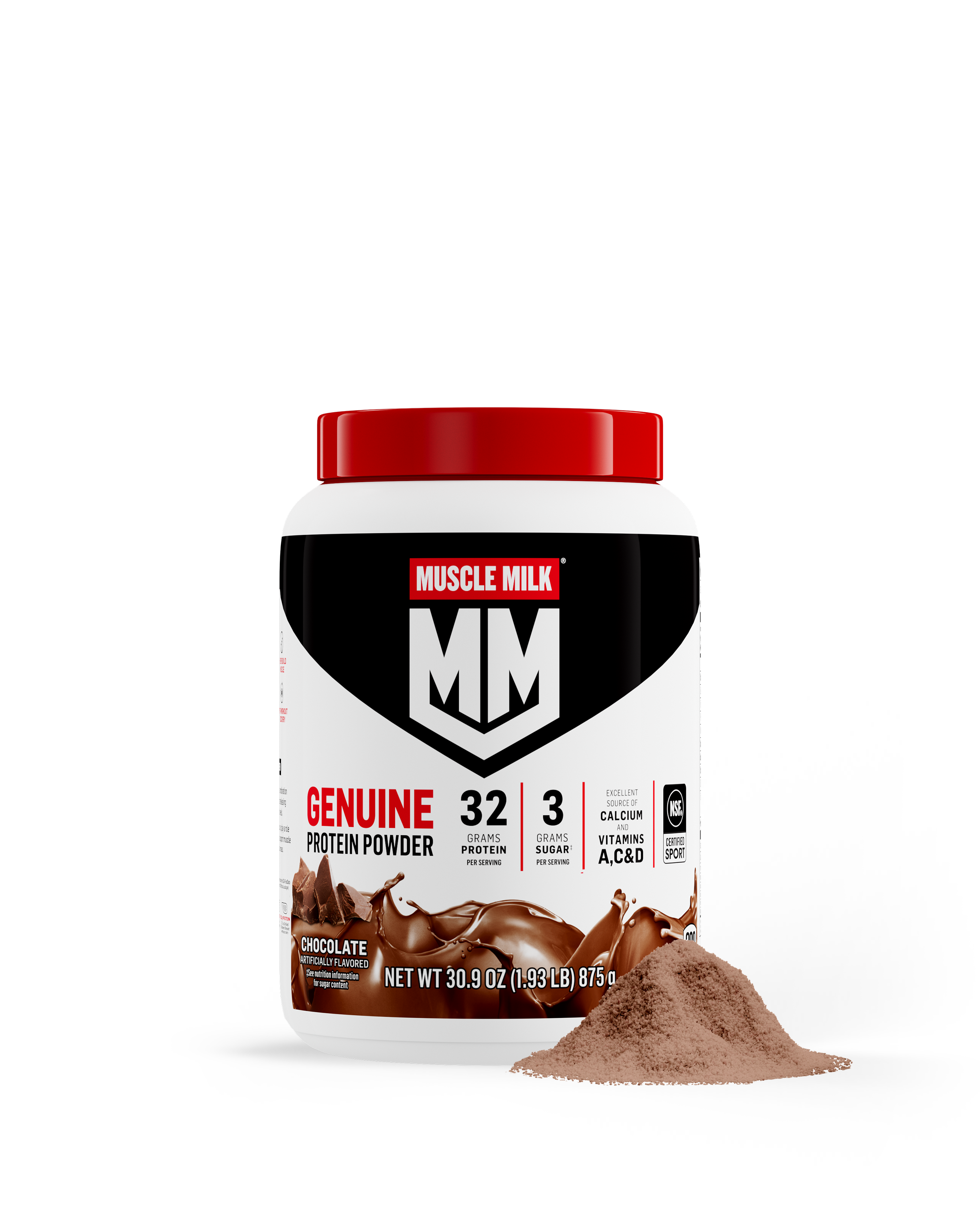
- Home or training room
- Promotes muscle recovery and growth
- 2 scoops makes 8oz
- 32g of whey and milk proteins per serving
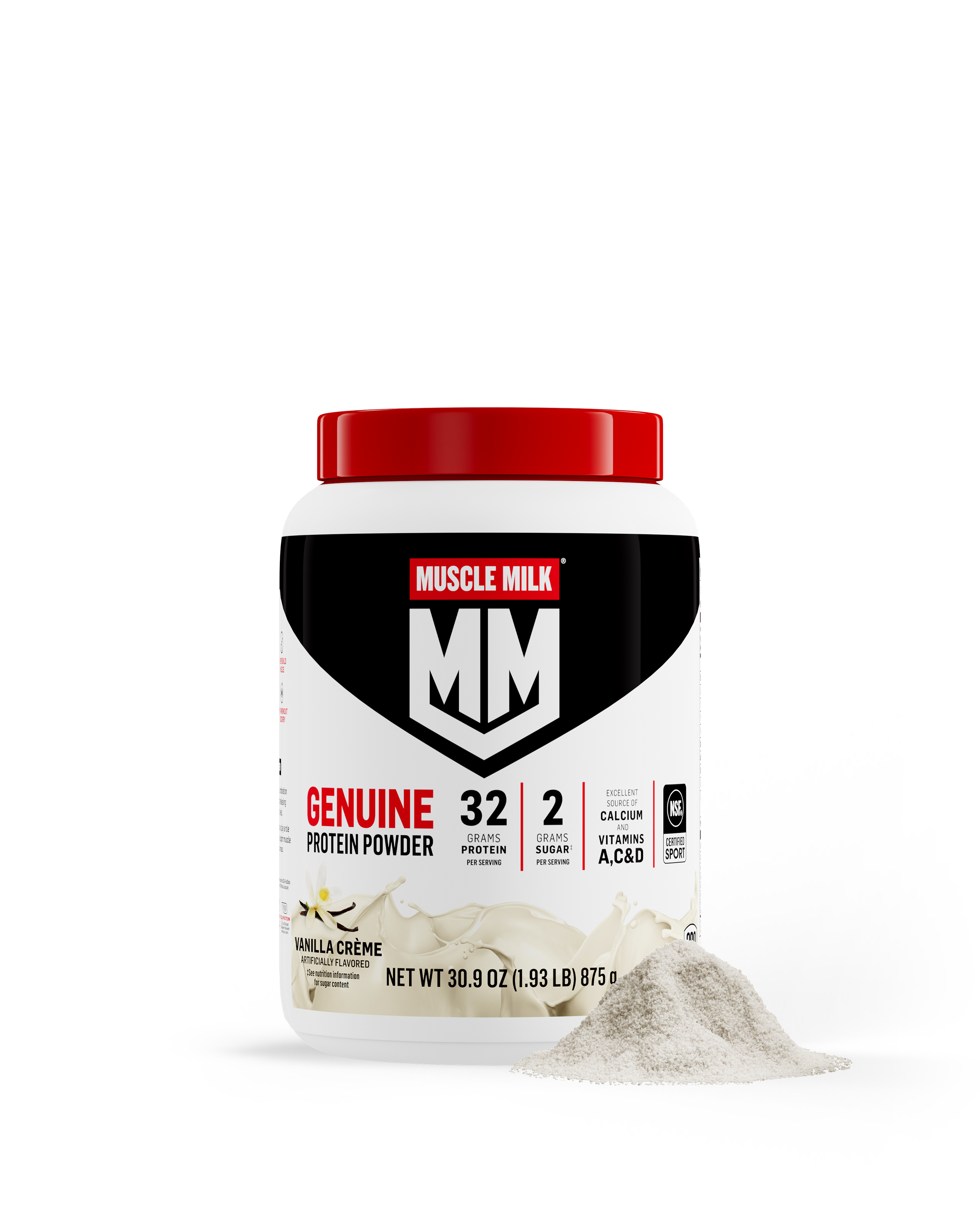
- Home or training room
- Promotes muscle recovery and growth
- 2 scoops makes 8oz
- 32g of whey and milk proteins per serving
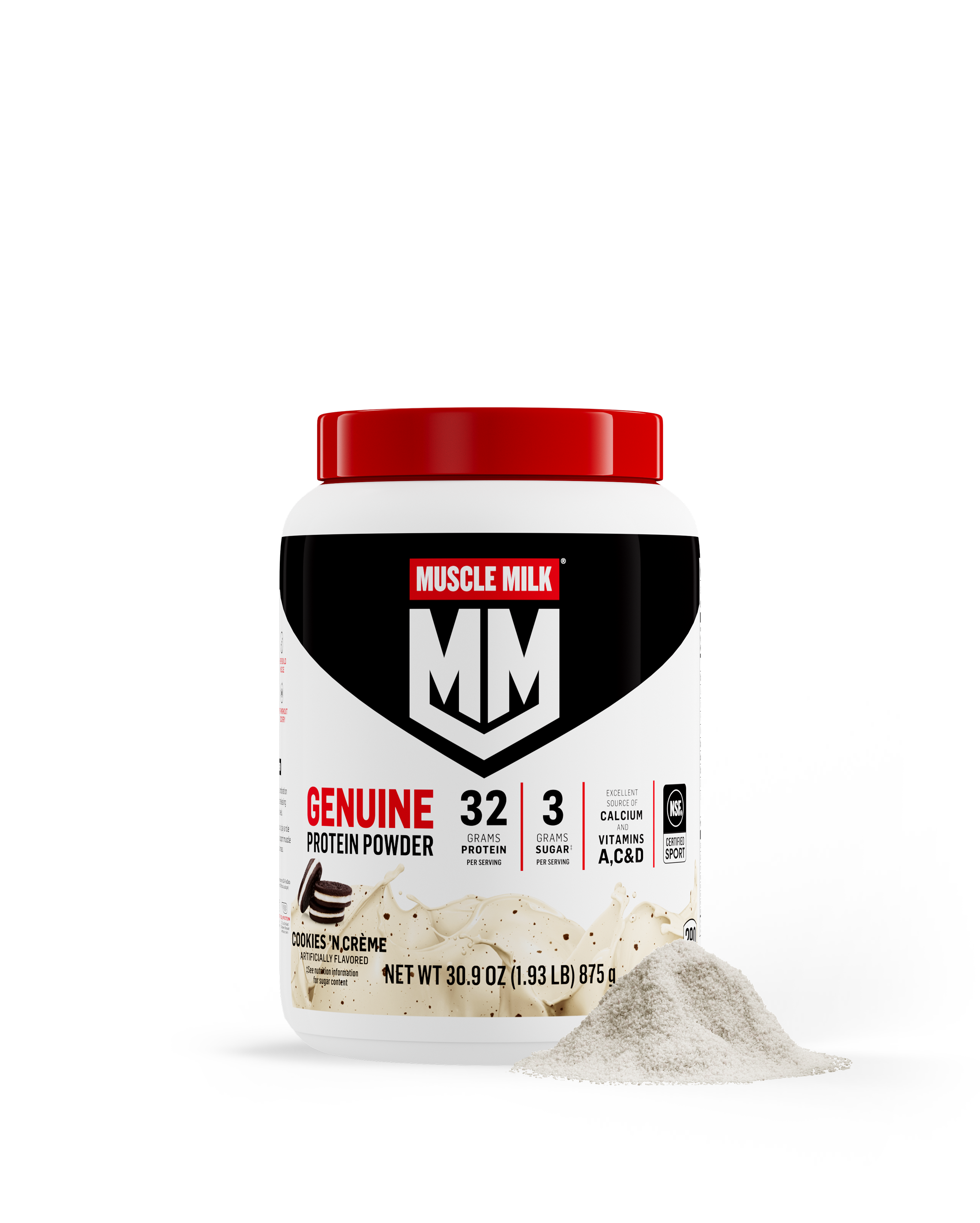
- Home or training room
- Promotes muscle recovery and growth
- 2 scoops makes 8oz
- 32g of whey and milk proteins per serving
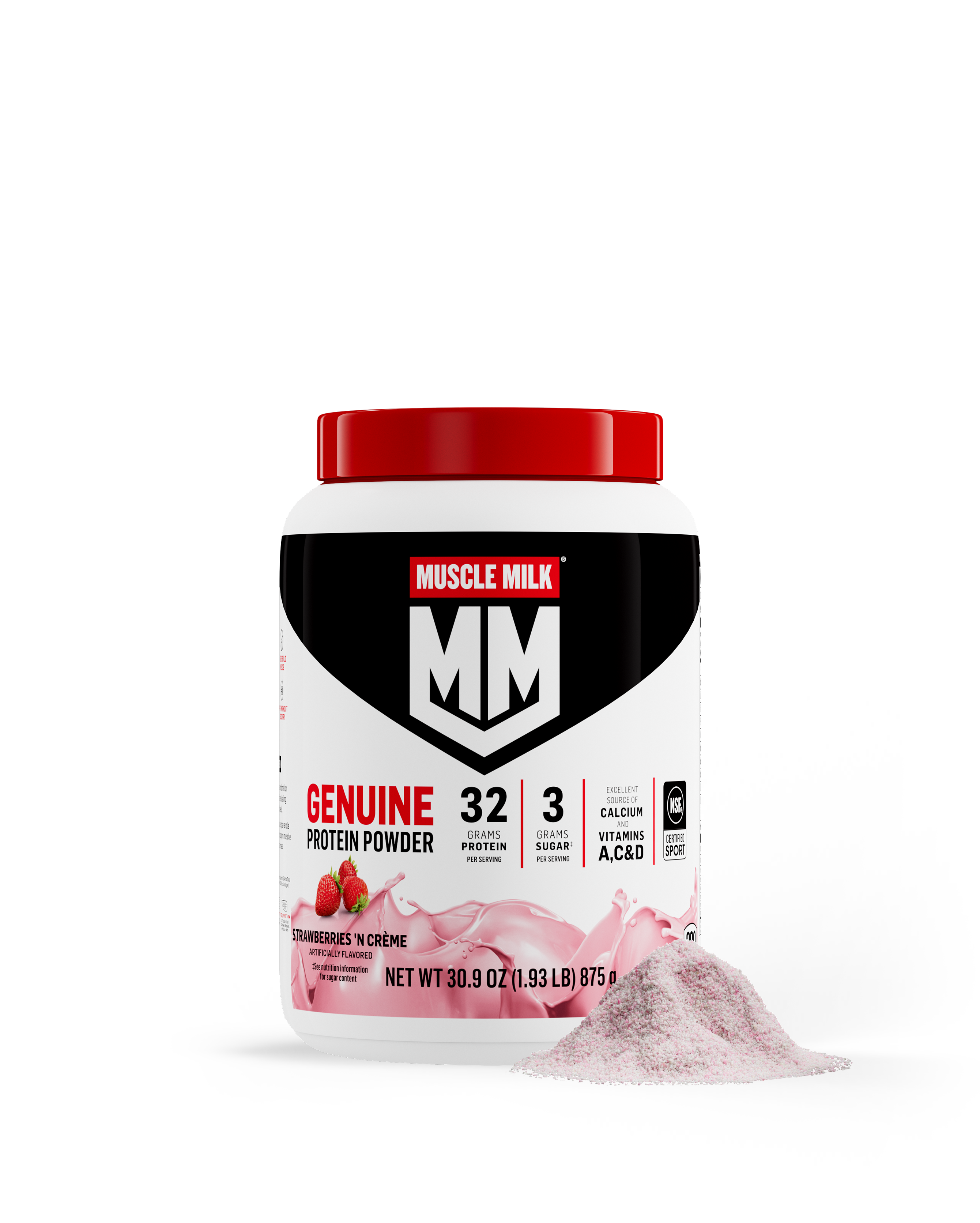
- Home or training room
- Promotes muscle recovery and growth
- 2 scoops makes 8oz
- 32g of whey and milk proteins per serving