Performance, Recovery
Muscle Cramps and Exercise: What Works & Doesn’t Work

Muscle cramps during or after exercise—often called exercise-associated muscle cramps (EAMC)—are common but poorly understood. And that’s a problem, especially for athletes pushing their limits in training or competition. So what are potential options to stop cramps in their tracks? And how can you prevent them in the first place?
Hydration Isn’t Enough—It’s About Electrolyte Balance
One more common cause of cramping has long been linked to heavy sweating and drinking plain water without replacing lost sodium. Early research in industrial workers showed that salt added to water helped reduce cramping (Dill et al., 1936). More recently, studies like Lau et al. (2019) support this, especially in hot environments where sodium loss is high.
Key takeaway: Rehydration after heavy sweating isn’t just about water—it’s about restoring sodium. Sports drinks with electrolytes, like Gatorade or Gatorlyte, can help maintain electrolyte balance when sweating is intense.
Pickle Juice? Seriously, It Might Work (Sort Of)
Some of the most interesting findings come from studies using pickle juice—yes, really. Despite having no measurable effect on blood electrolyte levels, it appears to reduce cramp duration in lab studies. Researchers suggest this is due to triggering nerves in the mouth and throat that may calm the motor neurons causing the cramp (Miller et al., 2010a).
But here’s the catch: this was in a lab, using electrically induced cramps in the foot—not real-world EAMC. So while promising, more research needs to be done.
Do Folk Remedies Like Mustard or Spices Really Stop Muscle Cramps?
Athletes have tried everything from quinine and mustard to vinegar and hot spices like wasabi to prevent cramps. Many of these work by activating TRP (transient receptor potential) channels—sensory nerves in the mouth that respond to bitterness, heat, and acidity.
One theory is that activating these nerves interrupts cramp signals at the spinal cord level—but this still needs more research. Some TRP-based products are on the market, but independent studies have yet to confirm their effectiveness.
Why Placebo Responses Matter in Muscle Cramp Treatments
Crucially, cramps often stop on their own—and that makes testing interventions tricky. Anecdotal success may reflect placebo effects, especially when treatments involve intense sensations (like sour pickle juice or spicy ginger).
Why Stretching Is Still the Most Reliable Fix for Muscle Cramps
One consistent finding? Gentle stretching of the affected muscle often helps resolve a cramp faster. It’s safe, immediate, and doesn’t require a bottle of anything.
Stretching helps because it lengthens the cramped muscle and resets the nerve signals that are firing uncontrollably, allowing the muscle to relax. By holding the stretch and gently easing the muscle back to its normal position, blood flow improves, which can help clear out built‑up metabolites that may be contributing to the cramp.
Gatorade Tip
If you're training in the heat or sweating heavily, plain water alone might not cut it. That’s because when you sweat, you lose sodium as well as fluid—and that sodium plays a key role in keeping muscles firing smoothly.
To help keep your electrolyte balance in check, consider using sports drinks like Gatorade Zero or Gatorlyte, which provide sodium and other electrolytes without overloading on sugar. Sipping these before, during, or after long or intense sessions can support hydration strategies and may help reduce the risk of cramping when conditions get tough.
Gatorade Sports Science Institute
Fuel to Stay Cramp‑Free
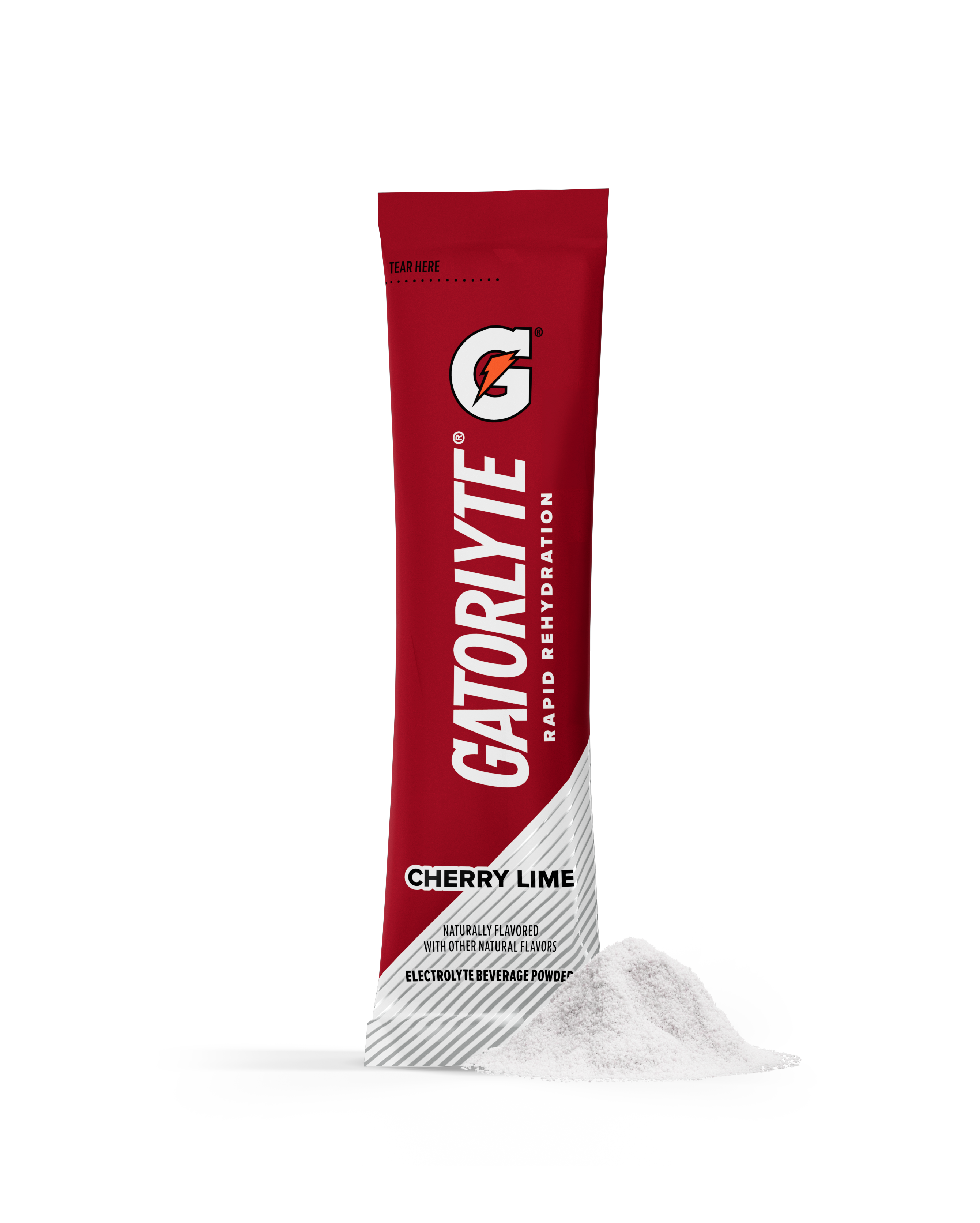
- On the go
- Rapid rehydration
- 20oz ready-to-drink bottle
- Made with a 5-electrolyte blend
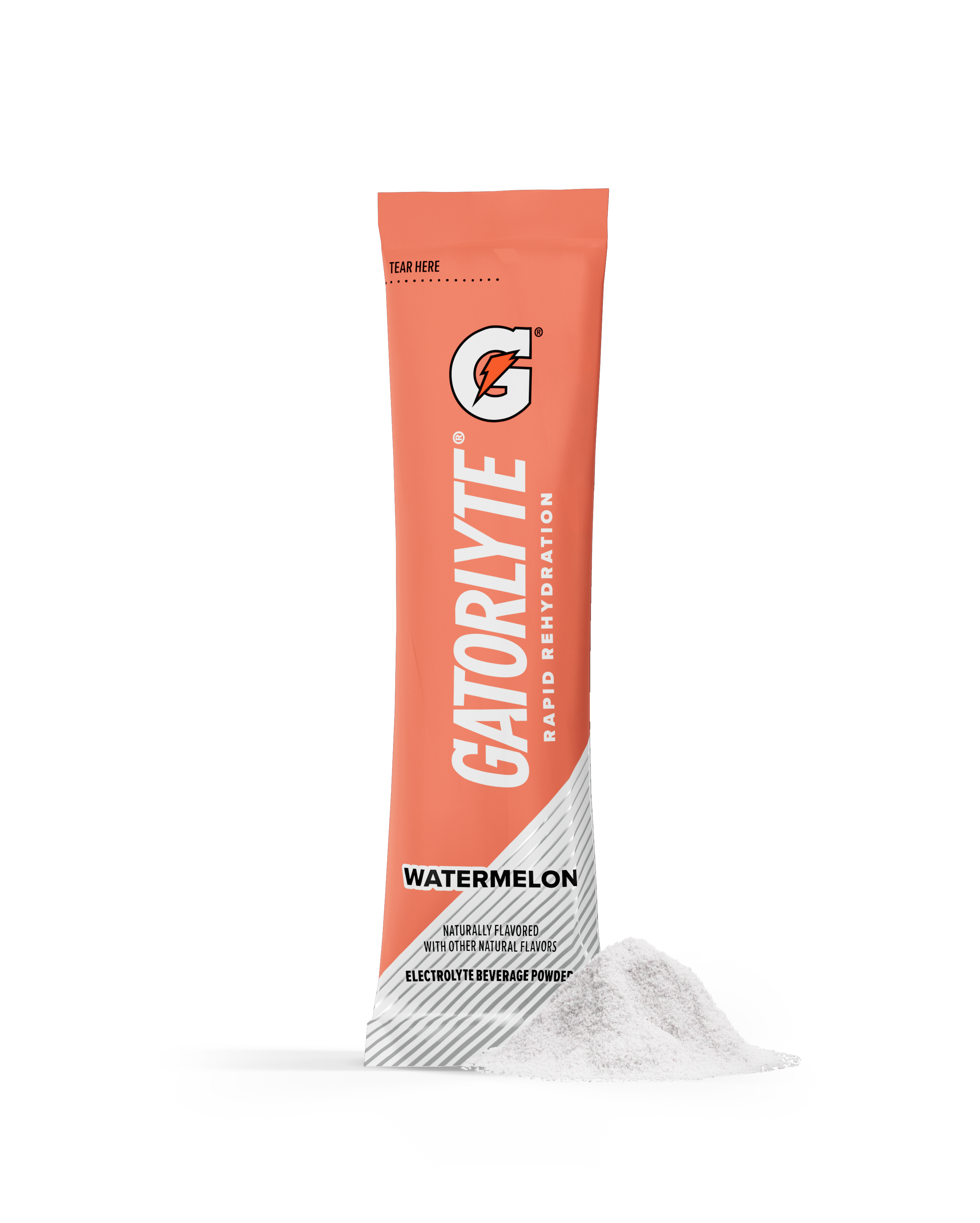
- On the go
- Rapid rehydration
- 20oz ready-to-drink bottle
- Made with a 5-electrolyte blend
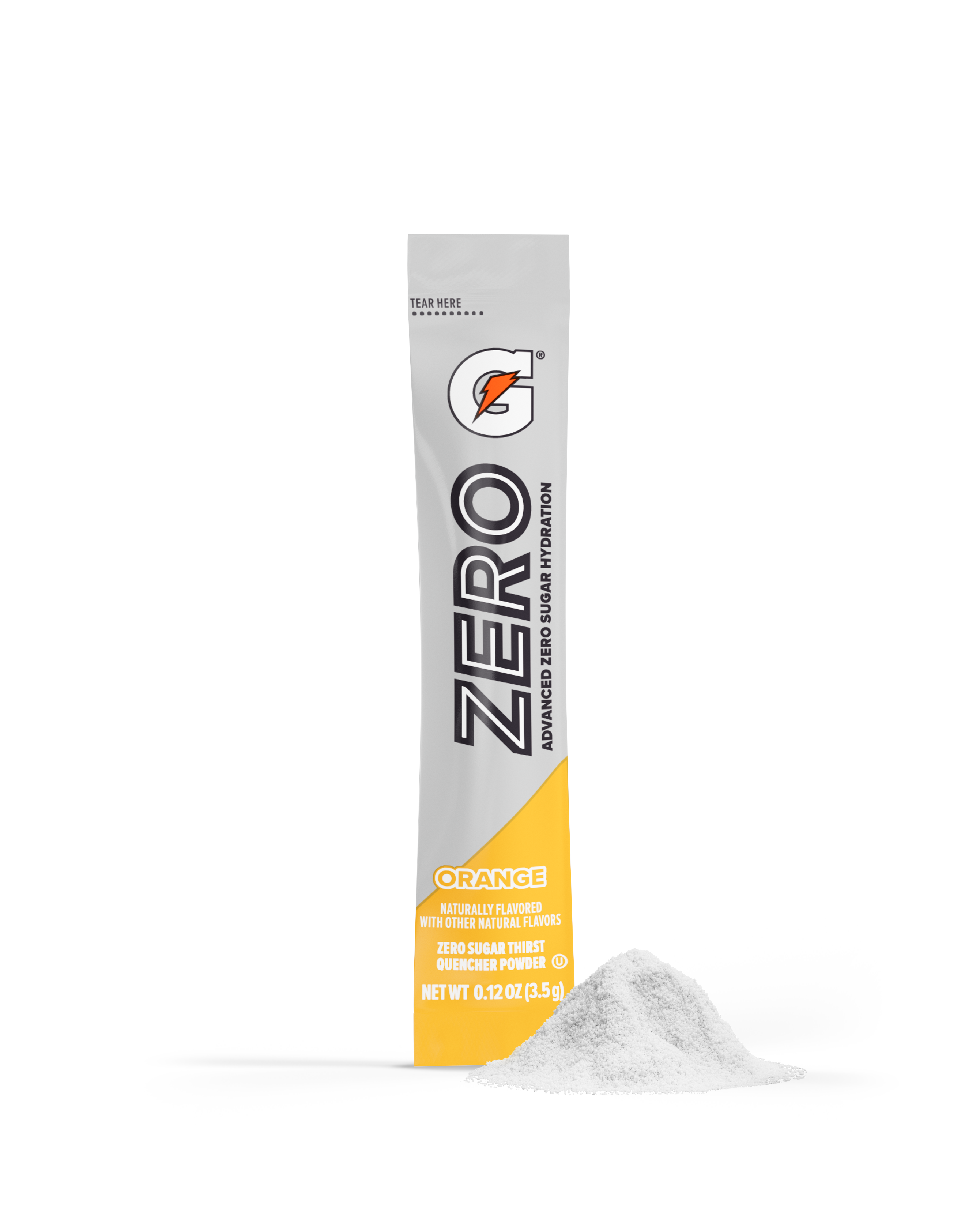
- On the go hydration
- 1 packet makes 15oz
- Electrolytes to rehydrate, zero sugar
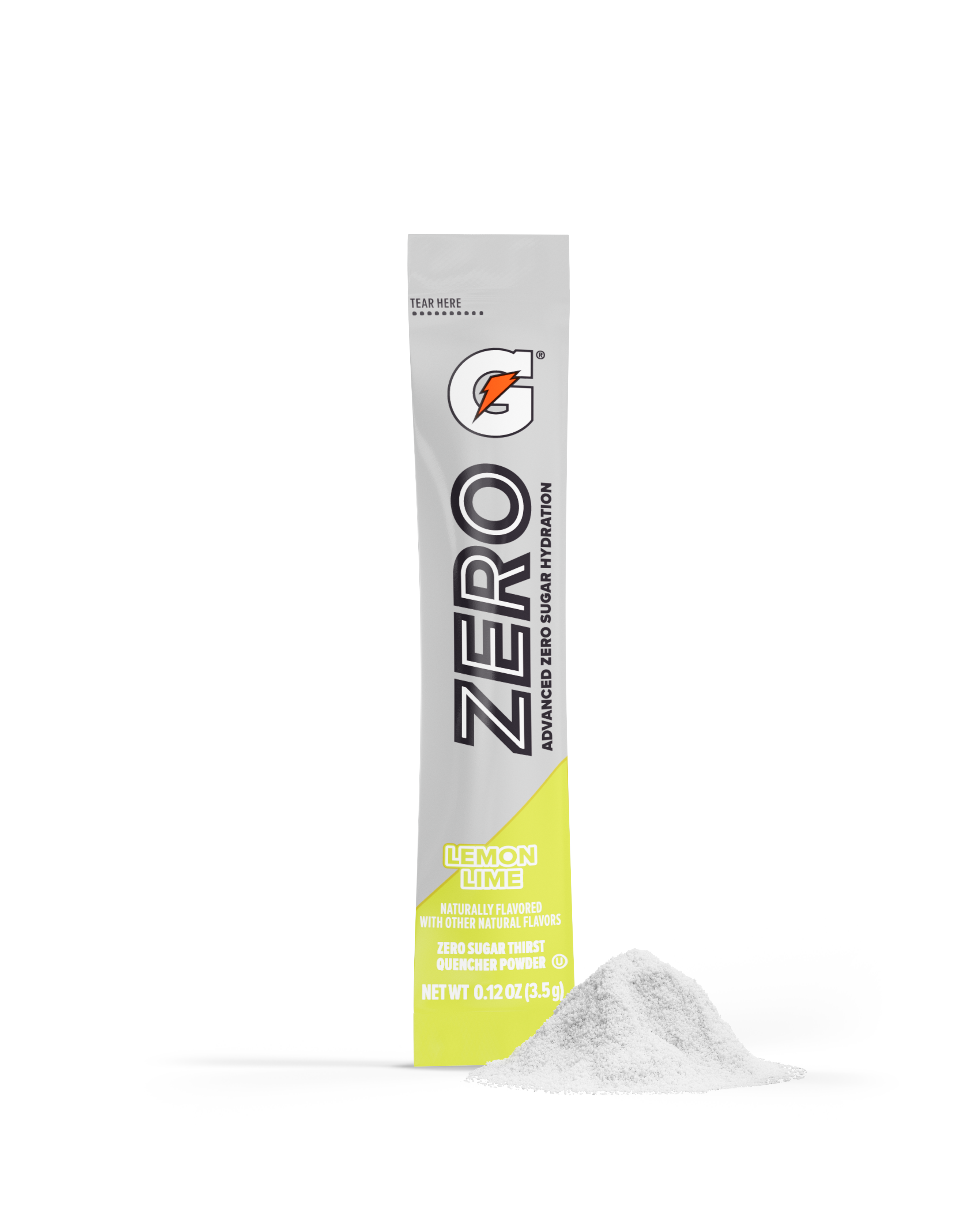
- On the go hydration
- 1 packet makes 15oz
- Electrolytes to rehydrate, zero sugar