
Performance
Gut Training for Athletes: Boost Fuel & Ease GI Distress
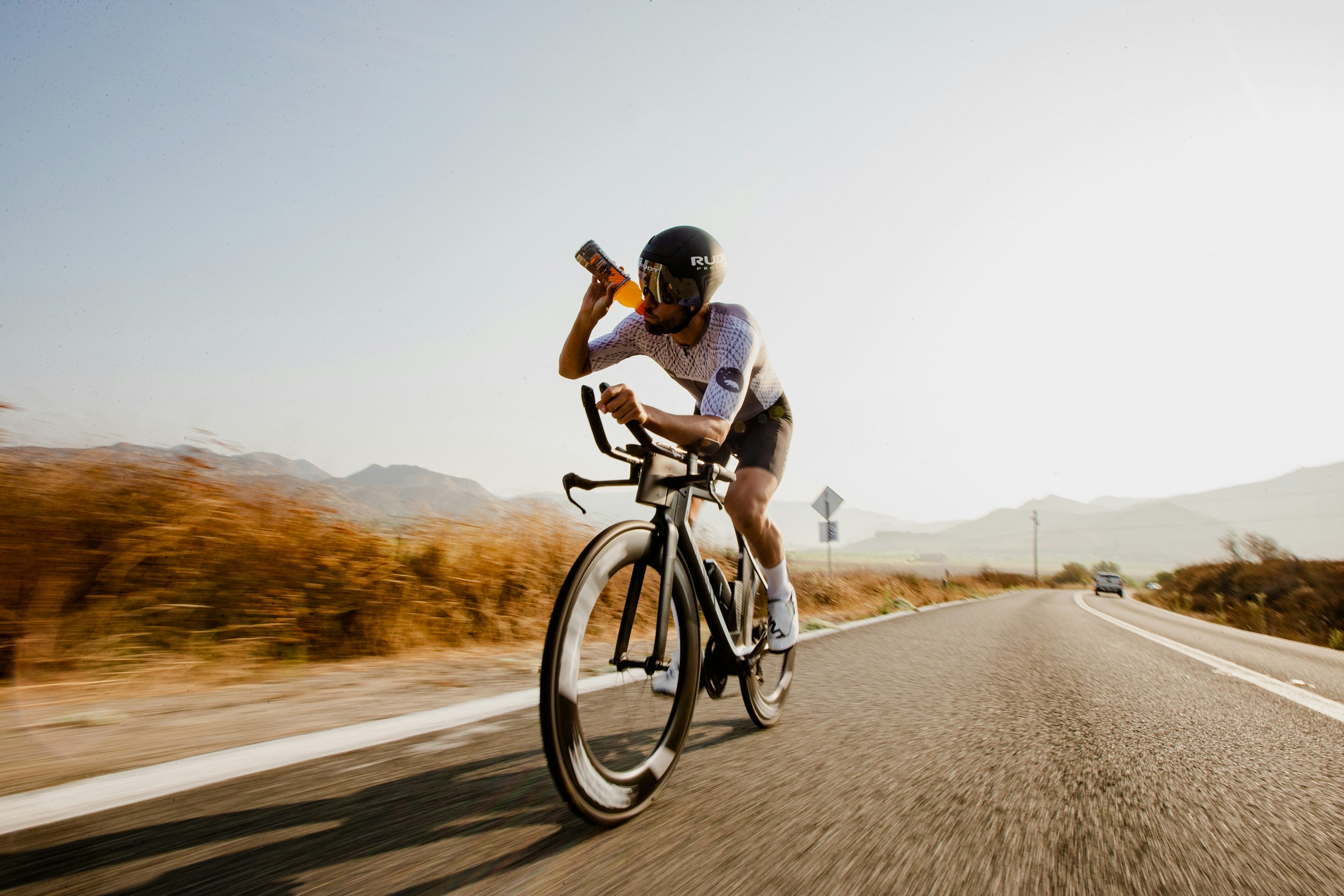
Every endurance athlete knows that legs and lungs aren’t the only things that can fail on race day—sometimes it’s your stomach and intestines.
Bloating, nausea, even vomiting and diarrhea: gastrointestinal (GI) distress is one of the most common performance disruptors in endurance sports. The last thing any athlete wants to do is desperately search for a portable toilet during a race or vomit on the side of the course. But what if your gut could be trained just like your muscles? Emerging science says it can—and the benefits go beyond comfort.
Why the Gut Matters for Performance
Your GI tract is a key player in how well you perform during prolonged exercise. It delivers critical nutrients—especially carbohydrates and fluids—to working muscles. If absorption is slowed or impaired, you miss out on energy and hydration. Worse, you might experience symptoms that stop you in your tracks.
That’s why a growing number of sports scientists and coaches are encouraging athletes to "train the gut."
What Is Gut Training?
Just like your muscles adapt to training loads, your GI system can adapt to higher intakes of carbohydrates and fluids when practiced regularly. This includes:
Improved gastric emptying: your stomach gets faster at sending fuel to your intestines.
Better nutrient absorption: transport proteins in your intestines become more efficient.
Less discomfort: your gut becomes more tolerant of higher volumes of fluid and concentration of carbohydrate.
Real Evidence, Real Adaptations
Studies in athletes have shown that repeated exposure to large fluid and carbohydrate volumes improves stomach comfort during exercise. For example, runners who consumed high volumes of fluid during training runs reported significantly less GI distress after just a few sessions.
Early research suggests that the gut can adapt to higher fluid and carbohydrate intake through repeated exposure. In both animal studies and limited human trials, increasing carbohydrate intake has been linked to upregulation of key intestinal transporters—SGLT1 for glucose and GLUT5 for fructose—which could improve fuel absorption during exercise.
Preliminary trials in athletes have shown that some individuals experience reduced GI discomfort after practicing with large carb and fluid volumes during training. One small study in trained cyclists found higher carbohydrate oxidation rates in those consuming high-carb diets, potentially due to improved absorption, but more human data is needed.
These findings point to a promising connection between pre-race nutrition strategies and in-race performance, but further human research is essential to confirm the benefits and identify optimal protocols.
How to Train Your Gut
Here’s how athletes can apply gut training in practice:
Practice your race nutrition during long sessions. Mimic the volume and timing of carbs and fluids you'll use in competition.
Increase intake gradually. Start with lower amounts of fluid and carbohydrate and build up over several weeks.
Use multiple carbohydrate sources. Combining glucose and fructose (like in many sports drinks or gels) can improve absorption rates when consuming 60-90 g/h.
Train with the same products you’ll race with to reduce the chance of surprises.
Monitor symptoms. Keep a record of how you feel. If GI distress persists, adjust your timing, concentration, or total intake of fluid and carbohydrate.
Not Just for the Pros
While elite athletes might benefit most from high-intake gut training, recreational athletes can also see big improvements—not just in performance, but in the overall experience of racing.
Training your gut can:
Reduce race-day stomach issues
Improve energy availability late in events
Help meet fluid targets without discomfort
Boost confidence in your fueling plan
A Word on Hydration
Hydration and gut training go hand-in-hand. Large volumes of fluid can feel uncomfortable if you’re not used to them, but over time, your stomach can learn to tolerate more. For hot conditions or long events, this is critical.
Pairing gut training with smart hydration strategies—like those offered by Gatorade Endurance Formula - made for endurance athletes, delivering 42g of carbs and key electrolytes, plus a 2:1 glucose-to-fructose blend designed to support energy delivery and reduce GI distress at higher intake levels.
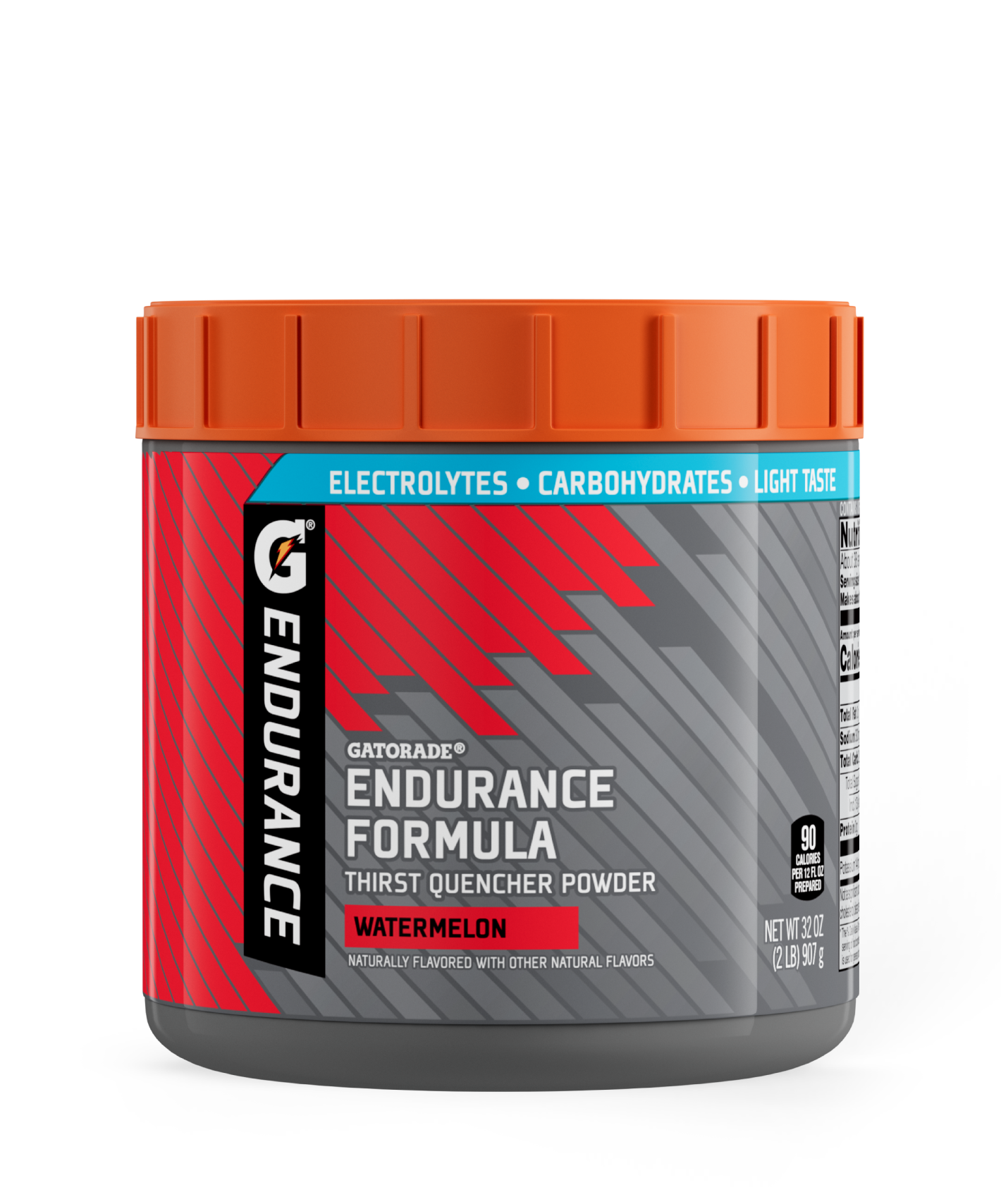
- Provides carbohydrates to fuel muscles during prolonged exercise
- Refuels with a 2:1 blend of glucose to fructose to help reduce GI distress at higher intake levels
- Replenishes key electrolytes before and during workouts
- Contains nearly 2x the sodium and 3x the potassium of traditional Gatorade
- Formulated specifically for endurance athletes and events lasting 1.5–2+ hours
Gatorade Sports Science Institute