
Performance, Hydration
Dehydration & Brain Function: How Fluid Loss Impacts Mental Performance
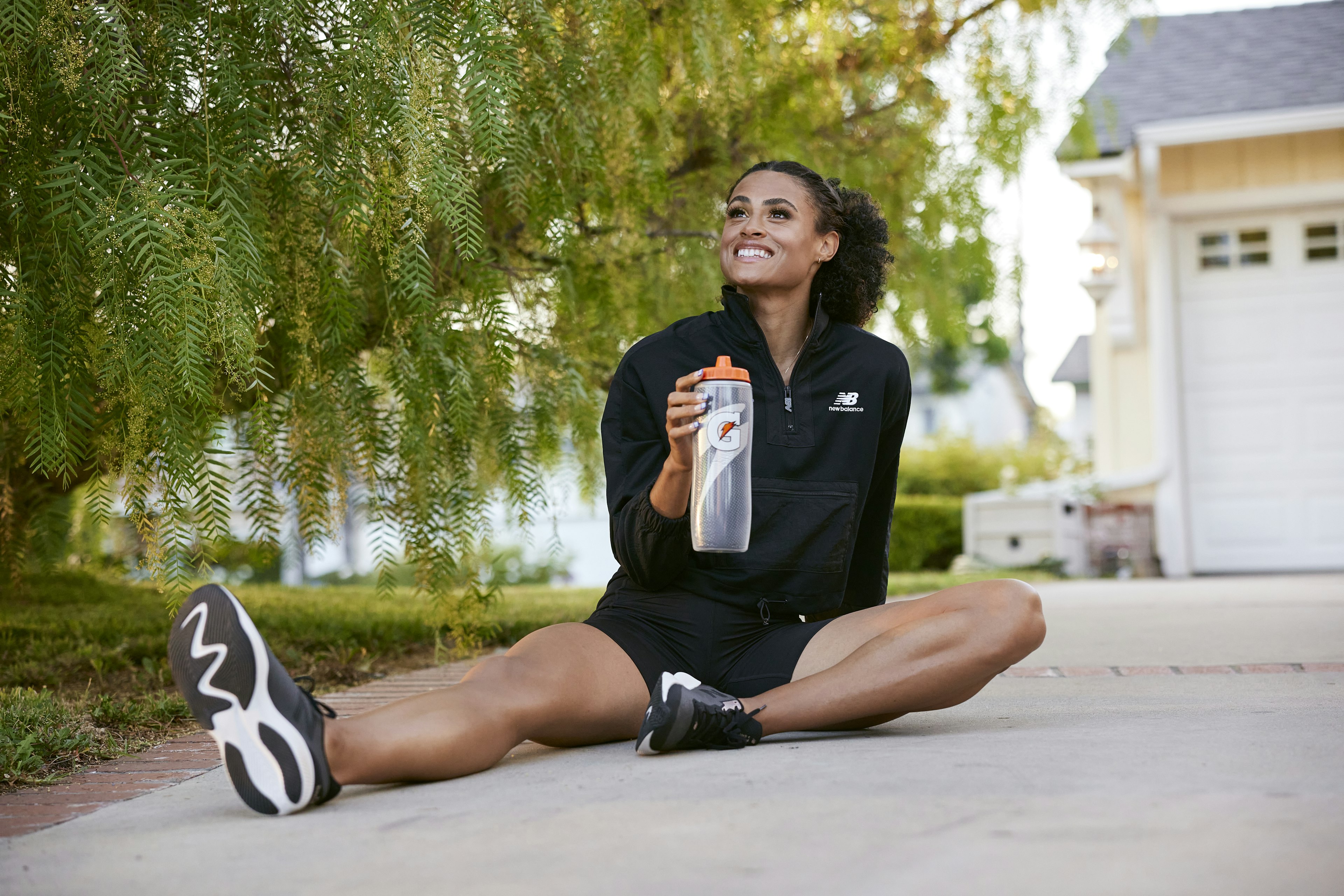
Hydration isn't just about quenching thirst. It's about keeping your brain firing on all cylinders. Even mild hypohydration (a 1% drop in body mass from fluid loss) can impair cognitive performance across all age groups. And the effects can creep in quietly: lower focus, slower reaction time, increased fatigue, and even riskier decisions.
Let’s break down how dehydration affects the brain and how to stay sharp, whether you’re a student, a busy adult, or an aging athlete.
What is Dehydration?
Dehydration, or hypohydration, happens when fluid loss exceeds intake. While severe dehydration gets most of the attention, research shows that even a 1% drop in body mass from fluid loss can impact how well we think and feel.
That’s roughly equivalent to losing 1.5 pounds (0.7 kg) of water for a 150-pound person, easily possible after a few hours without fluids or a long walk in the sun.
How Dehydration Affects Thinking
Cognitive function includes skills like memory, attention, reasoning, and decision-making. Studies show that hypohydration tends to hit complex mental processes hardest - especially executive function, working memory, and attention.
In Children
Children often arrive at school already dehydrated. Limited water access and reliance on adults make it worse. Studies show that even drinking 250–500 mL of water can improve memory, attention, and task focus.
In Adults
Dehydration as small as 1% body mass loss from fluid restriction or light exercise can impair executive function and driving performance. One study found that hypohydrated drivers made twice as many errors compared to when they were fully hydrated.
In Older Adults
Adults >60 years old are at higher risk for dehydration due to a blunted thirst response and lower total body water. Dehydration is linked with confusion, memory lapses, and even clinical delirium in severe cases.
The Real-World Risk Dehydration
Imagine trying to focus during a work meeting, study for an exam, or drive home from practice - all with reduced mental clarity. In studies simulating driving or flying, mild dehydration led to more mistakes, slower reaction times, and higher mental effort to complete the same tasks.
Thirst Isn’t Enough
By the time you feel thirsty, you’re already slightly dehydrated. And older adults may not feel thirst as strongly. That’s why proactive hydration habits, like planned drinking, are especially important for aging populations and anyone with high cognitive demands.
How Much Water Do You Need?
(Institute of Medicine General Guidelines)
Daily Total Water Intake (All Sources):
Men: ~3.7 L/day
Women: ~2.7 L/day
By Age (from IOM):
Ages 4–8: ~1.7 L/day
Ages 9–13: Boys ~2.4 L | Girls ~2.1 L
Ages 14–18: Boys ~3.3 L | Girls ~2.3 L
Actual needs vary by age, body size, climate, and activity level. Children, older adults, and athletes may need more to support sweat loss and thermoregulation.
Bottom line: Keep a steady flow of fluids going, even if you’re not thirsty.
While needs vary, most adults should aim for: (Institute of Medicine General Guidelines)
Men: ~3.7 liters/day (from all sources)
Women: ~2.7 liters/day
Children, older adults, and active individuals may need more or less, depending on their physiology and activity. The key? Drink throughout the day and not just when you’re thirsty.
Quick Hydration Wins for Cognitive Clarity
Start the day hydrated: Drink water soon after waking up.
Make water accessible: Keep a bottle nearby, especially for kids at school or adults at work.
Add hydration breaks: Especially before mentally demanding tasks like exams, presentations, or long drives.
Don’t rely on thirst: Use reminders or visual cues.
Include electrolytes: Especially post-exercise or in hot weather.
How Does Gatorade Help With Dehydration
Dehydration isn’t just about losing water - it’s about losing essential electrolytes like sodium and potassium that help your body absorb and retain fluids. Gatorade is designed to replace both, making it more effective than water alone during or after activity, especially when sweat loss is high.
Products like Gatorade Zero with Electrolytes offer the hydration and electrolyte support your body needs, without added sugar. Whether you're on the field, in the gym, or prepping for a big exam, staying properly hydrated can help support mental clarity, reaction time, and overall performance. Gatorade helps you rehydrate smarter so your brain and body can stay at their best.
Gatorade Sports Science Institute
Fuel Your Focus with Gatorade Electrolytes
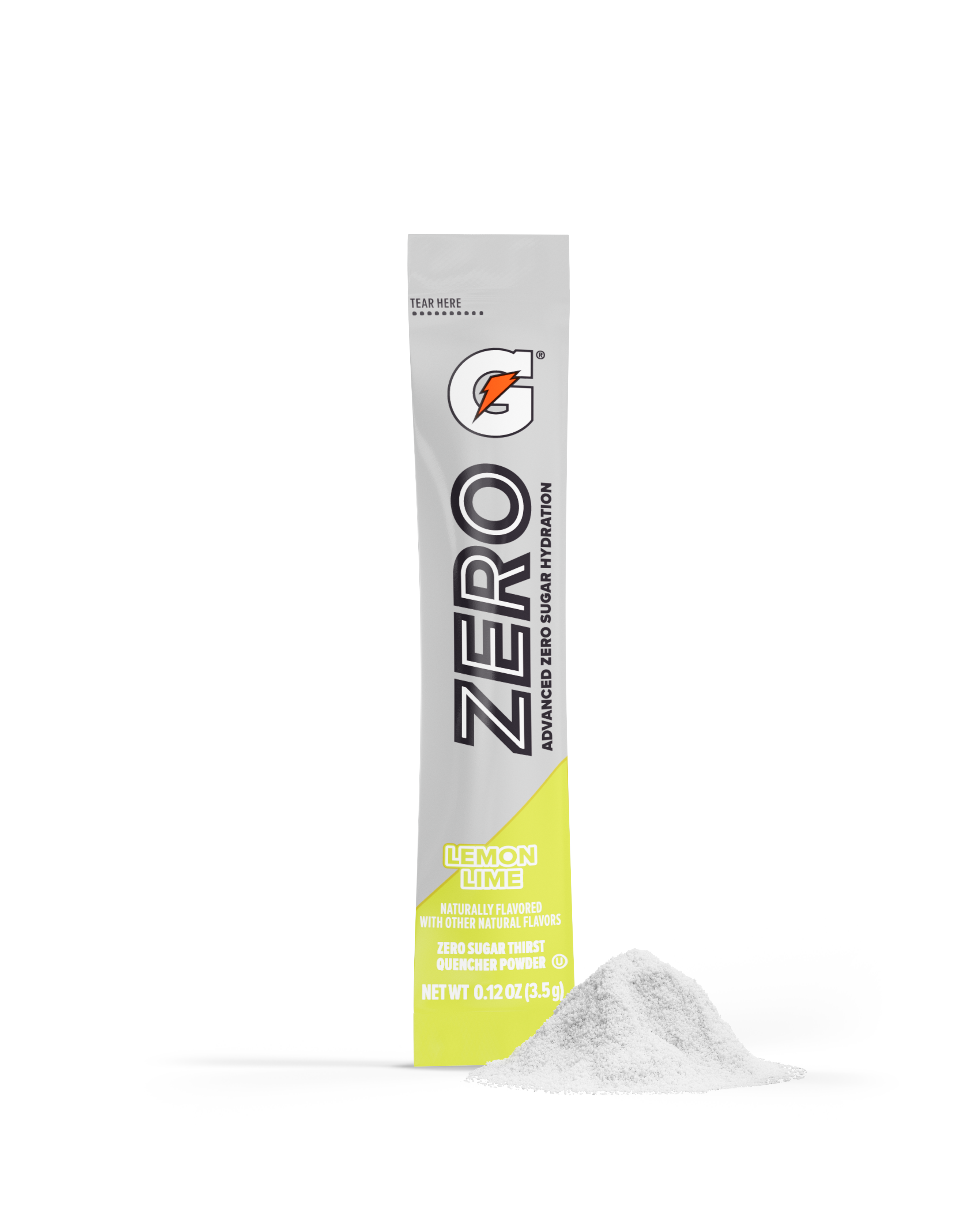
- On the go hydration
- 1 packet makes 15oz
- Electrolytes to rehydrate, zero sugar
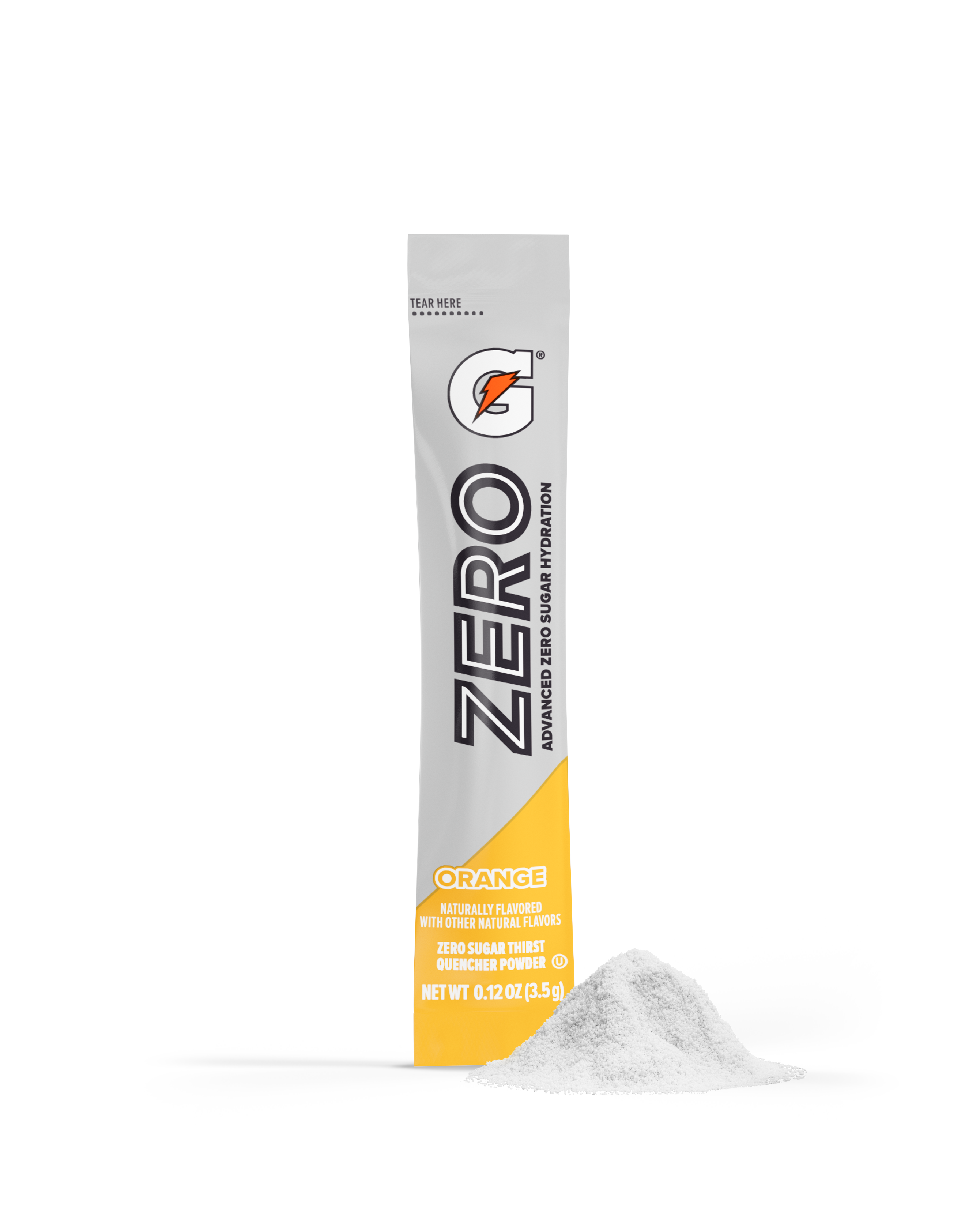
- On the go hydration
- 1 packet makes 15oz
- Electrolytes to rehydrate, zero sugar
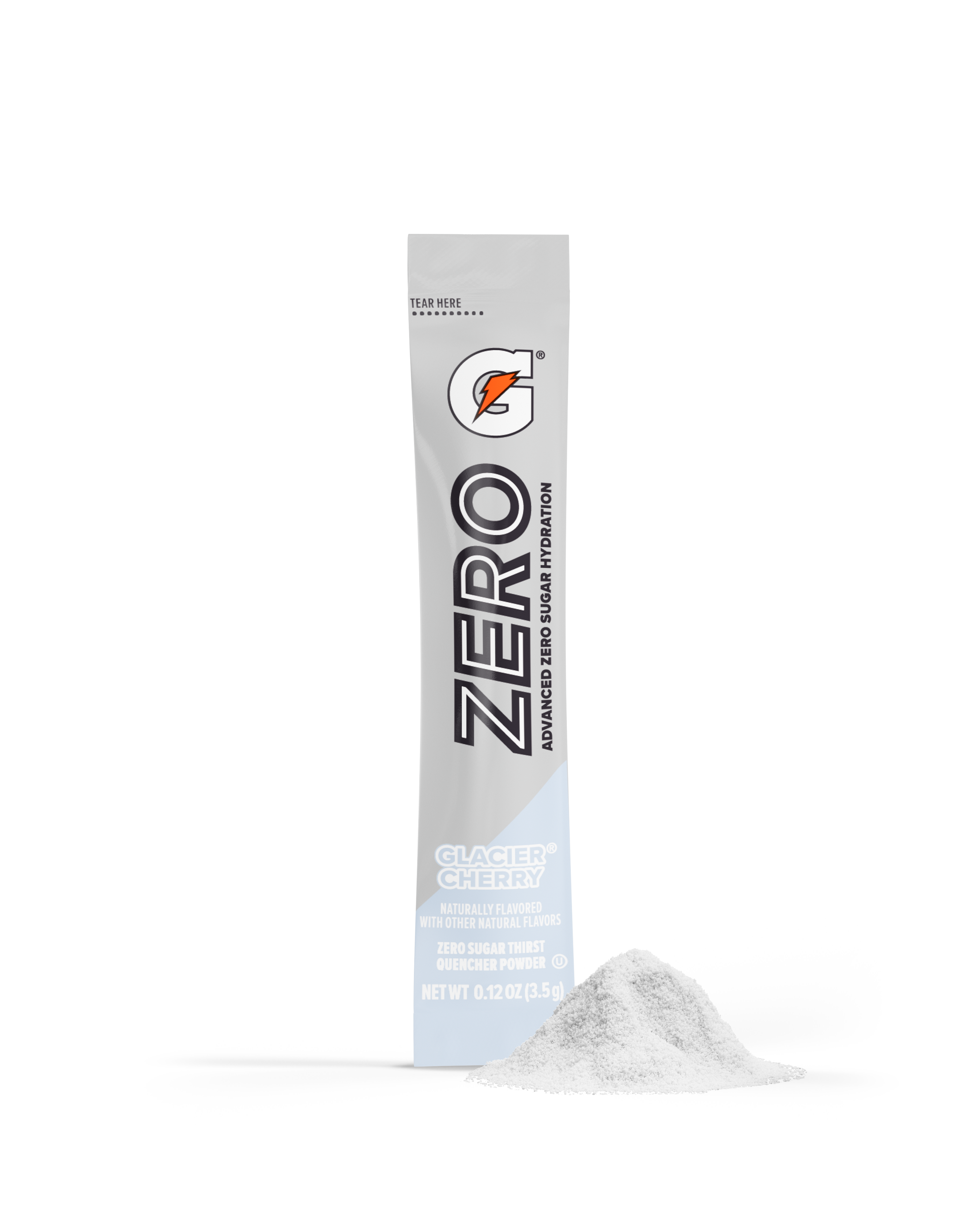
- On the go hydration
- 1 packet makes 15oz
- Electrolytes to rehydrate, zero sugar
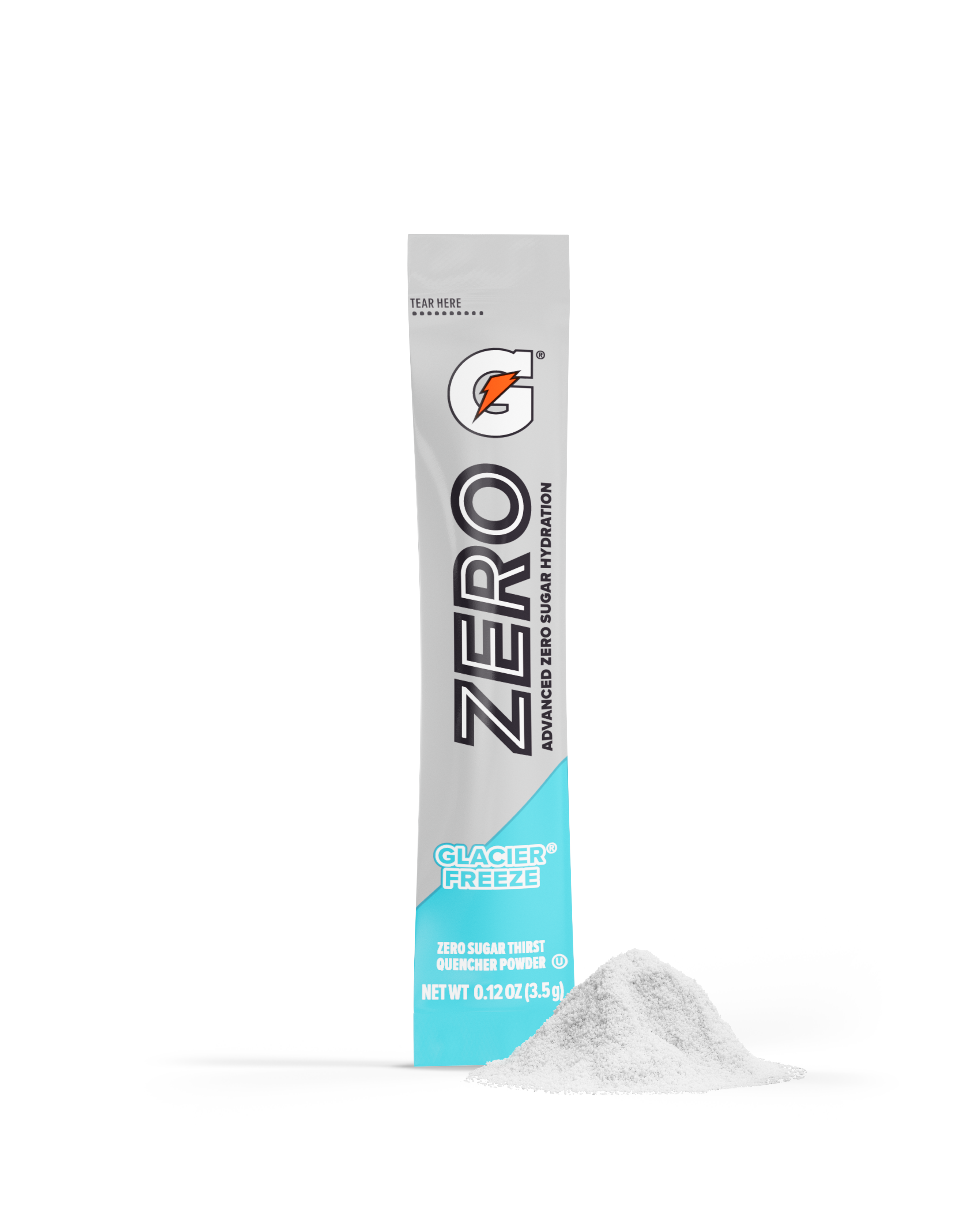
- On the go hydration
- 1 packet makes 15oz
- Electrolytes to rehydrate, zero sugar