
Hydration, Performance
How Dehydration Impacts Endurance - And What You Can Do
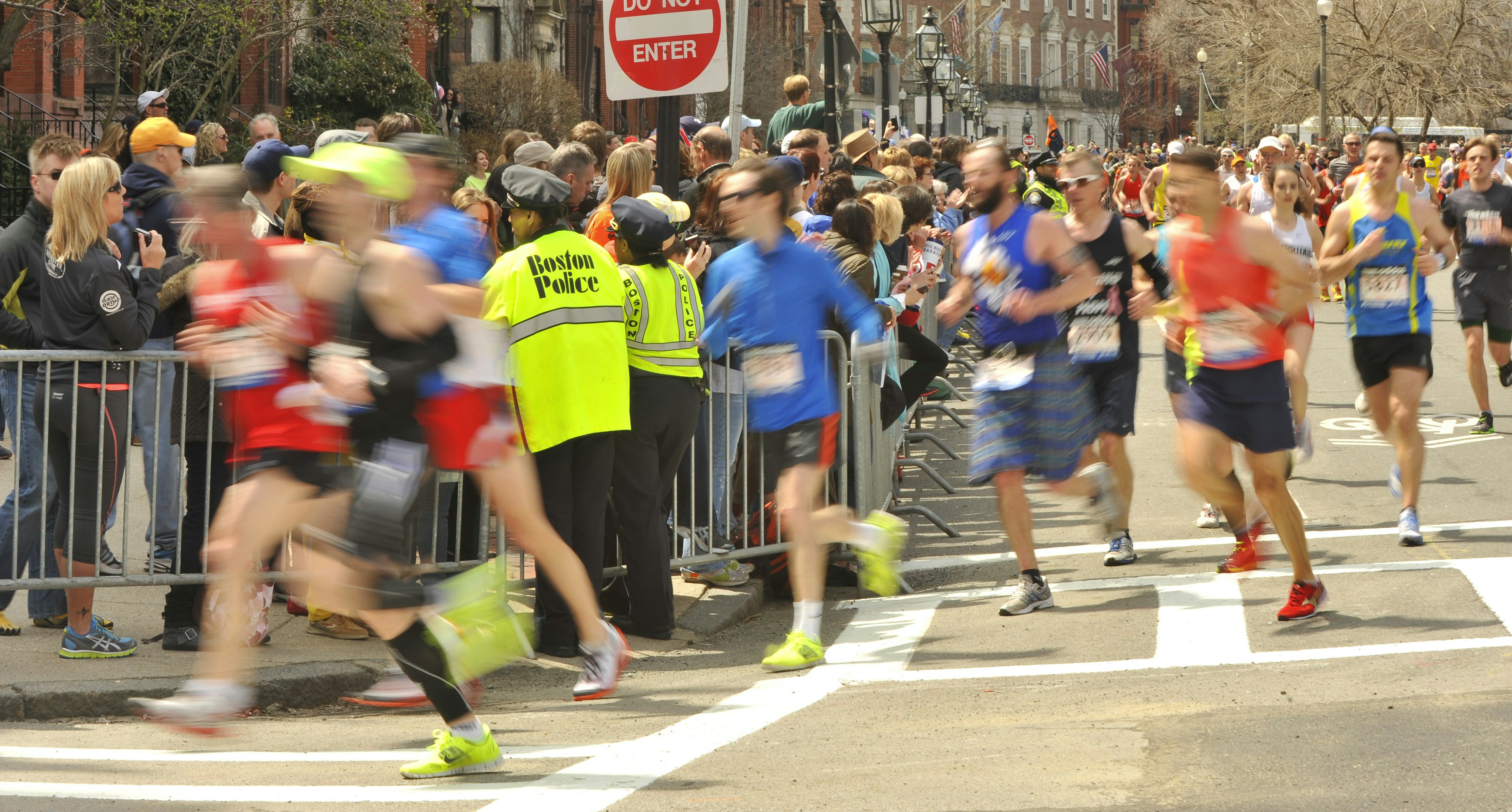
For over 100 years, scientists have studied how dehydration impacts athletic performance. Endurance athletes, in particular, are prime subjects—after all, long hours of sweating without full fluid replacement is practically part of the job. The prevailing belief has long been that losing more than 2% of your body weight from fluids tanks your performance. But recent research is challenging that narrative and urging us to rethink how we study hydration in the first place.
So, does dehydration actually hurt endurance performance—or have we been misled by flawed methods?
Let’s dive into science.
Why Do Endurance Athletes Lose So Much Fluid?
Whether you're running a marathon, cycling for hours, or competing in a triathlon, chances are you're losing more fluid through sweat than you're taking in—especially in hot, humid conditions. This "involuntary dehydration" happens even when fluids are freely available. The result? Body mass losses that can exceed 2–5% during long events.
But here’s the big question: Does this water weight loss actually impair your ability to perform?
Does Losing Over 2% Body Weight Really Slow You Down?
Most studies—and major guidelines like those from the American College of Sports Medicine—agree: dehydration beyond 2% of body mass can reduce endurance performance. The reasons make sense:
Reduced blood volume = lower stroke volume and cardiac output
Less blood to the muscles and brain
Elevated core temperature
Increased perceived exertion
Greater reliance on stored carbohydrates
All these physiological hits stack the odds against you in a race or hard training session. So far, so clear.
Are We Misreading the Science on Dehydration?
Despite the consistent findings, some endurance events show that top finishers are often the most dehydrated. In one marathon, the winner lost nearly 10% of his body mass and still crushed the field. Does that mean dehydration is harmless—or even helpful?
Not so fast.
Fast runners tend to sweat more and have less time to drink, so their dehydration might be a result of high performance, not a cause of it. But these findings raise a critical issue: How we study dehydration might be skewing the results.
What Blind Studies Reveal About Dehydration and Performance
Here’s the kicker: almost all earlier studies on dehydration were unblinded. Athletes knew whether they were drinking or not, which opens the door to placebo and nocebo effects. If someone believes dehydration will hurt their performance, it probably will—even if the physiological impact is minimal.
Newer studies have taken a different approach. By delivering fluids directly into the stomach (via nasogastric tubes) or bloodstream (via IV), researchers can manipulate hydration status without the athletes knowing. This "blinding" allows for a purer look at the physiological effects.
The results?
Intragastric (stomach) fluid delivery: Performance declined by 8–11% when athletes were dehydrated—even when they didn't know they were.
IV fluid delivery: Results were mixed. Some studies saw no change, possibly because the body didn’t "feel" hydrated due to lack of fluid in the GI tract or oral receptors.
These findings suggest that when dehydration is induced in a way that closely mimics real-world exercise conditions, performance takes a hit—even when athletes are unaware of their hydration status.
Can Athletes Adapt to Training With Dehydration?
One study asked: what happens if athletes are repeatedly exposed to dehydration during training? After just five sessions, athletes who initially saw a 6% performance drop while dehydrated only experienced a 1% drop.
This suggests some level of habituation is possible, meaning experienced athletes might tolerate dehydration better simply because they’ve practiced it. However, the mechanisms—likely more psychological than physiological—need more exploration.
What Athletes and Coaches Should Focus on Now
Here’s what we know right now:
Endurance athletes are highly susceptible to dehydration, especially in the heat or during long events.
Emerging blinded research supports the traditional view: dehydration >2% does impair performance—but only when hydration is manipulated in realistic ways.
Study quality matters: When dehydration is uncomfortable, unfamiliar, or obvious, it may be the method—not the dehydration itself—hurting performance.
Some athletes may adapt to moderate dehydration with repeated exposure, but this isn’t a free pass to ignore hydration strategies.
How to Build a Smarter Hydration Strategy for Race Day
While researchers continue to refine the science, one thing remains clear: hydration strategies matter. Knowing your sweat rate, having a race-day hydration plan, and training your gut to tolerate fluid intake are smart steps toward staying in peak form—especially when the heat is on.
Bonus Tip: Look for hydration products that support performance by replacing not just water, but also sodium and carbohydrates lost in sweat. Gatorade Endurance Formula, designed for serious endurance athletes, is formulated to do just that—helping you stay fueled and hydrated when it matters most.
Gatorade Sports Science Institute
Fuel Smart: Hydration That Goes the Distance
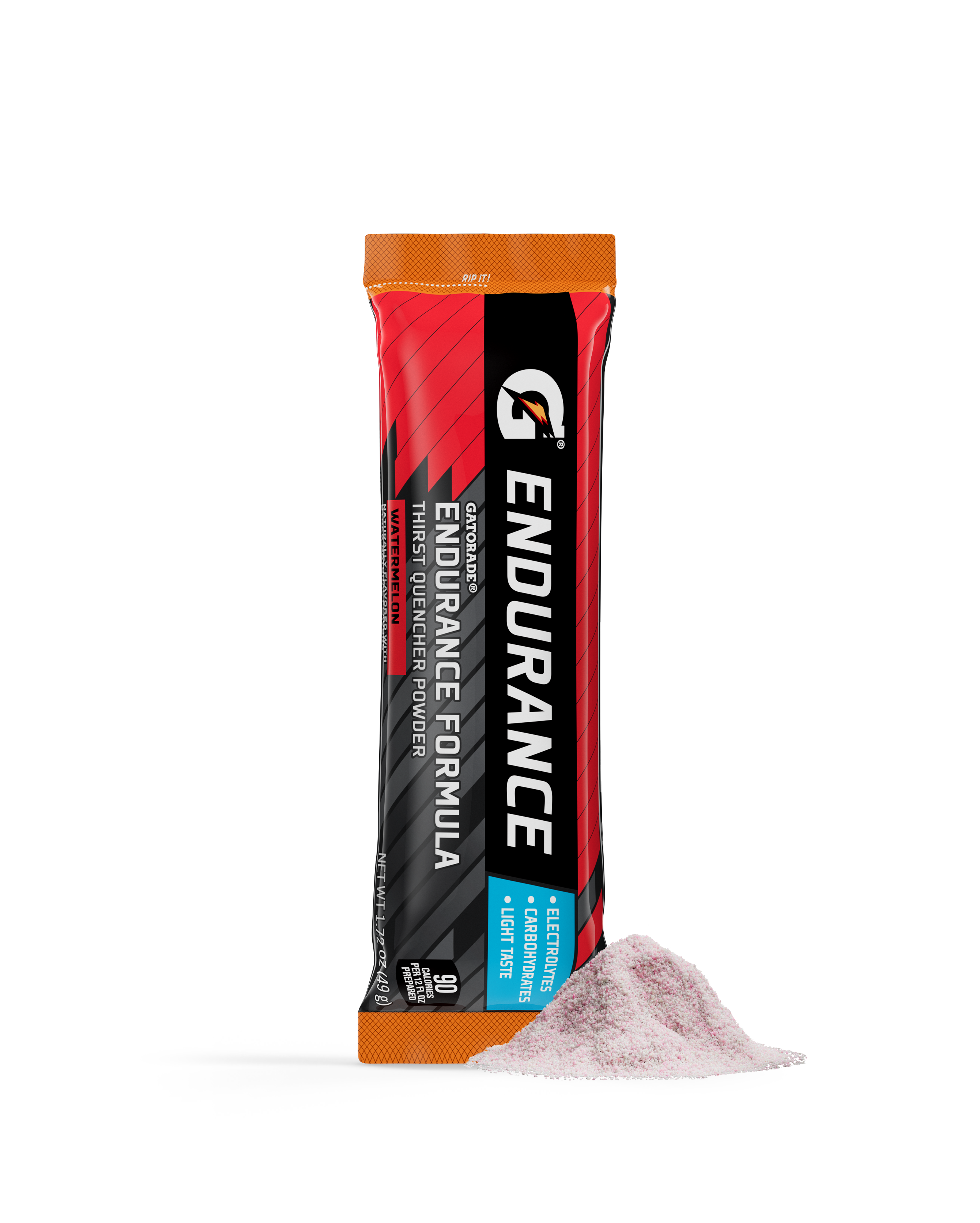
- For home or training room
- Refuel with carbs and electrolytes
- Ideal for endurance athletes
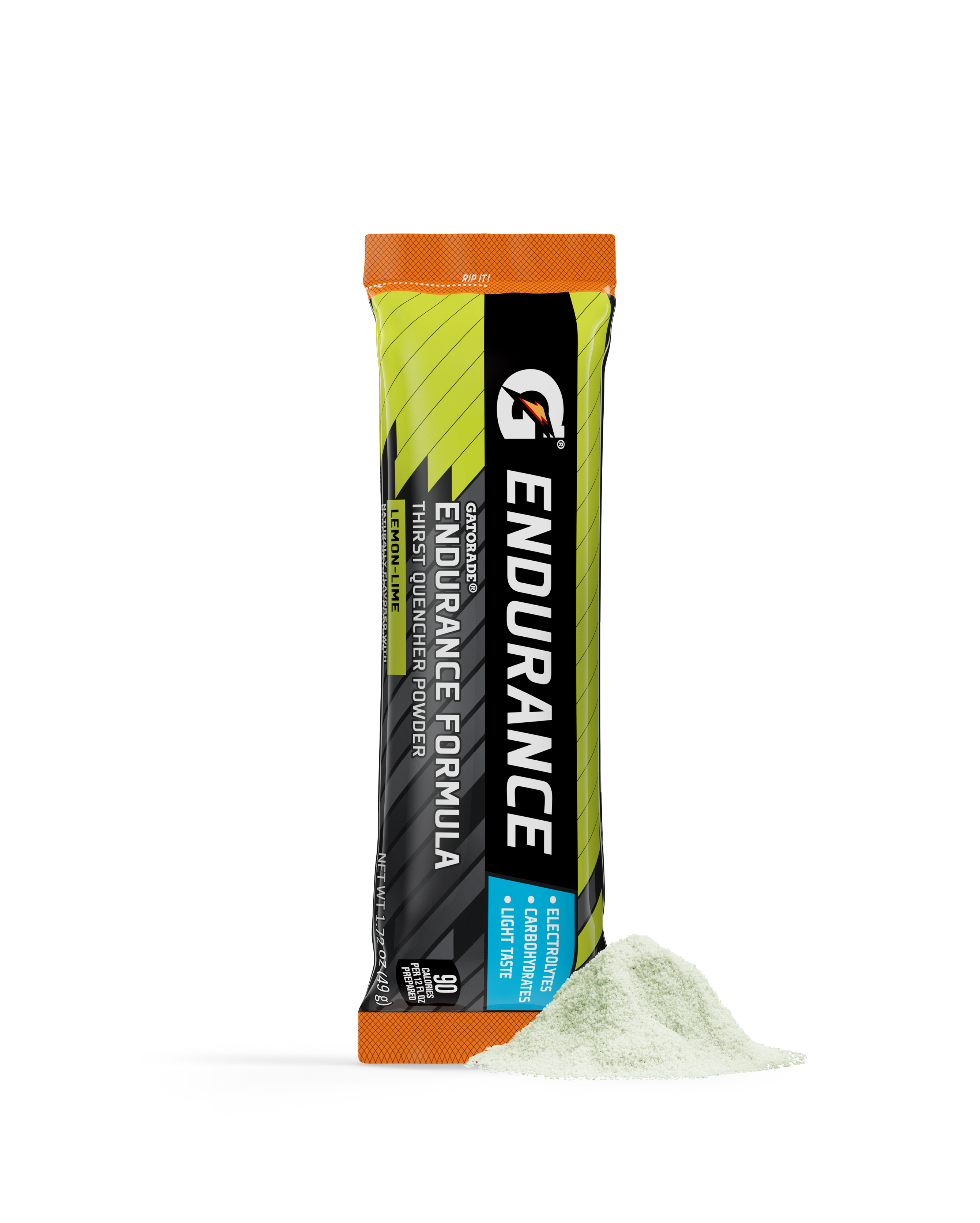
- For home or training room
- Refuel with carbs and electrolytes
- Ideal for endurance athletes
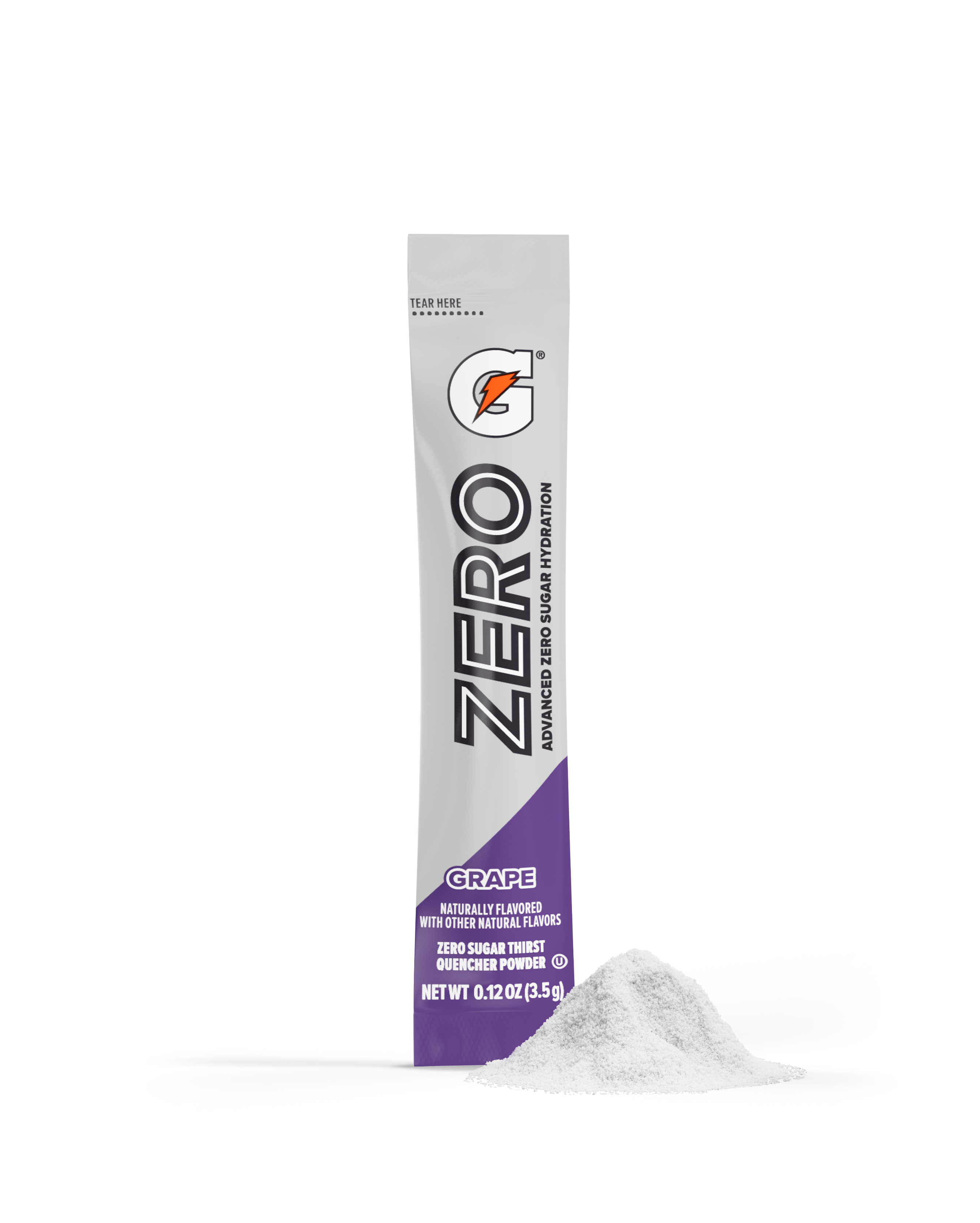
- On the go hydration
- 1 packet makes 15oz
- Electrolytes to rehydrate, zero sugar
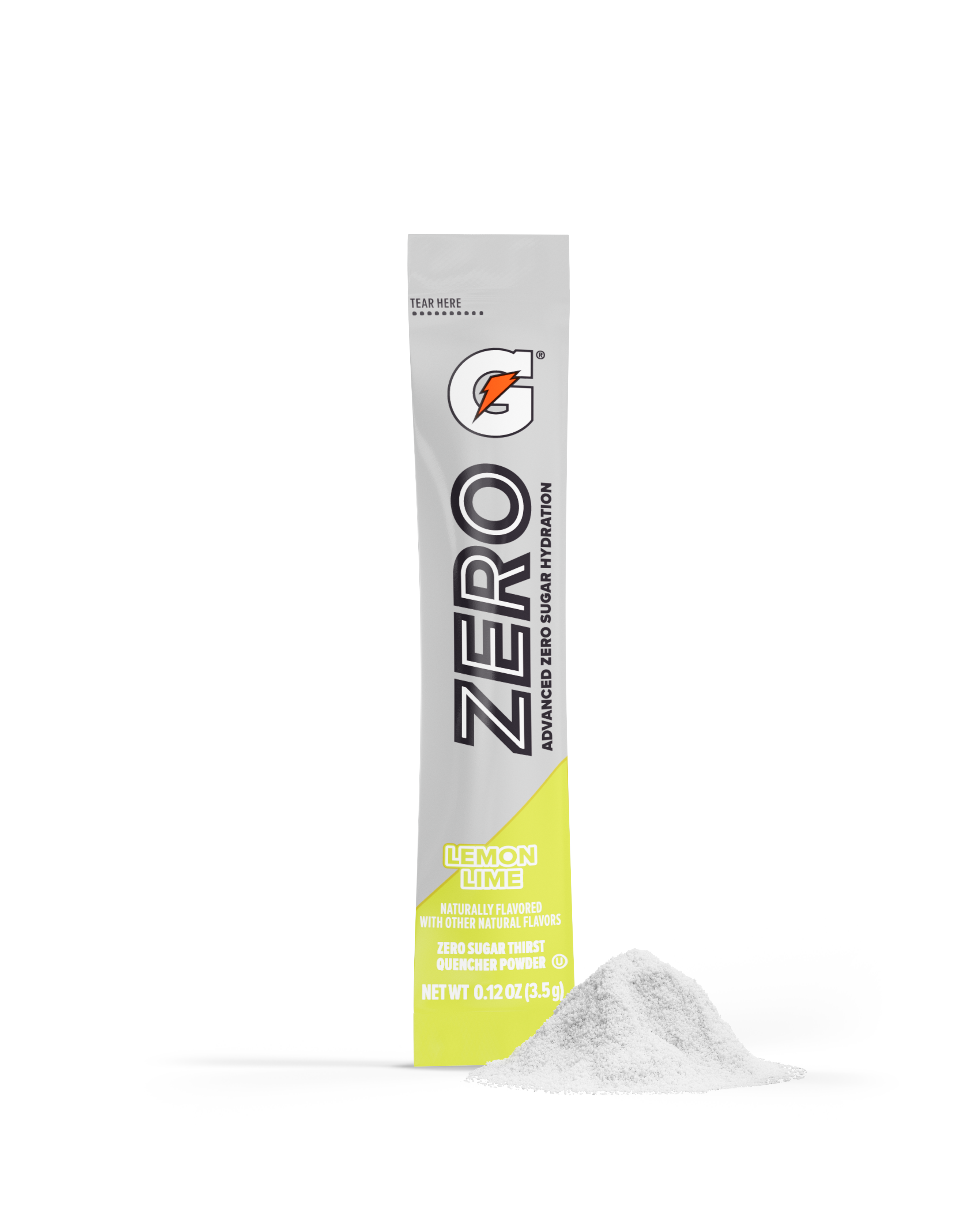
- On the go hydration
- 1 packet makes 15oz
- Electrolytes to rehydrate, zero sugar