
Hydration, Performance, Parents
Youth Athletes: How Hydration Impacts Health, Learning & Performance
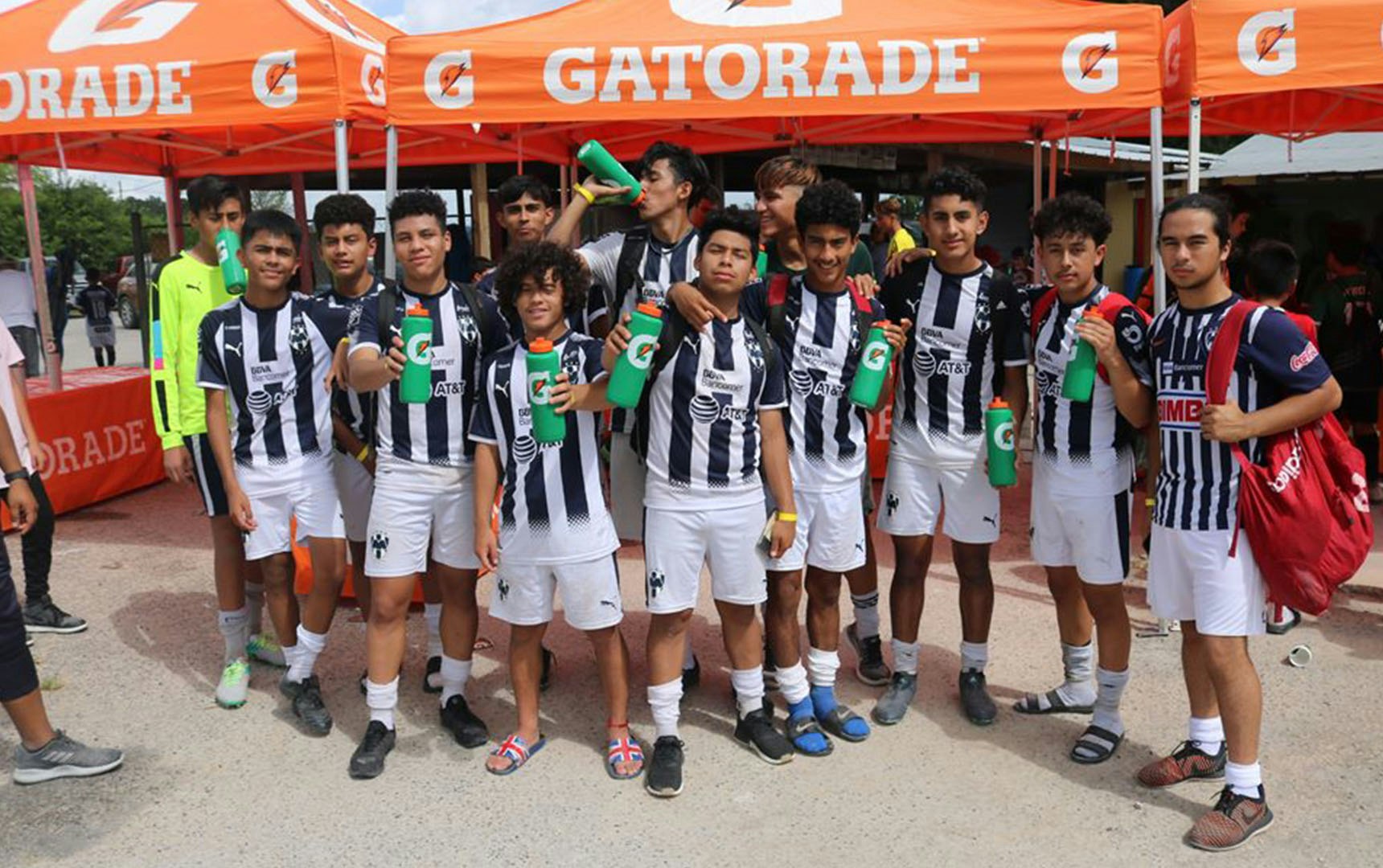
When we think about hydration in youth sports, it’s easy to zoom in on the obvious: performance. Run faster. Play harder. Recover quicker. But the truth is, staying hydrated does way more than just help kids power through a game or practice.
Hydration plays a role in just about every aspect of a young athlete’s life—from brainpower in the classroom, to staying safe in the heat, to laying the groundwork for long-term health. It’s not just about what’s happening today—it’s about setting up habits that fuel success for years to come.
Let’s break it down.
Hydration Supports the Brain—And the Books
Ever tried to focus on a math test or sit through class with a dull headache or mental fog? Chances are, you weren’t hydrated enough.
Even mild dehydration can slow down mental processing, zap focus, and reduce alertness. That’s because water plays a vital role in cognitive function. From helping neurons fire efficiently to supporting blood flow to the brain, water is a behind-the-scenes MVP for mental sharpness.
For young athletes juggling school, sports, and social lives, brain function is just as important as muscle function. And here’s the kicker—research shows that drinking water right before a cognitive task can give a noticeable boost in performance. Think quicker decisions on the field and better focus in the classroom.
In a world where academic performance opens doors to opportunities (including athletic scholarships), hydration isn’t just about performance—it's about potential.
Hot Days, High Sweat, and Higher Risk
Let’s talk about sweat. As athletes grow, their ability to sweat ramps up fast. Teen athletes—especially those in late puberty—can lose over 2 liters of fluid per hour during intense activity, particularly in hot or humid environments. That’s a lot of water—and a lot of risk if it’s not replaced.
Dehydration in the heat doesn’t just make athletes slower or more tired. It pushes heart rates higher, stresses the body’s ability to cool down, and makes athletes more vulnerable to heat-related illnesses. Even a 2% drop in body weight from water loss can impact performance, increase perceived effort, and limit heat tolerance.
Now add in layers like helmets, pads, or dark uniforms, and it gets even tougher for the body to cool itself. Without an individualized pre-, during-, and recovery-hydration plan, the risk multiplies. Hydration isn’t just a performance strategy—it’s a safety protocol.
Hydration Habits that Go the Distance
Here’s something every coach, parent, and athlete should know: the habits we build as kids often stick with us for life.
That means developing good hydration habits in youth sports can have a lasting ripple effect. It’s not just about staying hydrated in-season—it’s about learning to listen to your body, recognize signs of thirst or fatigue, and respond early to stay at your best.
Why does this matter long-term? Emerging research suggests that habitual hydration is a healthy habit.. While we still need more studies that track hydration across a full lifespan, the early signs are promising: being well-hydrated consistently could contribute to healthier outcomes later in life.
The earlier young athletes understand this connection, the better their odds of carrying those behaviors into adulthood—long after their playing days are over.
Who’s in Charge of Hydration? (Hint: It’s a Team Effort)
Hydration habits start with guidance, but eventually, they need to become personal.
Yes, parents, coaches, and trainers have a massive role in modeling and encouraging smart hydration. Coaches, in particular, can make a big impact by building water breaks into practices, offering fluids during games, and praising hydration just like they would hustle or teamwork.
But as young athletes grow, they need to develop hydration autonomy—learning to recognize when they need fluids, how much they need, and how to adjust based on training intensity, heat, or even how they’re feeling. That kind of self-awareness builds both resilience and confidence—on the field and in life.
And while wearable hydration tech and fancy apps are popping up everywhere, you don’t need high-tech gear to stay on track. Two easy gold standards still work:
Weighing before and after training to estimate sweat loss.
Checking first-morning urine color (pale yellow is the goal!).
Sometimes the simplest tools are the most reliable.
Hydration Isn’t One-Size-Fits-All
Every athlete is different—body size, sport, climate, even genetics can affect how much water someone needs. That’s why blanket hydration advice (like “drink 8 glasses a day”) doesn’t work for youth athletes or adults.
Instead, focus on tuning into personal needs. A soccer player doing two-a-days in the summer needs a different hydration plan than a figure skater training indoors. Encourage young athletes to track what works, notice how they feel when they’re hydrated vs. not, and adjust as needed. Empowerment is the goal.
Hydration Is a Foundation, Not a Footnote
Hydration isn’t just a performance booster—it’s a long-term investment in health, safety, and success. From sharper thinking to faster recovery, it underpins everything young athletes are working toward.
Building those habits early matters. And while water is essential, sometimes athletes need more—especially in the heat or after heavy sweat loss. Gatorade Rookie bottles make daily hydration simple, while Gatorade Tablets and Gatorlyte Powder offer convenient electrolyte support when the demands are higher.
Whether it’s school, sports, or both, staying hydrated helps young athletes show up at their best—every single day.
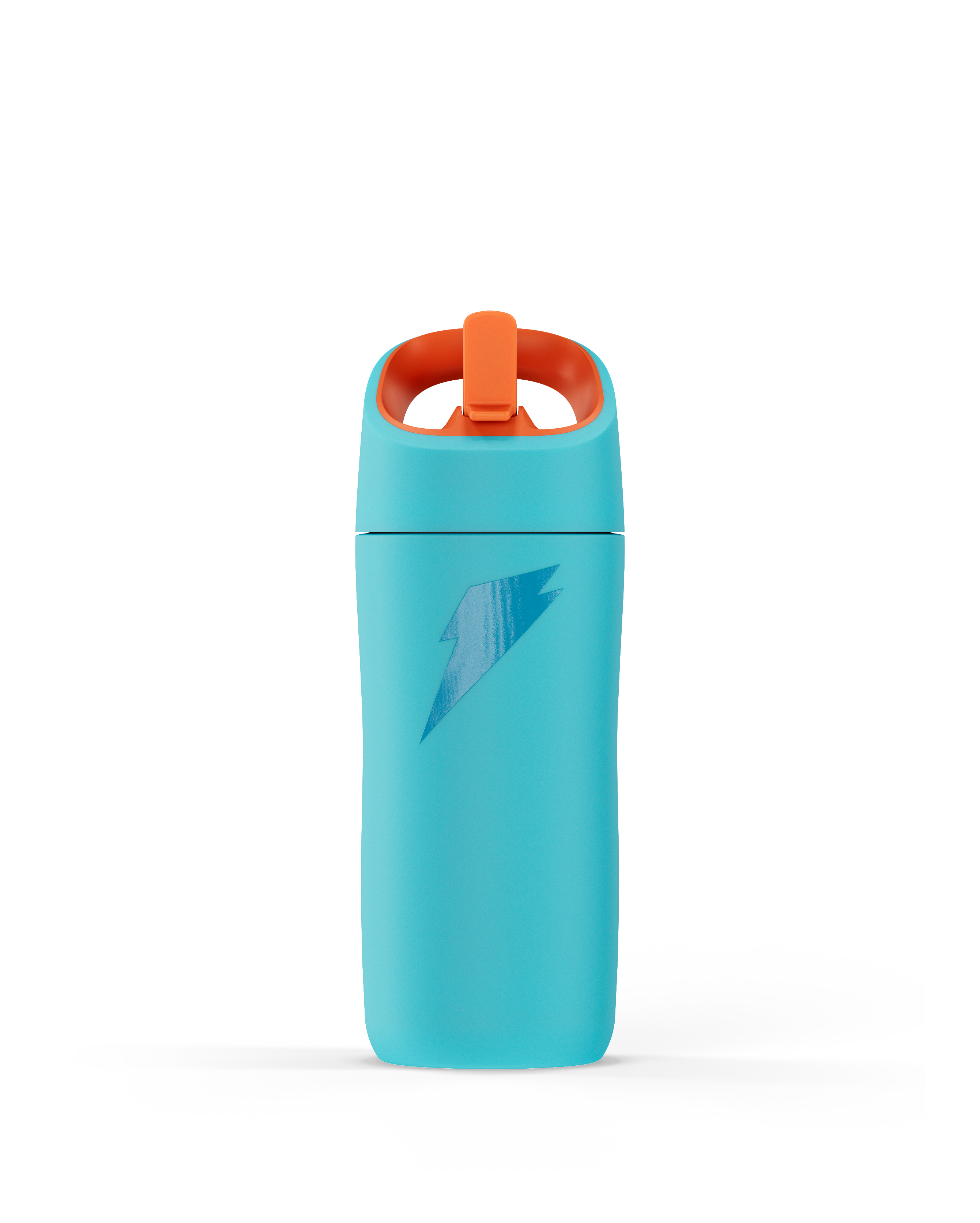
- BPA-free 12oz Rookie Stainless Steel Bottle, with a leak-proof flip straw and comfort grip handle.
- Designed for kids 3+. Choking Hazard: Small Parts. Not for use by children under 3 years
- Dent Resistant: 18/8 stainless steel protected by a durable, outer shell (TPE material)
- Easy-Flow Straw Cap: Flip-up straw spout makes hydrating easy while being leak-proof and spill-proof when closed
- 24+ Hour insulation: Double-walled insulation keeps the outside dry & drinks cold for hours
- Personalized I.D. Badge: Space to write your name & make it your own
- Top-rack dishwasher safe, straw brush included, odor and stain-resistant
Gatorade Sports Science Institute