
Women's sports, Recovery, Performance
How Much Protein Do Female Athletes Need? A Practical Guide
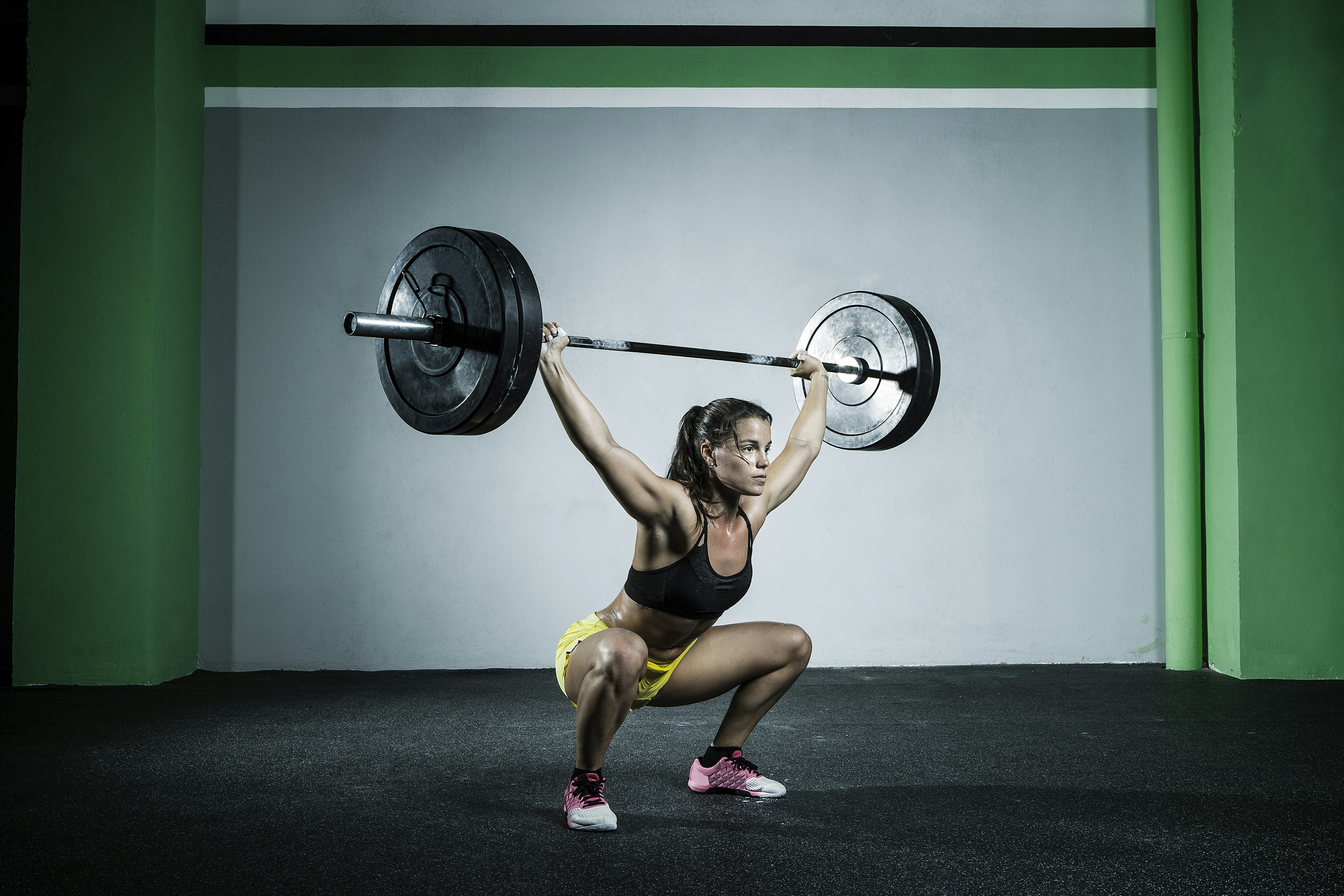
Key Takeaways
Female athletes should consume 1.4 to 1.6 g/kg/day of protein.
Increase intake up to 2.2 g/kg/day during heavy training or energy restriction.
Aim for ~0.31 g/kg per meal every 3 to 4 hours.
Protein needs do not meaningfully change across the menstrual cycle or with oral contraceptive use.
Aging-related muscle loss is driven primarily by aging, not estrogen decline.
Plant-based athletes can meet protein needs with adequate total intake and variety.
Every training session stresses muscle tissue. Adaptation happens during recovery - and protein drives that process.
Protein supplies essential amino acids that rebuild skeletal muscle after exercise. When muscle protein synthesis exceeds muscle protein breakdown, athletes gain strength, preserve lean mass and improve resilience.
While muscle biology is similar between sexes, female athletes often wonder whether hormones significantly change protein needs.
Current evidence suggests they do not - at least not in a meaningful way.
How Muscle Protein Synthesis Works
Your muscles are always in a cycle of breakdown and rebuilding.
Muscle protein synthesis is the building process.
Muscle protein breakdown is the breakdown process.
When building outpaces breakdown, you gain or maintain muscle.
Strength training is the main trigger that tells your body to build muscle. Protein helps that process by supplying essential amino acids — especially leucine — which acts like an “on switch” for muscle rebuilding and growth.
After you eat protein, muscle building rises and then returns to normal within about two hours. That is why spreading protein across the day works better than eating most of it at once.
How Much Protein Per Meal Do Female Athletes Need?
About 0.31 g/kg per meal (~0.14 g/lb) is enough to fully stimulate muscle building.
Eating more than that in one sitting does not appear to build more muscle at that moment. Instead, the body responds best when protein is spaced out.
Research shows that consuming protein every 3 to 4 hours leads to a stronger overall muscle-building response than eating most of your protein in one large meal.
Practical target: include a meaningful source of protein every 3 to 4 hours throughout the day.
How Much Protein Per Day Do Female Athletes Need?
Total daily intake is what matters most.
For most female athletes, 1.4 to 1.6 g/kg/day (0.6 to 0.7 g/lb/day) supports recovery, strength and performance.
During heavy training or periods of energy restriction, intake above 1.6 and up to 2.2 g/kg/day (0.7 to 1.0 g/lb/day) may help protect lean mass.
Athletes often benefit from the higher end of this range because training increases muscle stress and recovery demands.
Does the Menstrual Cycle Change Protein Needs?
In short: no meaningful changes are required.
Some early research suggested slightly higher protein use during the luteal phase. But the actual difference is only about 3 to 5 grams per day — a very small amount.
More recent studies show:
No meaningful differences in resting metabolic rate across cycle phases
No significant differences in muscle building after resistance training
No evidence supporting routine increases in protein during certain phases
While appetite may increase in the luteal phase, current evidence does not support adjusting protein targets across the menstrual cycle.
Consistency matters more than cycle phase.
Do Oral Contraceptives Affect Protein Requirements?
Current research shows no meaningful differences in muscle protein synthesis between oral contraceptive users and naturally menstruating athletes.
There is no strong evidence that hormonal contraceptive use changes protein needs.
Female athletes using oral contraceptives can follow standard protein recommendations.
What About Menopause and Aging?
Muscle mass and strength tend to decline with age, and menopause is associated with reduced estrogen levels.
However, research shows that age-related muscle loss is primarily driven by aging itself — not estrogen decline alone. Hormone replacement therapy does not prevent muscle loss.
The encouraging news: physically active women are less vulnerable to muscle decline than sedentary women.
Current athletic protein recommendations (around 1.6 g/kg/day) already fall within a range that supports muscle maintenance across life stages.
Protein Needs for Female Athletes During Energy Deficit
Female athletes in endurance, aesthetic or weight-class sports may experience low energy availability, either intentionally or unintentionally.
When energy intake is too low, muscle building is suppressed and lean mass is at greater risk.
During caloric restriction, protein intake above 2.0 g/kg/day may help preserve lean mass. But protein alone is not enough.
Resistance training remains the primary driver of muscle retention.
Bottom Line: Protein supports the process — training drives it.
Can Female Athletes Thrive on Plant-Based Protein?
Yes — if total intake is adequate.
Plant-based proteins can be slightly lower in certain essential amino acids and may be less digestible than animal proteins. But when female athletes eat enough total protein and combine a variety of sources — such as legumes, grains, soy, nuts and seeds — they can fully support muscle adaptation.
Plant-focused athletes may benefit from slightly higher total intake, potentially about 10% above standard targets, to compensate for lower essential amino acid density.
Total daily intake and consistent distribution across meals remain the most important factors.
Practical Protein Targets for Female Athletes
Target 1.4 to 1.6 g/kg/day under normal training conditions
Increase toward 2.0 to 2.2 g/kg/day during heavy training or energy restriction
Consume ~0.31 g/kg per meal every 3 to 4 hours
No major adjustments are required across the menstrual cycle
Oral contraceptive users can follow standard recommendations
Plant-based athletes should emphasize variety and may require slightly higher intake
Pair adequate protein with resistance training to protect lean mass
Despite hormonal fluctuations and life-stage transitions, protein strategies for female athletes are more consistent than often assumed.
Sufficient total intake, evenly distributed across the day and combined with progressive training, remains the foundation for performance and long-term muscle health.
Gatorade Sports Science Institute
Fuel Muscle Recovery with Quality Protein
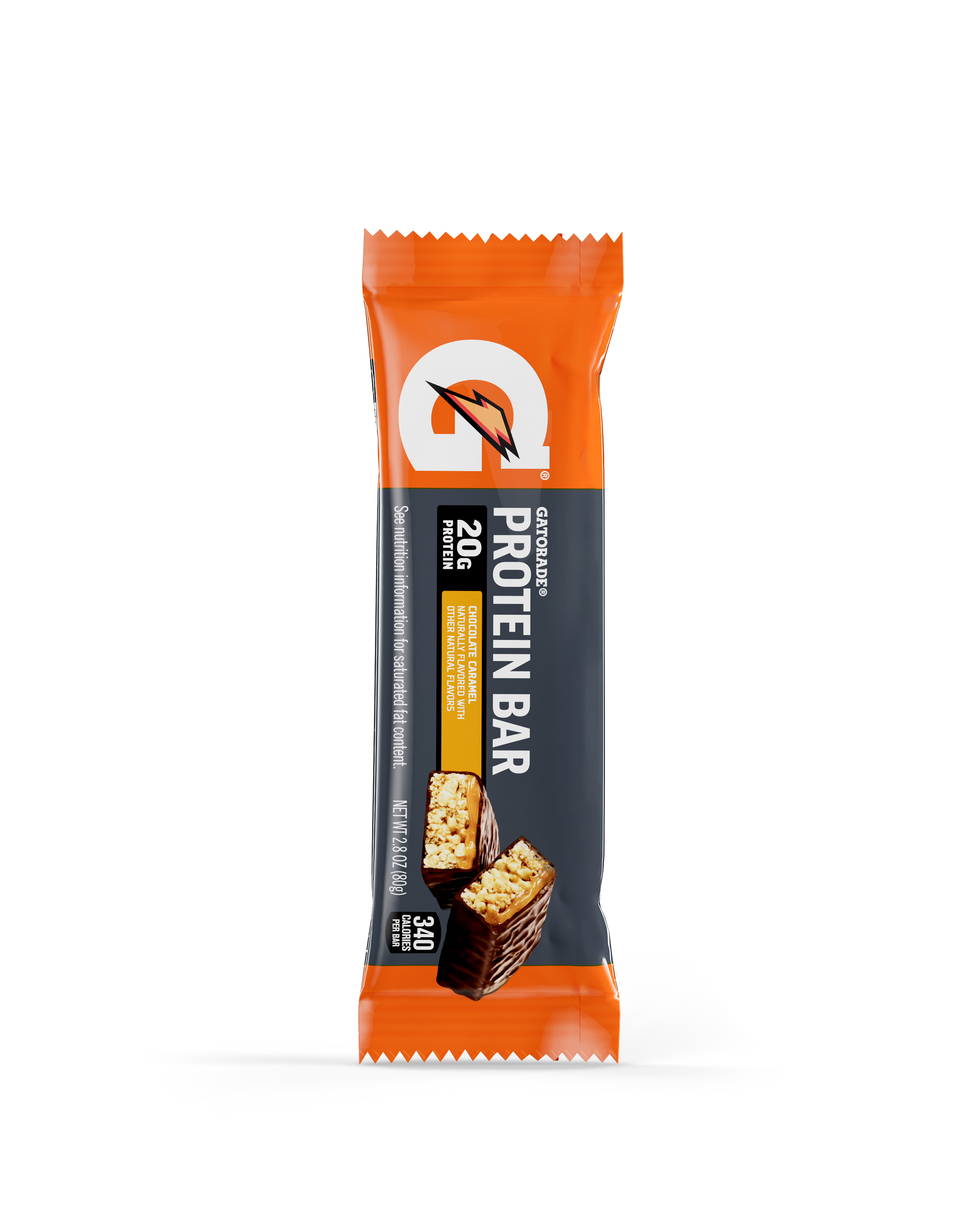
- On the go
- Refuel with carbs
- 20g of whey and milk proteins per serving
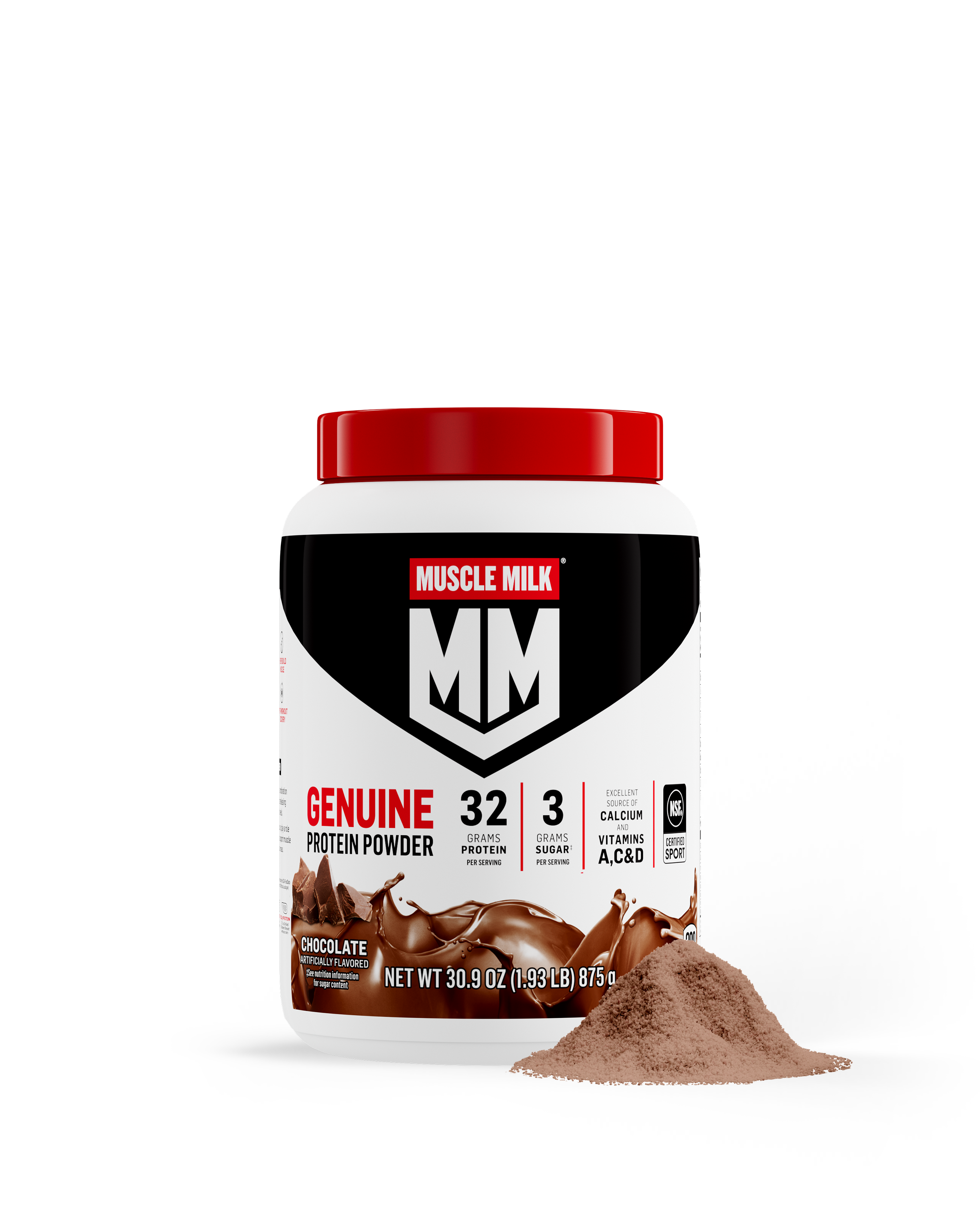
- Home or training room
- Promotes muscle recovery and growth
- 2 scoops makes 8oz
- 32g of whey and milk proteins per serving
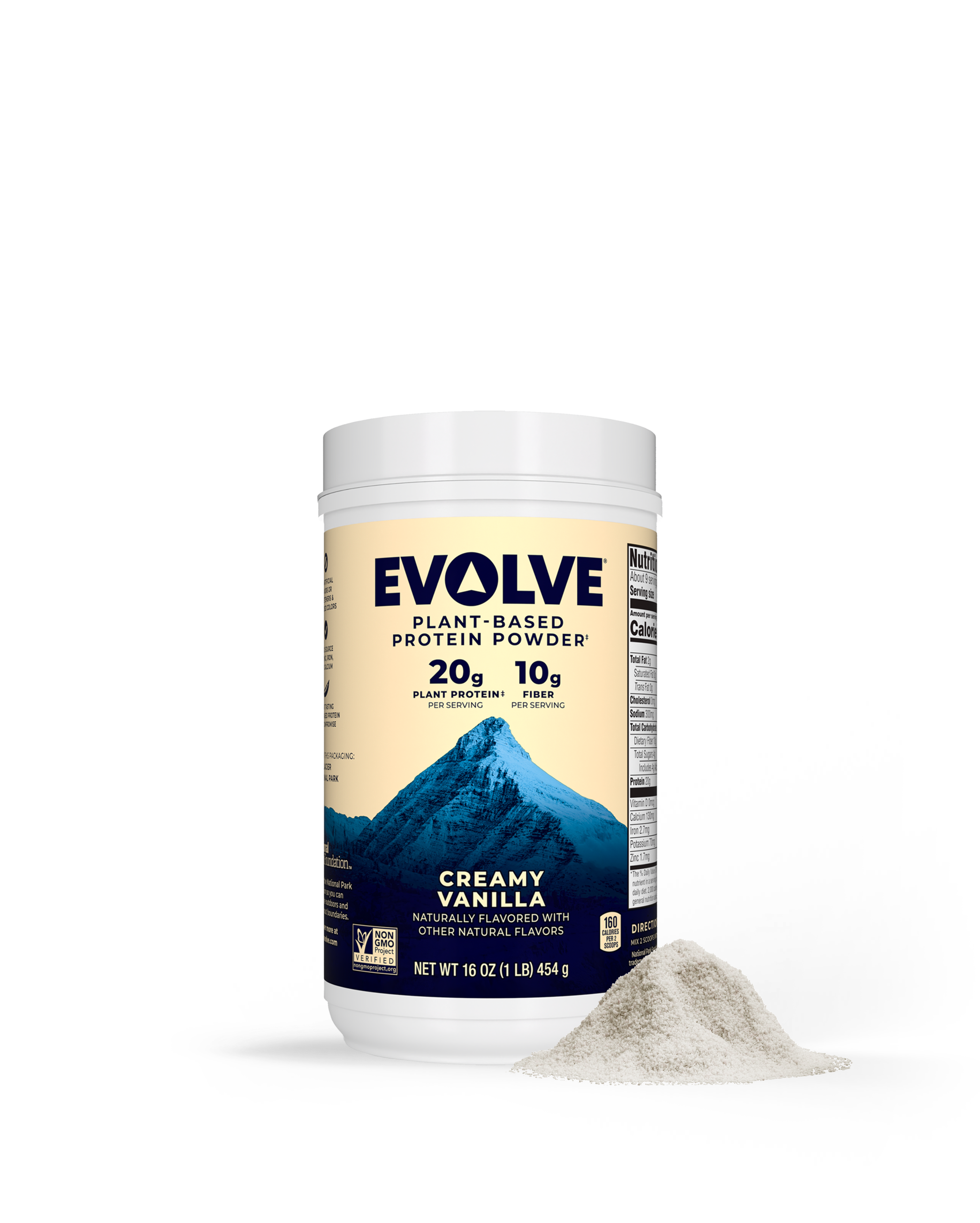
- At home or training room
- Plant-based protein
- 2 scoops makes 8oz
- 20g plant protein per serving
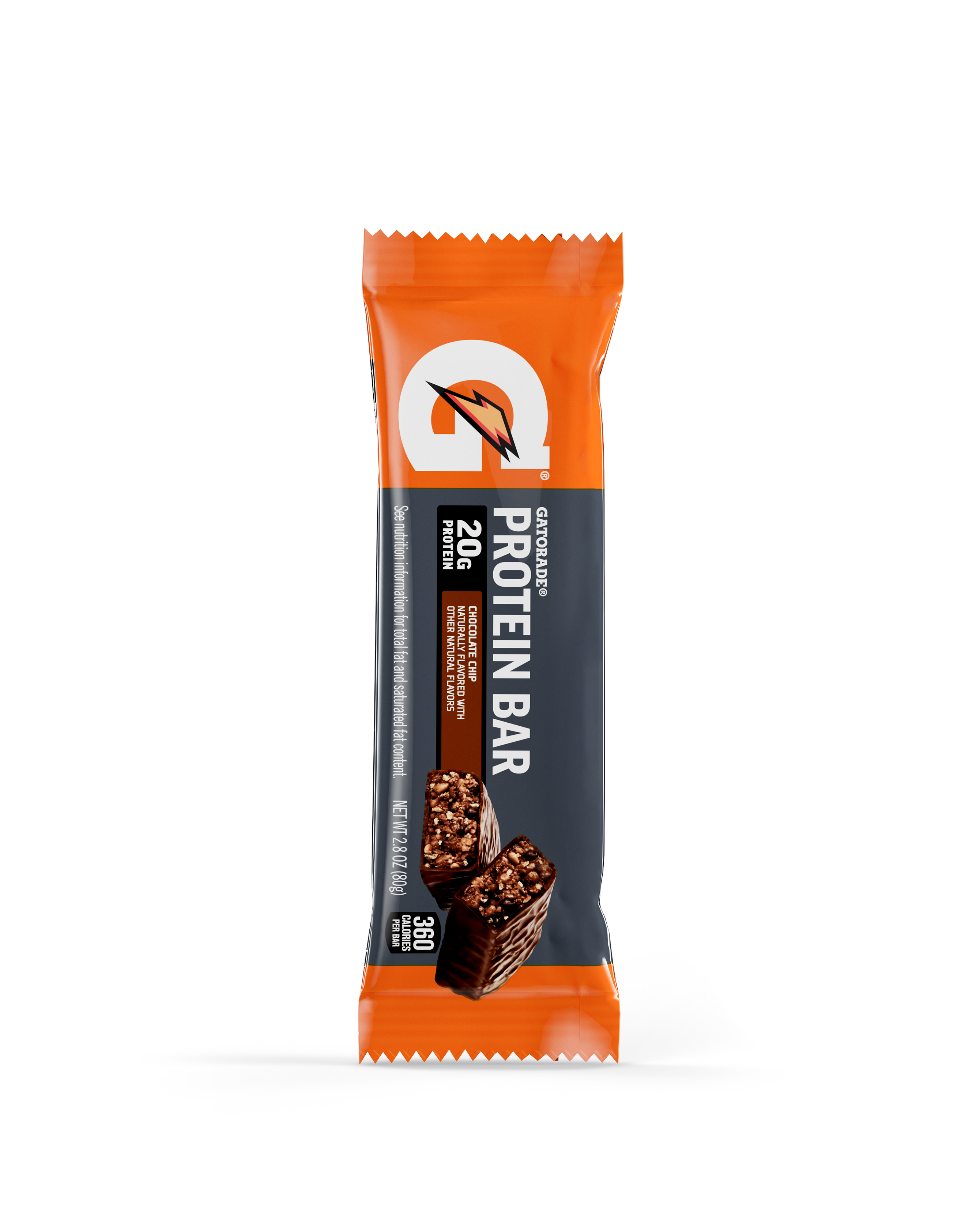
- On the go
- Refuel with carbs
- 20g of whey and milk proteins per serving