
Hydration, Recovery
How Much Water & Sodium Do Athletes Need? Smarter Hydration Guide

When it comes to hydration, the average healthy adult might get by drinking when thirsty. But for athletes and anyone who breaks a sweat for more than an hour at a time on the regular, that’s a risky rule to follow. In 2004, the Institute of Medicine (IOM) released detailed recommendations on water and electrolyte needs and while they provide a solid foundation, they don’t always fit the reality of physically active lives.
The IOM’s Dietary Reference Intakes (DRIs) are based on solid science and aim to guide nutrient intake for general health. But when applied to athletes who are training hard or for long periods of time, those same guidelines can lead to underhydration, sodium depletion, and performance dips. Here’s what you need to know to hydrate smarter.
The Four Key DRI Terms (And Why They Matter)
AI (Adequate Intake): Best estimate when there’s not enough evidence for an RDA.
RDA (Recommended Dietary Allowance): Enough for 97–98% of the population.
EAR (Estimated Average Requirement): Covers 50% of people in a group.
UL (Tolerable Upper Intake Level): Max safe daily amount.
For water, sodium, and potassium, only AIs were set - reflecting how variable needs are, especially for active individuals.
How Much Water Athletes Really Need vs. IOM Guidelines
The IOM recommends an AI of 3.7 L/day for men and 2.7 L/day for women. But if you’re physically active? You could need 2–3 times that amount.
Relying on thirst alone during longer periods of training? Risky move. Behavior, not thirst, drives most of our drinking. And during prolonged exercise, thirst is a poor indicator of hydration needs. By the time you feel thirsty, you’re already behind.
Instead, monitor weight changes after workouts and urine color. For every pound you lost during your workout, you should drink between 20-24 oz of fluid to replace those losses. Seeing dark yellow urine? You’re likely dehydrated and need to drink more fluids throughout the day.
Why Athletes Need More Sodium Than the Average Person
While most sedentary people get far more sodium than they need, athletes are a different story. Sodium losses through sweat can be substantial and vary significantly by individual.
Example:
Damien, a football player in August, loses nearly 4,000 mg sodium just through his sweat daily, this doesn’t include his general needs for sodium.
The IOM’s general AI? Just 1,500 mg.
That gap matters. Athletes training in heat or for long durations need to add salt to food and/or use sports drinks with sodium, not just water. Why? Because large volumes of plain water without sodium can lead to hyponatremia, a dangerous drop in blood sodium.
Potassium for Hydration and Recovery: Key Foods for Athletes
The IOM’s AI for potassium is 4.7 mg/day, with most Americans falling short. Sweat losses are generally low (under 400 mg/hour), but they can add up. Eating potassium-rich foods like bananas, potatoes, and leafy greens helps replenish what you lose and supports long-term health.
Sulfate: Why It’s Rarely a Concern
Unless you’re protein-deficient (rare for athletes), sulfate intake isn’t something to worry about. Most people get enough through protein-rich foods and beverages.
Takeaways for Active People:
Thirst is a late signal - drink regularly, especially before, during, and after exercise.
Track your weight pre/post workout to estimate sweat losses.
Heavy sweating raises sodium needs - the Gatorade Gx Patch can help you better understand your personal losses here.
Eat potassium-rich foods to support hydration, and recovery.
When Sports Drinks Beat Water for Hydration
Water alone may not cut it during long or intense workouts. Sports drinks with at least 100 mg sodium per 8 oz help keep you drinking and replacing both fluid and electrolytes effectively. Gatorade, formulated with sodium and carbohydrates, can be a good choice when workouts last more than an hour or happen in hot, humid conditions.
Gatorade Sports Science Institute
Replace What You Lose with Gatorade
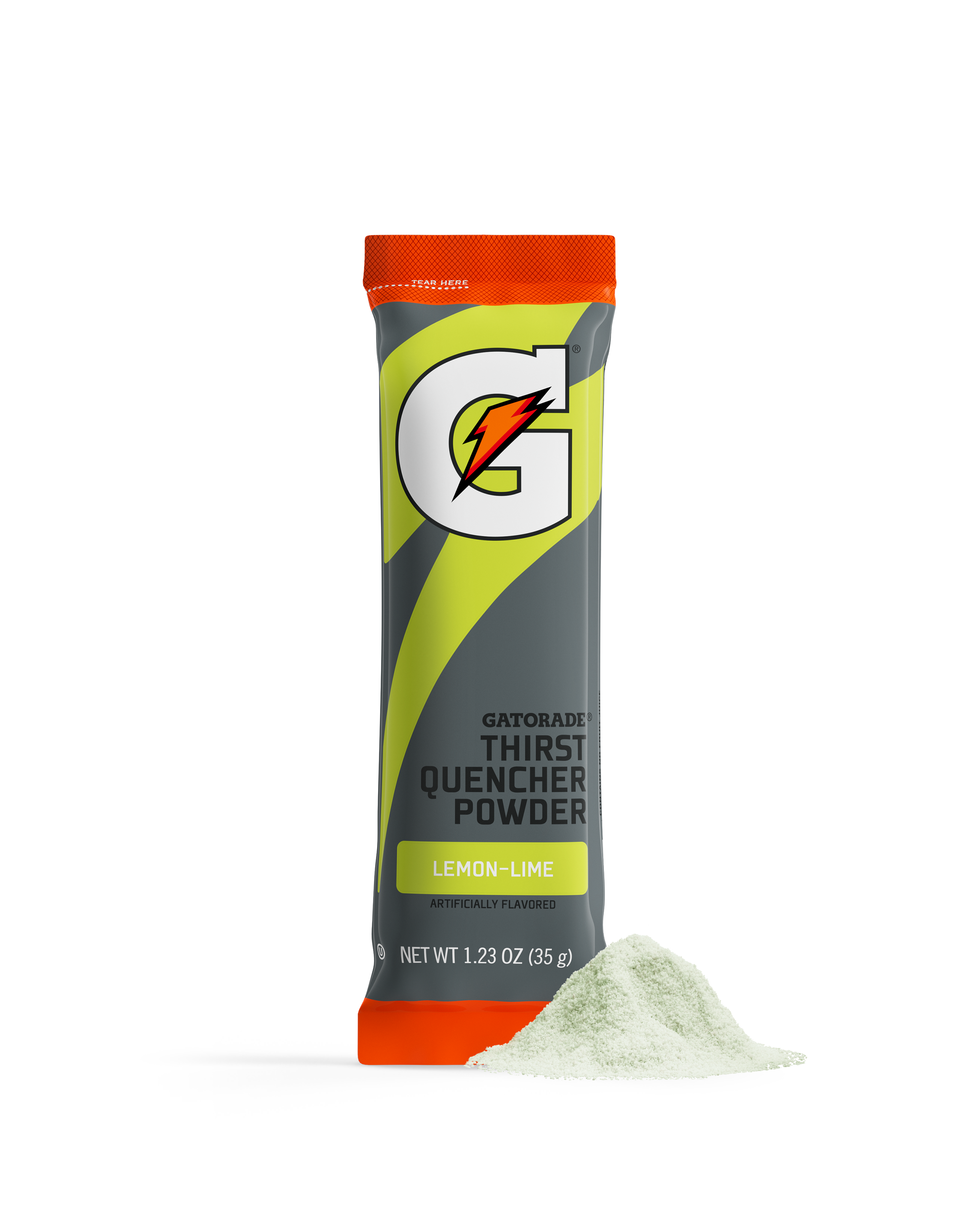
- On the go hydration
- 1 packet makes 15oz
- Electrolytes to rehydrate, carbs to refuel
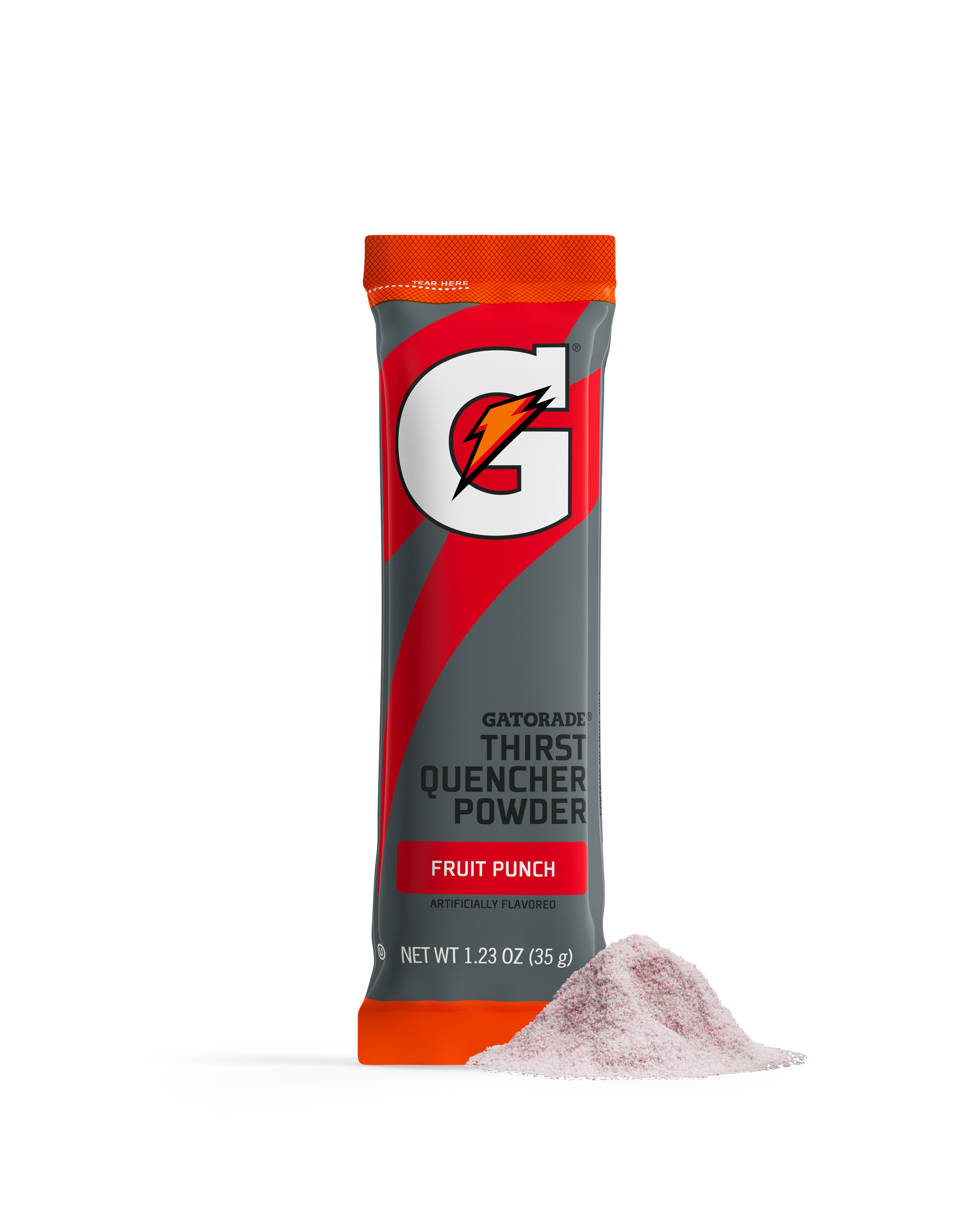
- On the go hydration
- 1 packet makes 15oz
- Electrolytes to rehydrate, carbs to refuel
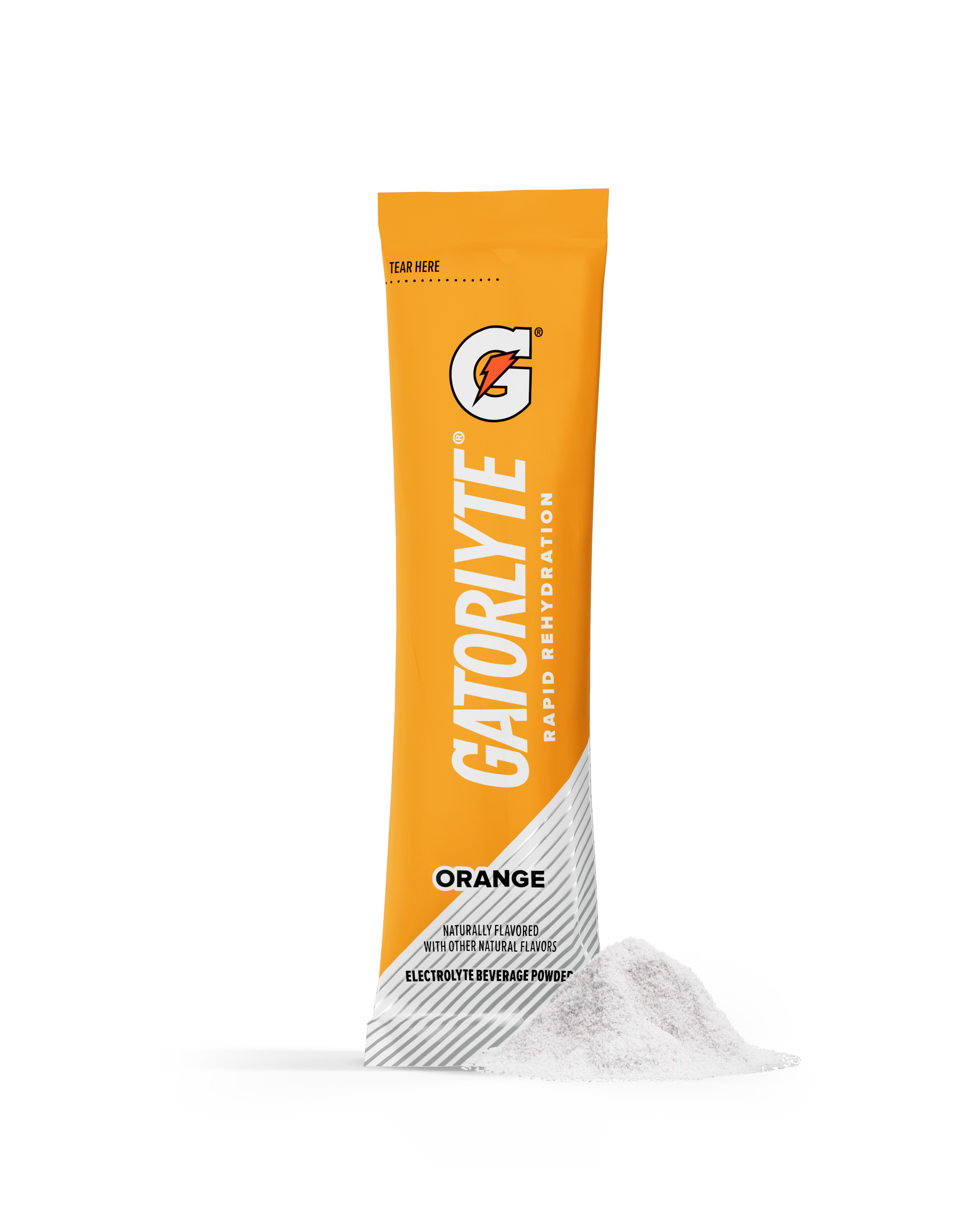
- On the go
- Rapid rehydration
- 20oz ready-to-drink bottle
- Made with a 5-electrolyte blend
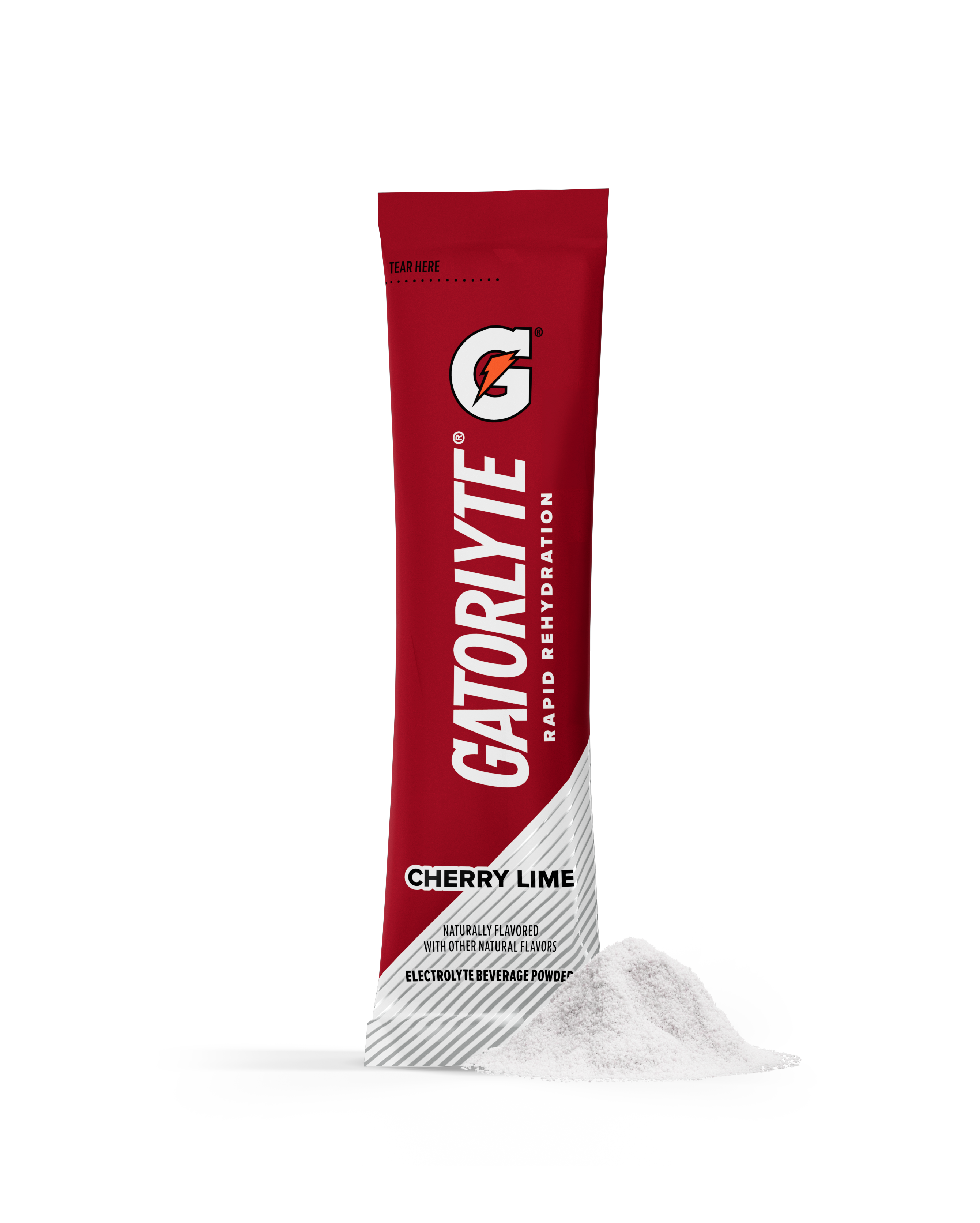
- On the go
- Rapid rehydration
- 20oz ready-to-drink bottle
- Made with a 5-electrolyte blend