
Performance, Hydration, Recovery
How Para-Sport Athletes Can Manage Heat Stress
High core temperatures can occur even in indoor, climate-controlled venues.
Heat risk increases with higher and more complete spinal cord injuries.
Cooling works best when strategies are combined before and during competition.
Ice slurries help limit heat build-up but are not a rapid fix once overheating occurs.
Heat acclimation can improve tolerance but must be closely monitored.
Hydration needs are individual; too much fluid can be as risky as too little.
Proactive heat management is essential for both safety and performance.
When the temperature rises, every athlete has to manage body temperature. But for para-sport athletes with spinal cord injuries (SCI), heat builds faster and escapes slower. That combination can push body temperature into a dangerous zone far more quickly than many people realize.
This risk is not limited to outdoor competition. Even in indoor, climate-controlled arenas, athletes with SCI have reached core body temperatures above 39.5 °C during game play. In outdoor endurance events like paratriathlon, core temperatures above 40 °C have been reported.
The reason is simple. The systems that normally help the body cool itself do not work the same way after a spinal cord injury. Understanding those differences is key to protecting health and sustaining performance.
How Spinal Cord Injury Changes Heat Control
The body relies on sweating and blood flow to the skin to release heat. In athletes with SCI, those signals are often disrupted below the level of injury.
Higher and more complete injuries along the spinal cord lead to:
Reduced or absent sweating in large areas of the body
Limited ability to increase skin blood flow
Less feedback to the brain about rising body temperature
As a result, heat can build up without the athlete feeling it. At the same time, paralysis limits muscle pumping in the legs, which reduces blood return to the heart. This lowers cardiac output and restricts how much heat the body can move to the skin.
Athletes with higher-level injuries along the spinal cord often have lower maximum heart rates and smaller aerobic capacity. Together, these factors mean the body produces heat during exercise but struggles to get rid of it.
Why Wheelchair Sports Add to the Heat Load
Wheelchair sports place unique demands on thermoregulation. Many involve repeated high-intensity efforts with limited recovery. Prolonged sitting reduces airflow around the body, trapping heat near the skin.
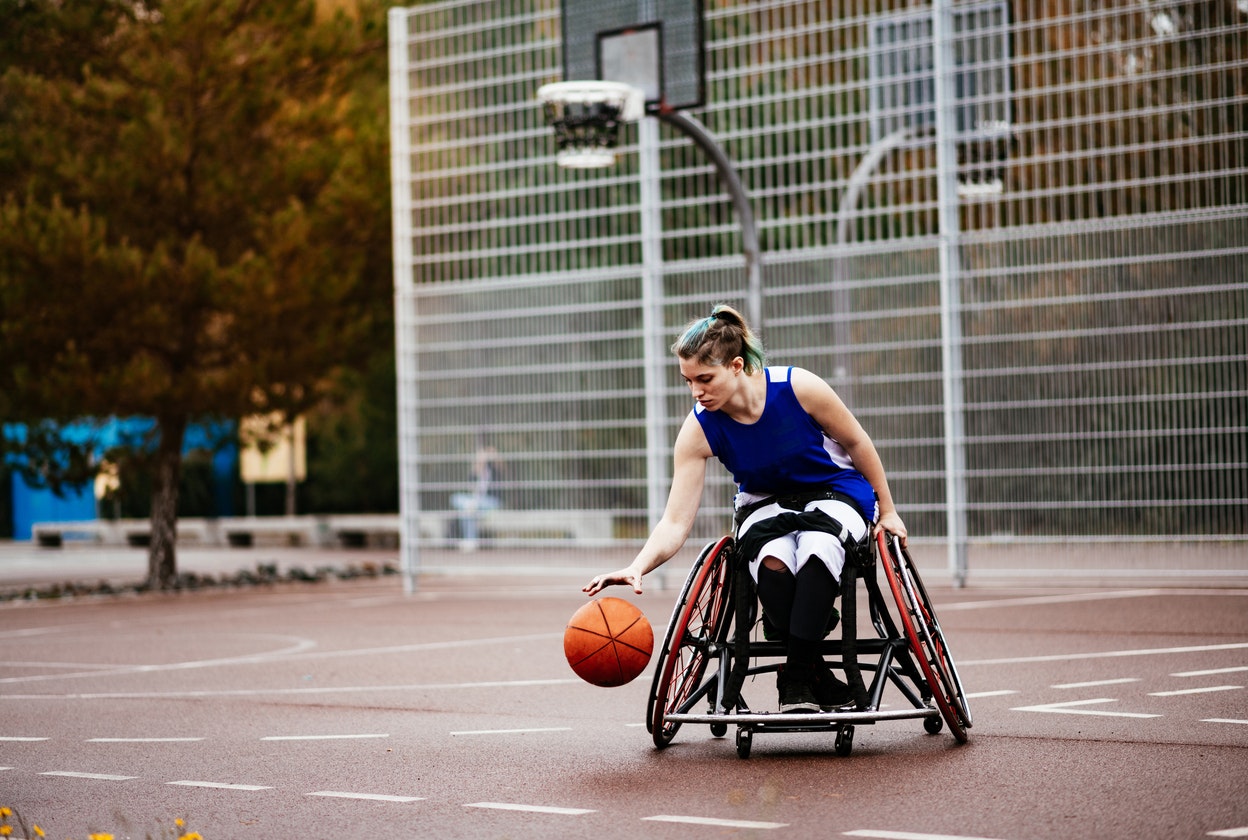
In sports like wheelchair rugby and basketball, athletes have reached very high core temperatures despite competing indoors. Players with SCI often experience more heat strain than teammates without SCI, even when they move slower or cover less distance.
Outdoor events increase the challenge. Wheelchair racing, tennis, and paratriathlon expose athletes to direct sun, high air temperatures, and humidity. Endurance formats raise risk further by requiring athletes to hold high effort levels for long periods.
Equipment can also matter. In paratriathlon, wetsuits have been linked to higher core temperatures during the swim, particularly in warm water.
Cooling Strategies That Make a Real Difference
Because natural cooling is limited, external strategies become essential. Cooling works best when methods are combined rather than used alone.
External cooling approaches include:
Hand or foot cooling
Ice vests worn before competition
Water sprays paired with portable fans
Water sprays and fans are especially useful. Together, they help mimic sweating by increasing evaporation, which many athletes with SCI cannot rely on naturally.
Internal cooling, such as ice slurry ingestion, can also lower body temperature. When used before exercise or during breaks, ice slurries have reduced core temperature by about 0.5 °C. However, they work best to slow heat build-up rather than rapidly cool an overheated athlete.
The biggest gains come from mixing strategies. Pre-cooling before competition and adding cooling during breaks leads to greater temperature control than either approach alone.
Using Heat Exposure to Build Tolerance
Repeated exposure to heat can help the body cope better during competition. Heat acclimation and acclimatization remain some of the most effective tools for reducing thermal strain.
In para-athletes, structured heat exposure has led to:
Lower core temperatures during exercise
Increased plasma volume
Improved tolerance to hot conditions
These benefits depend on injury level. Athletes with limited sweating will not adapt the same way as able-bodied athletes, and some may not sense heat stress accurately. That makes close monitoring essential during heat training.
Heart rate alone is often not enough, especially for athletes with blunted cardiovascular responses. A combination of temperature monitoring, planned rest, and conservative progression is key.
Hydration Is More Complicated Than It Looks
Hydration in athletes with SCI is not straightforward. Sweat losses are often lower, thirst is reduced, and fluid shifts in the body are altered.
Some athletes, particularly those with higher-level injuries, drink large volumes during exercise. When sweat loss is low, this can lead to weight gain during training or competition and increase the risk of low blood sodium levels.
Medications commonly used by para-athletes can further complicate fluid balance by reducing sweating or increasing urine output.
The goal is steady intake, not aggressive drinking. Frequent, small sips of cool fluid help manage thermal comfort without overwhelming the system.
What This Means for Para-Sport Athletes and Coaches
Heat management for para-sport athletes with SCI must be proactive and individualized. Waiting for signs of distress is often too late, especially when heat sensation is impaired.
Effective strategies include:
Educating athletes and staff on early signs of heat strain
Monitoring body temperature and physiological responses during training
Adjusting intensity, rest, and cooling based on conditions
Using adaptive equipment that improves airflow and ventilation
Building personalized hydration plans that match sweat loss and injury level
Bottom Line
For athletes with spinal cord injuries, heat is a constant performance and safety challenge. Impaired sweating and blood flow allow body temperature to rise faster and stay elevated longer, even in indoor settings.
The most effective approach combines smart preparation, targeted cooling, and individualized hydration strategies. When heat is managed well, athletes can train harder, compete longer, and stay safer — no matter the environment.
Gatorade Sports Science Institute