
Hydration, Recovery, Parents
How to Develop Youth Athletes with Smarter & Healthier Training

We all know youth sports can be life-changing. From building fitness and confidence to teaching teamwork and grit, the benefits are undeniable. But behind the highlight reels and championship dreams, a tougher reality is unfolding: too many kids are pushed too hard, too soon—and it’s costing them their health, happiness, and long-term potential in sport.
So what does healthy youth athlete development really look like?
A major expert consensus from the International Olympic Committee (IOC) and the National Federation of State High School Associations (NFHS) lays it out clearly: we need a new playbook. One that prioritizes fun, skill-building, health, and inclusion over early specialization and endless competition. Here’s how to shift the focus and why it matters.
The Risks of Early Sport Specialization and Overtraining
It’s no secret that youth sports have become more intense. Long practices, travel teams, and year-round competition are now the norm - even for 10-year-olds. But research shows that this early “professionalization” of sport places enormous physical and psychological stress on developing kids.
Physiologically, adolescence is a time of major transition. Energy systems shift. Recovery slows. The body becomes more prone to fatigue and injury, especially when workloads increase faster than the body can adapt. Despite this, older teens are often asked to train harder and recover faster, under the false assumption that maturity equals resilience. In truth, it’s often the opposite.
The result? Rising rates of overuse injuries, burnout, and drop-out from sport.
Why Puberty Increases Injury Risk in Youth Athletes
During puberty, bones grow faster than they mineralize, which makes them temporarily more fragile. This is why stress fractures and other overuse injuries are most common during growth spurts, especially in athletes who train or compete intensely in high-impact sports like soccer, gymnastics, or basketball.
The smartest move? Slow down. Instead of piling on more training during this vulnerable time, coaches and parents should focus on technique, skill refinement, and rest. Doing so doesn’t delay progress - it protects the athlete’s future.
How Heat and Hydration Impact Youth Athlete Recovery
As youth athletes mature, their sweat rate and heat production rise. That means teens, especially those training in hot and humid conditions, face a greater risk of dehydration and heat-related strain.
Without proactive hydration and recovery strategies, repeated hard sessions can create dangerous carry-over effects. Coaches should extend recovery time between bouts, especially in hot weather, and encourage consistent fluid and sodium replacement.
Sport Specialization vs. Sport Sampling: What’s Better for Kids?
It’s tempting to believe that specializing early in one sport gives kids a competitive edge. But the research, and the IOC Consensus, suggests otherwise.
While playing multiple sports may not be the only solution, having diversity in movement and skill exposure (whether across sports or within one) builds stronger, more well-rounded athletes. Sport sampling improves motor development, reduces injury risk, and helps athletes discover what they truly enjoy.
And if a young athlete really loves one sport? That’s fine if the training model supports healthy development, includes adequate rest, and avoids psychological and physical overload. Sport specialization isn’t the enemy. Poorly designed, one-size-fits-all programs are.
Why Readiness Should Guide Youth Athlete Training
Every young athlete develops on a different timeline. That’s why readiness, not age or talent, should drive sport decisions. Coaches and parents must tune into physical, emotional, and motivational signs. Watch for red flags like chronic fatigue, soreness, and performance drops. These are early warnings of overload or injury waiting to happen.
Good youth development programs match the demands of sport to the individual, not the other way around.
How Technology is Shaping Safer Youth Sports
The future of youth sport will be powered by smarter data. Advanced technology - like wearables, video motion analysis, and machine learning - can give coaches and researchers better insights into how athletes grow, respond to training, and recover.
Even more importantly, these tools can help spot injury risk early and support safer training models that evolve with the athlete.
A New Culture for Youth Sports: Health Over Early Wins
We’re starting to see a shift. Both the IOC and NFHS are driving a new culture that values health, inclusivity, and long-term success over short-term wins. This includes:
Encouraging development over early competition
Prioritizing recovery and hydration
Supporting diversity in sport experiences
Listening to the athlete’s needs and readiness
The goal? A generation of youth athletes who stay in the game - healthy, happy, and performing at their best.
Supporting Hydration and Recovery for Growing Athletes
As youth athletes train harder and grow, hydration and recovery become critical. Gatorade Thirst Quencher and G Zero can help support everyday hydration needs, while Gatorlyte is ideal for rapid rehydration in hot or high-sweat conditions. Choosing the right fluids for the right moments is a small but powerful way to help protect growing athletes.
Gatorade Sports Science Institute
Smarter Fluids for Smarter Training
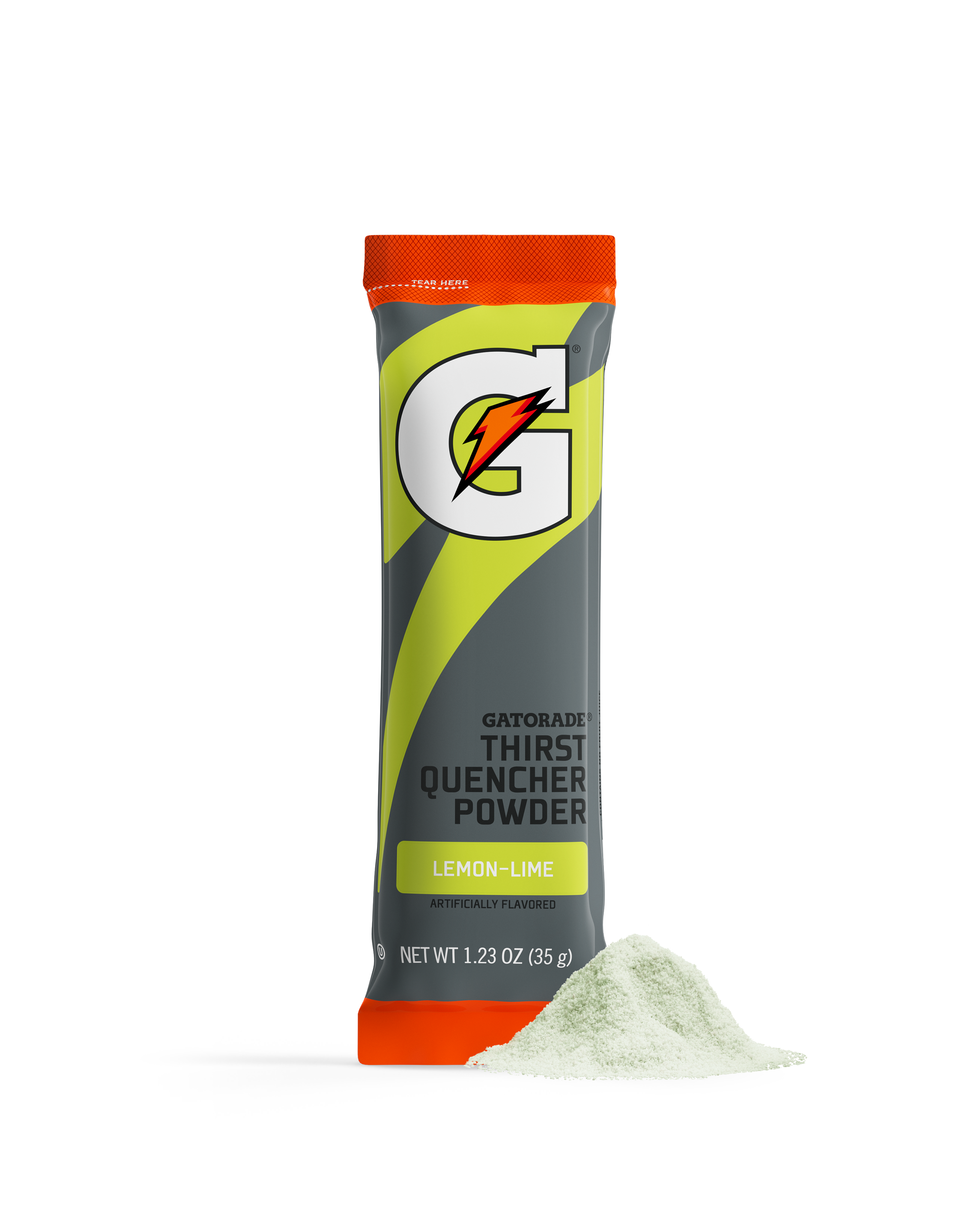
- On the go hydration
- 1 packet makes 15oz
- Electrolytes to rehydrate, carbs to refuel
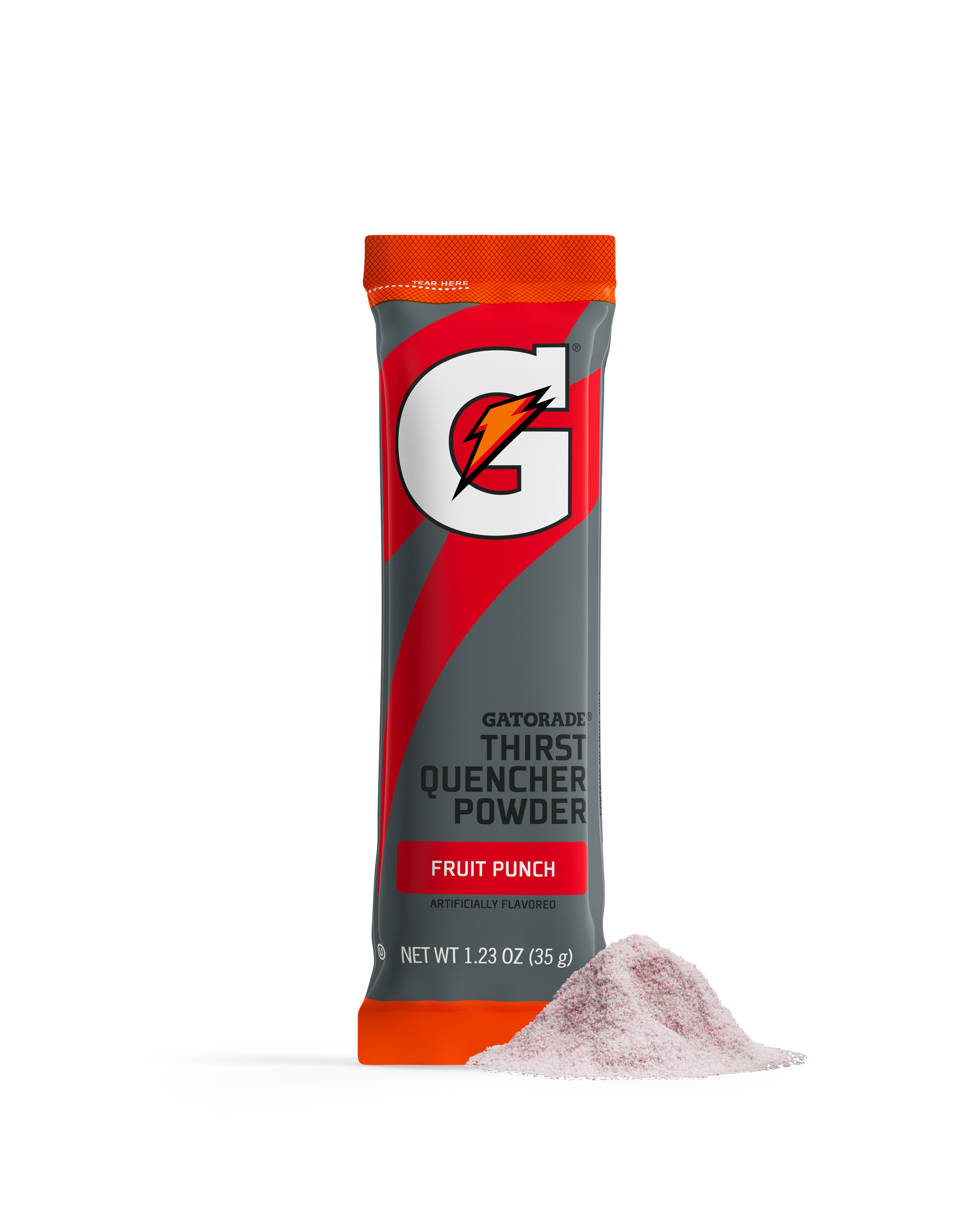
- On the go hydration
- 1 packet makes 15oz
- Electrolytes to rehydrate, carbs to refuel
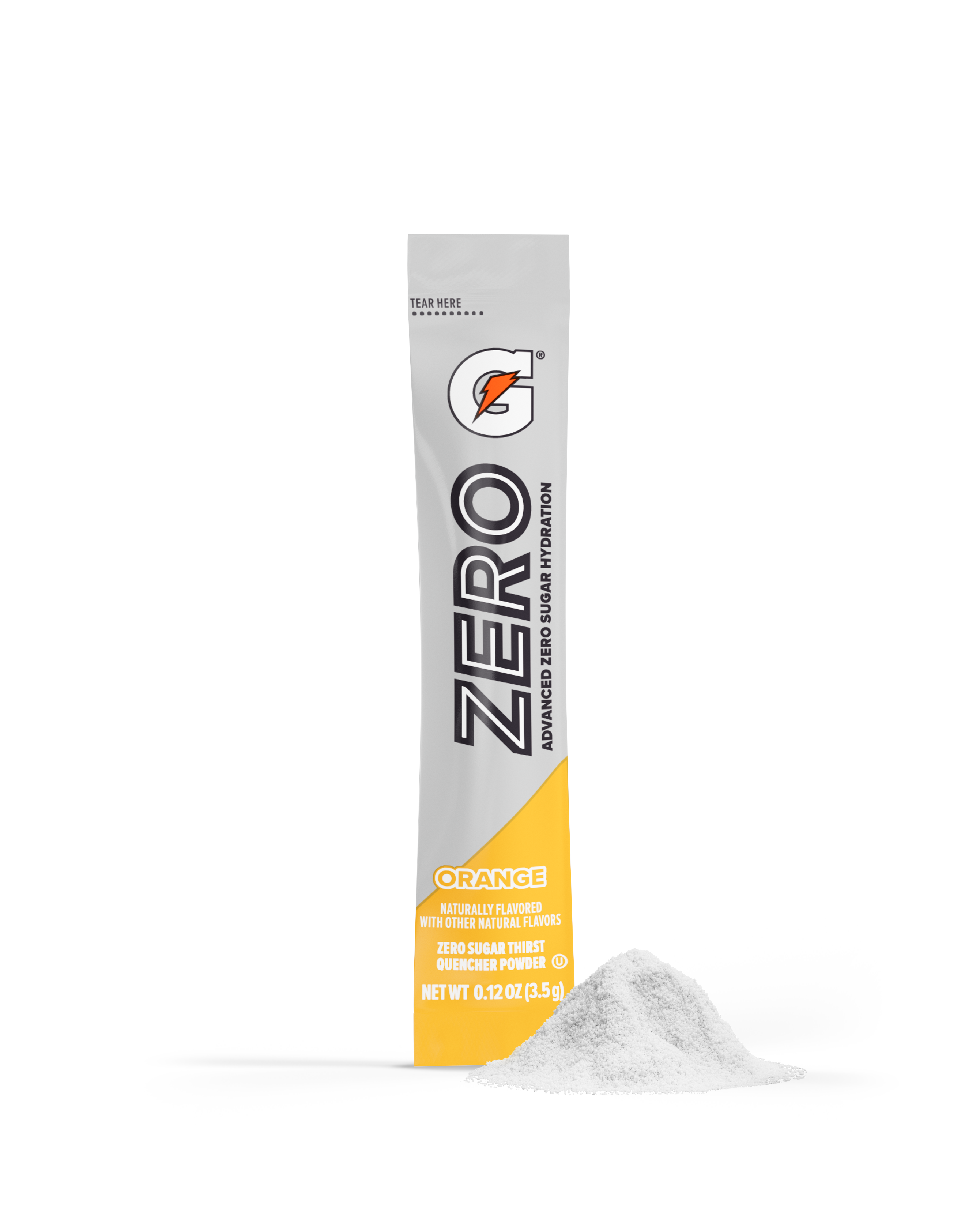
- On the go hydration
- 1 packet makes 15oz
- Electrolytes to rehydrate, zero sugar
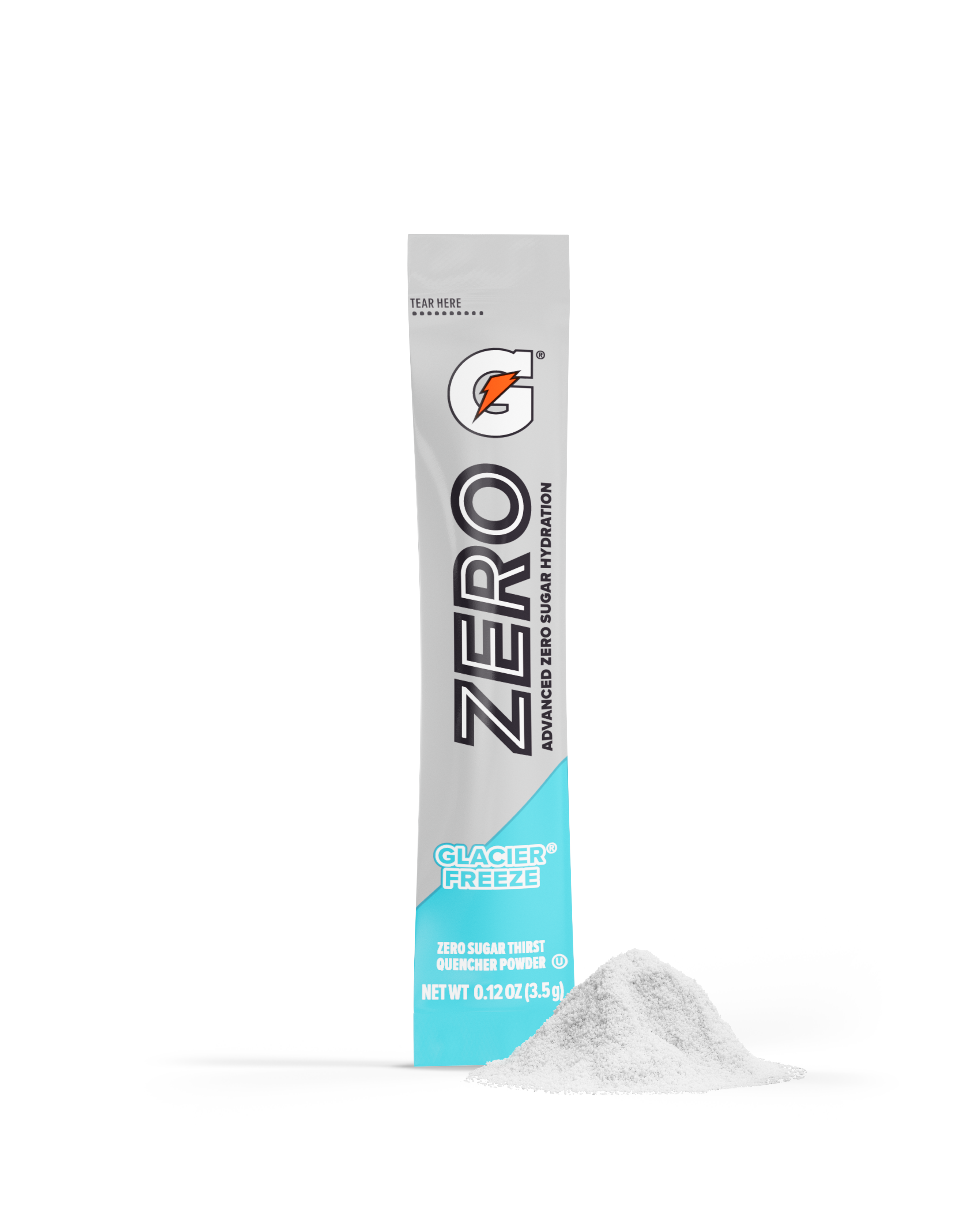
- On the go hydration
- 1 packet makes 15oz
- Electrolytes to rehydrate, zero sugar