Hydration
Hydration Guide for Basketball: Play Strong & Stay Sharp

Basketball is a game of speed, skill, and split-second decisions—and staying hydrated is critical if you want to bring your best from tip-off to final buzzer.
During a typical two-hour practice or game, basketball players lose a lot of water through sweat as their bodies work to regulate heat. If that fluid isn’t replaced, dehydration can set in—which can silently drag down performance before anyone even notices. This isn’t just about feeling thirsty—it’s about slower sprints, missed shots, and reduced focus.
How Dehydration Impacts Basketball Performance
Research shows that even mild dehydration—losing just 2% of your body weight through sweat—can impair aerobic performance, which is key for endurance on the court. While anaerobic tasks like sprinting, jumping, and strength may not drop off as quickly with light dehydration (2–5%), basketball isn’t just a game of power—it’s also a game of skill and decision-making.
A few studies have shown that dehydration above 2–3% can impair:
Shooting accuracy
Lateral quickness and sprint speed
Cognitive focus and vigilance
Postural balance and reaction time
In simulated basketball games, athletes who were just 2% dehydrated shot worse, ran slower, and moved less efficiently compared to when they were well-hydrated. Even if stats don’t always show a significant drop, practical performance losses—like declining energy and concentration in the second half—are very real.
Off-Court Hydration: The Hidden Deficit
A big issue? Many athletes start practice or games already dehydrated.
Studies show that youth and professional basketball players often arrive at training with signs of dehydration based on urine tests. That means they’re playing catch-up from the jump. Interestingly, female athletes—at least in some studies—tend to show better pre-game hydration status, but the trend isn’t consistent.
What causes pregame dehydration? Inadequate fluid intake during the day, poor hydration habits, not replacing fluid losses from the previous days training or competition, or simply not realizing how much fluid is needed to stay hydrated.
On-Court Hydration: Understanding Sweat Loss
Once the game starts, the sweat pours. Sweat rates vary widely, but here’s what researchers found:
Male players lose ~35–54 oz/hour
Female players lose ~23–33 oz/hour
Sweat loss is higher during games than practice
Gym temperature (winter vs. summer) has minimal impact due to temperature controlled indoor conditions
Fortunately, basketball’s structure—with frequent breaks, timeouts, and halftimes—offers plenty of chances to hydrate. Observational data shows most players avoid dangerous fluid deficits, but it still takes conscious effort.
How to Monitor Basketball Hydration Status
How do you know if you're staying hydrated? Here are three practical methods:
Body weight tracking: A drop of more than 1% in morning body weight over consecutive days may signal dehydration. During workouts, every pound lost equals ~16 oz of water.
Urine color: Pale yellow = hydrated. Dark yellow = time to drink up.
Thirst: Don’t ignore it, but don’t rely on it alone.
For an even more precise check, athletes can use the GSSI Fluid Loss Calculator to estimate sweat losses and fluid needs.
Simple Hydration Strategies for Basketball Players
To stay sharp and strong on the court, follow these key steps:
Before Practice/Game:
Aim to be hydrated before warmups begin
Monitor morning body weight and urine color to assess hydration status
Sip fluids throughout the day—not all at once
During Practice/Game:
Understand sweat rate and drink according to individual needs during every timeout or stoppage
Use sports drinks with sodium to enhance fluid retention and replace electrolytes
Opt for cool, flavored beverages to increase voluntary intake
After Practice/Game:
Weigh yourself before and after practice
Rehydrate with 20–24 oz of fluid per pound lost, 16 oz for youth athletes
Combine fluid with sodium and carbs for faster recovery
Staying ahead of your hydration is especially important when players have two-a-days, back-to-back games or tournament play.
On-Court Fuel for Peak Performance
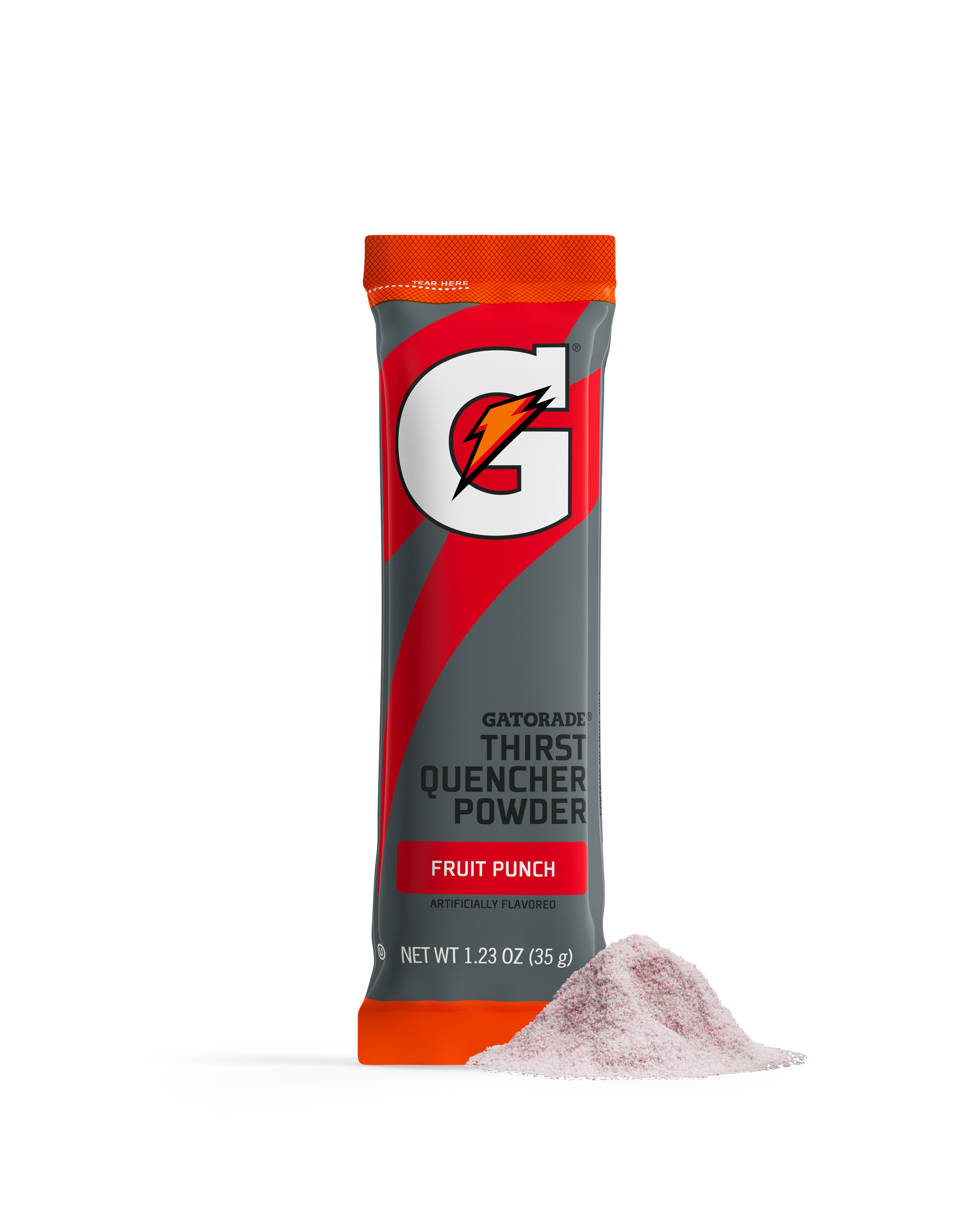
- On the go hydration
- 1 packet makes 15oz
- Electrolytes to rehydrate, carbs to refuel
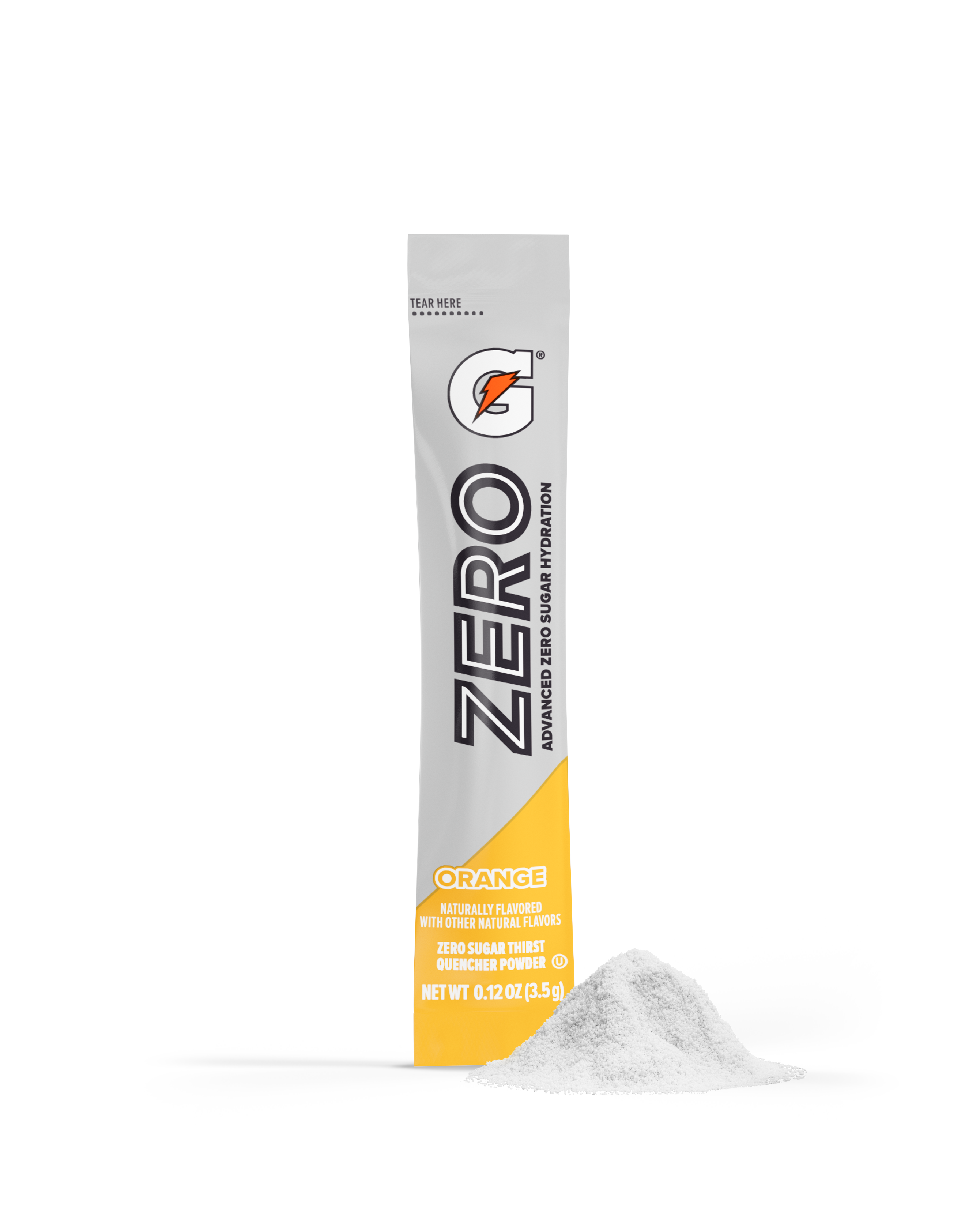
- On the go hydration
- 1 packet makes 15oz
- Electrolytes to rehydrate, zero sugar
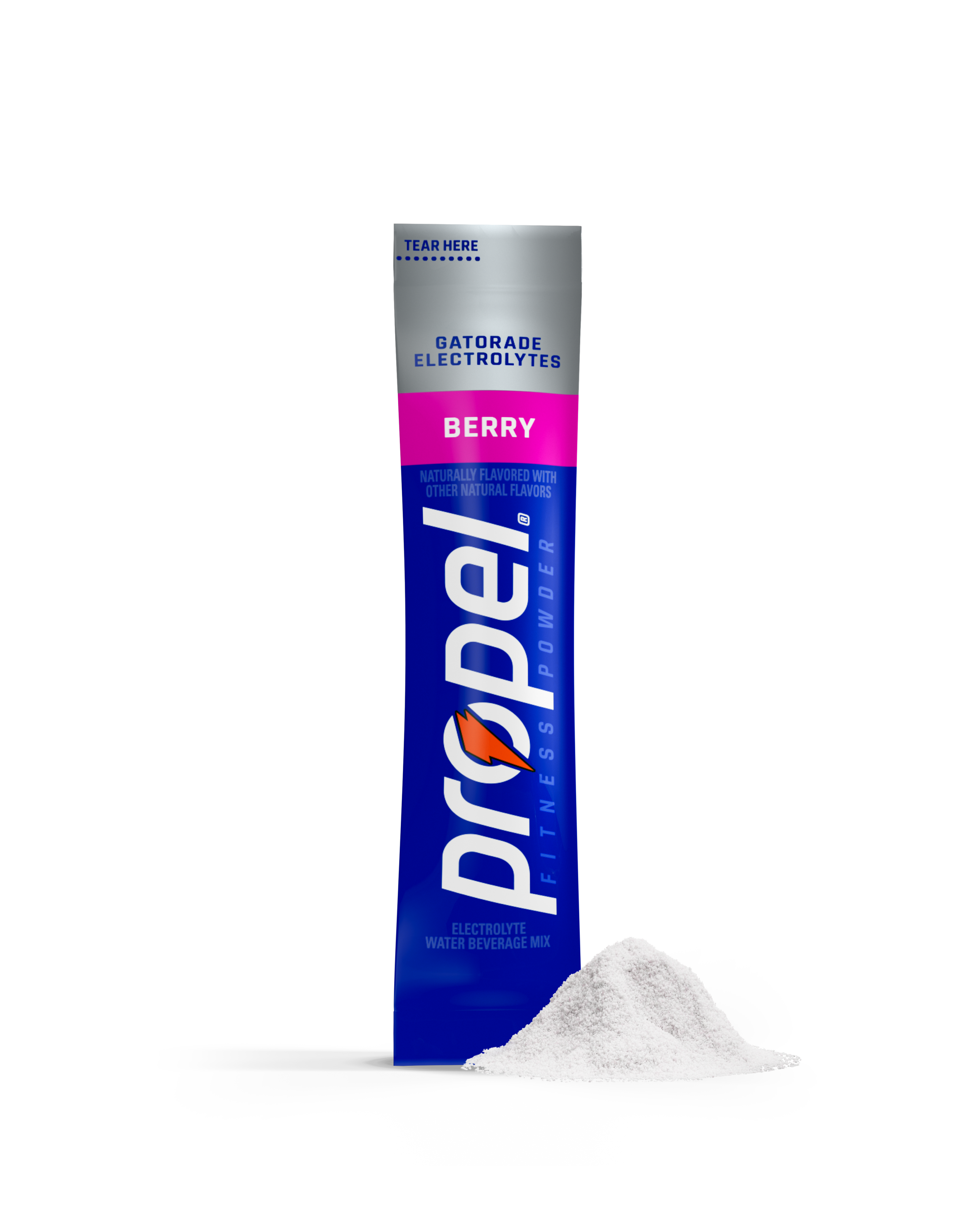
- On the go
- Electrolytes and vitamins
- 1 packet makes 20 fl oz
- Zero sugar and zero calories