
Hydration
Hydration in Heat & Altitude: Stay Fast, Stay Cool
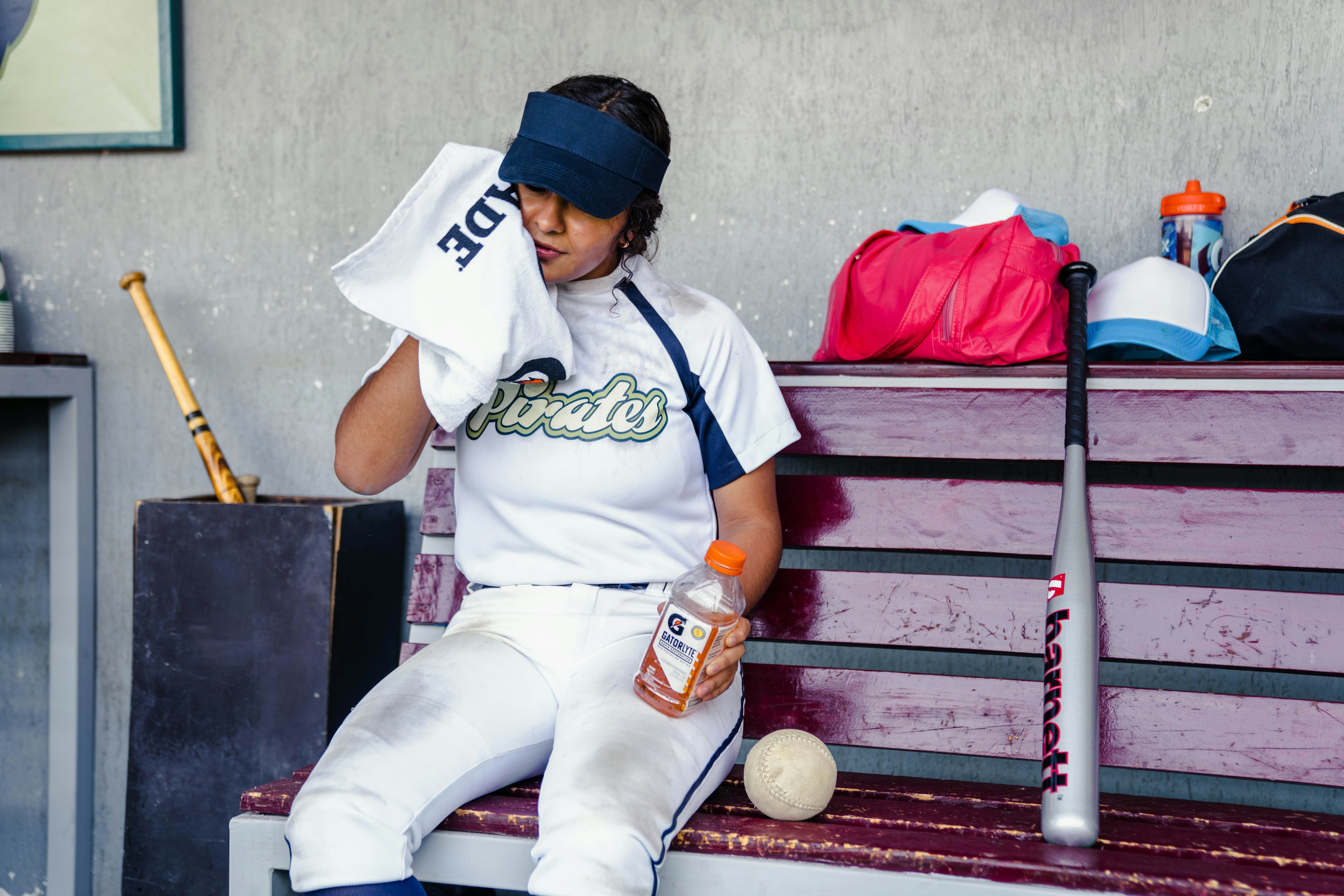
For athletes, hot-weather training isn’t just about grit — it’s about smart strategy. In warm-to-hot conditions, your body’s cooling system goes into overdrive, pumping blood to the skin and sweating to shed excess heat. That sweat is essential for temperature control, but it also drains your fluid reserves.
During intense or long-duration exercise, sweat rates can easily top 1 liter per hour. Relying on thirst alone (“ad libitum drinking”) often isn’t enough to keep up — a phenomenon called voluntary dehydration. Over time, those un-replaced fluids add up, leaving you hypohydrated. And once your body water deficit passes 2% of body mass (about 3% of total body water for most athletes), performance starts to take a hit.
When Does Hypohydration Actually Slow You Down?
The relationship between hydration and performance depends heavily on the environment. In cool conditions, even moderate dehydration may not affect aerobic output. In temperate weather (20–24°C / 68–75°F), results are mixed — sometimes performance drops, sometimes not.
But in warm-to-hot conditions, the picture is clear: hypohydration usually impairs aerobic performance. In fact, when skin temperature passes 81°F, performance declines about 1% for every additional 1.8°) increase. That may sound small, but over the course of a race or match, that extra strain can be the difference between winning and fading in the final stretch.
Why Training in the Heat Pushes Your Heart Harder
Your body’s cooling demands in the heat create a “double tax” on your cardiovascular system:
Reduced Plasma Volume: The fluid in sweat comes from your blood plasma. As you lose fluid, blood volume drops.
Increased Skin Blood Flow: Hot skin needs more fluid from blood plasma to continue to shed heat.
Heart Rate Boost: Less blood volume + higher skin blood flow = the heart works harder by pumping faster to maintain output.
This combination reduces the amount of blood — and oxygen — getting to your working muscles, making endurance harder to sustain. At altitude, the stress is even greater. Lower oxygen availability already challenges performance, and when combined with hypohydration, the decline is steep.
How Altitude Multiplies Fluid Loss and Fatigue
High-altitude training isn’t just a lung workout — it’s a hydration challenge. You lose more water through breathing (respiratory water loss) and often produce more urine. Sweat rates at altitude can match those at sea level for the same heat load, so you’re losing fluid multiply ways.
One study found that at 3,048 m (10,000 ft) in warm conditions, hypohydrated athletes saw a 34% drop in performance, compared to 19% at sea level in the same heat. Heat + altitude is a tough combo — and hydration management is non-negotiable.
How to Stay Ahead of the Curve
Know Your Sweat Rate
Track how much weight you lose in a training session (adjusted for fluid intake). This helps estimate how much fluid you need to replace.
Don’t Rely on Thirst Alone
By the time you feel thirsty, you’re often already behind. In the heat, plan fluid intake to match your sweat rate as closely as practical. A small amount of weight loss is ok, so it does not have to be matched 100%.
Replace Electrolytes, Not Just Water
Sweat is hypotonic — it has less sodium than plasma — but sodium loss still matters. Without replacement, you risk performance drops.
Adapt to the Environment
Heat acclimation over 7–14 days helps your body sweat more efficiently and improves plasma volume, making hydration easier to manage.
Hydration Game Plan: How to Stay Fast in the Heat and at Altitude
Your needs may be higher than you think. Monitor urine color and daily body mass to track hydration trends.
Gatorade Sports Science Institute