Hydration, Recovery, Parents
Hydration Tips to Help Youth Athletes Beat Heat Stress

It used to be believed that kids could not handle heat as well as adults. But newer research shows that children around 9–12 years old actually regulate their body temperature just fine- when hydration is managed properly. The real issue isn’t age, but modifiable risk factors: activity intensity, rest breaks, hydration, and environmental conditions.
What’s still emerging is how different sports, schedules, and ages interact with these factors. There are promising findings, but more large-scale and sport-specific research is needed to form universal guidelines.
How Much Do Kids Sweat?
Younger athletes can sweat more than you might think. Pre-teens often sweat between 300–700 mL per hour in the heat. Older adolescents can lose over 2.5 liters per hour, although it is important to know that sweat rates vary widely amongst individuals. Along with that sweat comes sodium, chloride, and other important electrolytes that need to be replenished. Rehydrating with water alone may not be enough, especially if they’re playing multiple times in a day.
Even more concerning? Kids often don’t drink enough. Waiting until they’re thirsty puts them at a performance and safety disadvantage, especially in long or back-to-back sessions.
Smart Hydration Guidelines for Youth Sports
Here’s a simple guide to help athletes stay ahead of dehydration:
Ages 9–12: Sip 100–250 mL (~3–8 oz.) every 20 minutes.
Older adolescents: May need up to 1–1.5 L (~34–50 oz.) per hour, especially in intense heat.
Encourage regular drinking, even when they’re not thirsty.
Use flavored, electrolyte-containing sports drinks for better palatability and sodium replacement in high-sweat settings.
Sports drinks have been shown to help increase voluntary fluid intake in young athletes. That said, elite or well-coached athletes might hydrate well regardless of what’s in the bottle, thanks to better habits and more supervision.
Pro Tip: Sweat rates can vary dramatically between athletes. Use this sweat rate calculator to help determine individual hydration needs based on activity, environment, and sweat loss.
Why Fit Kids Still Overheat in Sports
Even healthy, fit kids can experience core temperatures above 39°C (102.2°F) during training or match play in hot weather. Vigorous movement, short rest periods, and strong sun exposure all add up. Sports like tennis, football, and soccer - where players may have little control over intensity or pace - are especially risky.
Interestingly, research shows that pre-practice hydration levels can predict how much heat strain a player experiences. Starting out dehydrated puts kids at a major disadvantage.
The Heat Risks of Tournament Play & Back-to-Back Games
Tournament weekends are where heat stress can really pile up. When games or matches are played with minimal rest, kids have little time to rehydrate or cool off. Even when they drink fluids and their body temperature returns to normal between games, the lingering effects of the earlier match can impair performance and increase strain.
In fact, one study found that match winners in youth tennis could be predicted by the amount of heat exposure they had earlier in the day. That’s how much hot-weather strain can affect performance.
Why Sodium Loss Matters for Sweating Kids
As kids get older and sweat more, their sodium losses rise too - between 2 to 5 grams per hour. If they don’t replace enough sodium during or after activity, they can experience incomplete rehydration, poor recovery, and an increased risk of muscle cramps. This is why sodium, whether through food or sports drinks, matters in high-heat environments.
Protecting Youth Athletes in Hot Weather: 7 Smart Strategies
Here’s how parents, coaches, and organizers can protect kids when the heat is on:
Educate everyone: Athletes, coaches, and parents need to know what to watch for and how to prevent issues.
Build in breaks: Regular rest periods allow kids to drink and cool down.
Modify intensity and gear: Lighter uniforms, shorter sessions, and adjusted drills make a big difference.
Watch for illness: Kids recovering from fever, vomiting, or diarrhea are at higher risk and should limit or skip activity.
Space out games: Tournaments should allow enough recovery time between matches to avoid carry-over heat stress.
Monitor honestly: Encourage athletes to speak up when they’re feeling off. Coaches should act fast if a kid shows signs of overheating.
Emergency plans matter: Always have trained personnel, supplies, and a clear heat illness protocol on site.
When Water Isn’t Enough: Smarter Hydration Solutions
For adolescent athletes, especially during long days of intense play in the heat, fluids that include electrolytes and carbohydrates can make a real difference. Products like Gatorade Thirst Quencher or Gatorade Endurance Formula can support hydration, replace sodium lost in sweat, and encourage kids to drink more often - all key in avoiding heat-related setbacks.
Fueling Youth Athletes: Electrolytes That Go the Distance
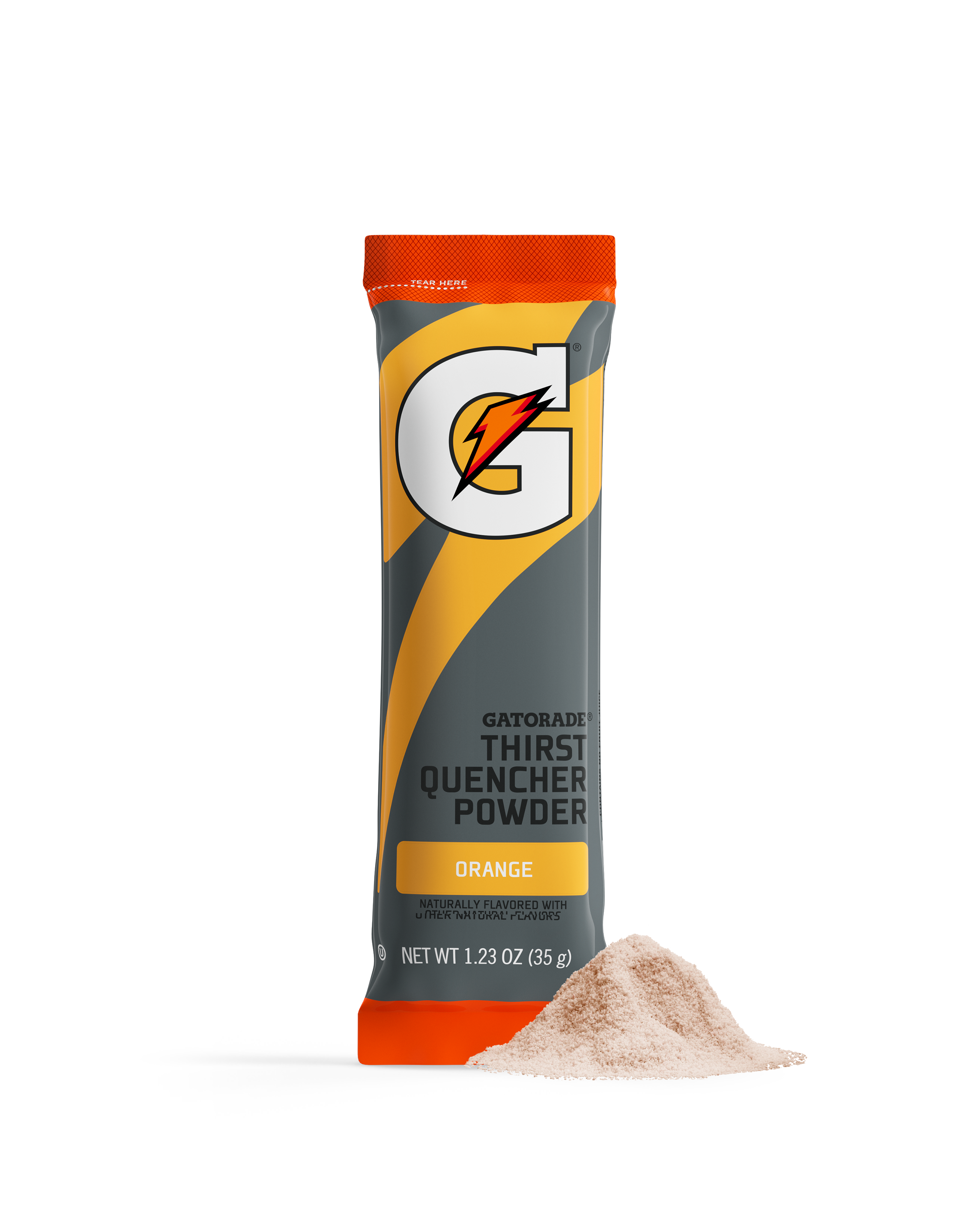
- On the go hydration
- 1 packet makes 15oz
- Electrolytes to rehydrate, carbs to refuel
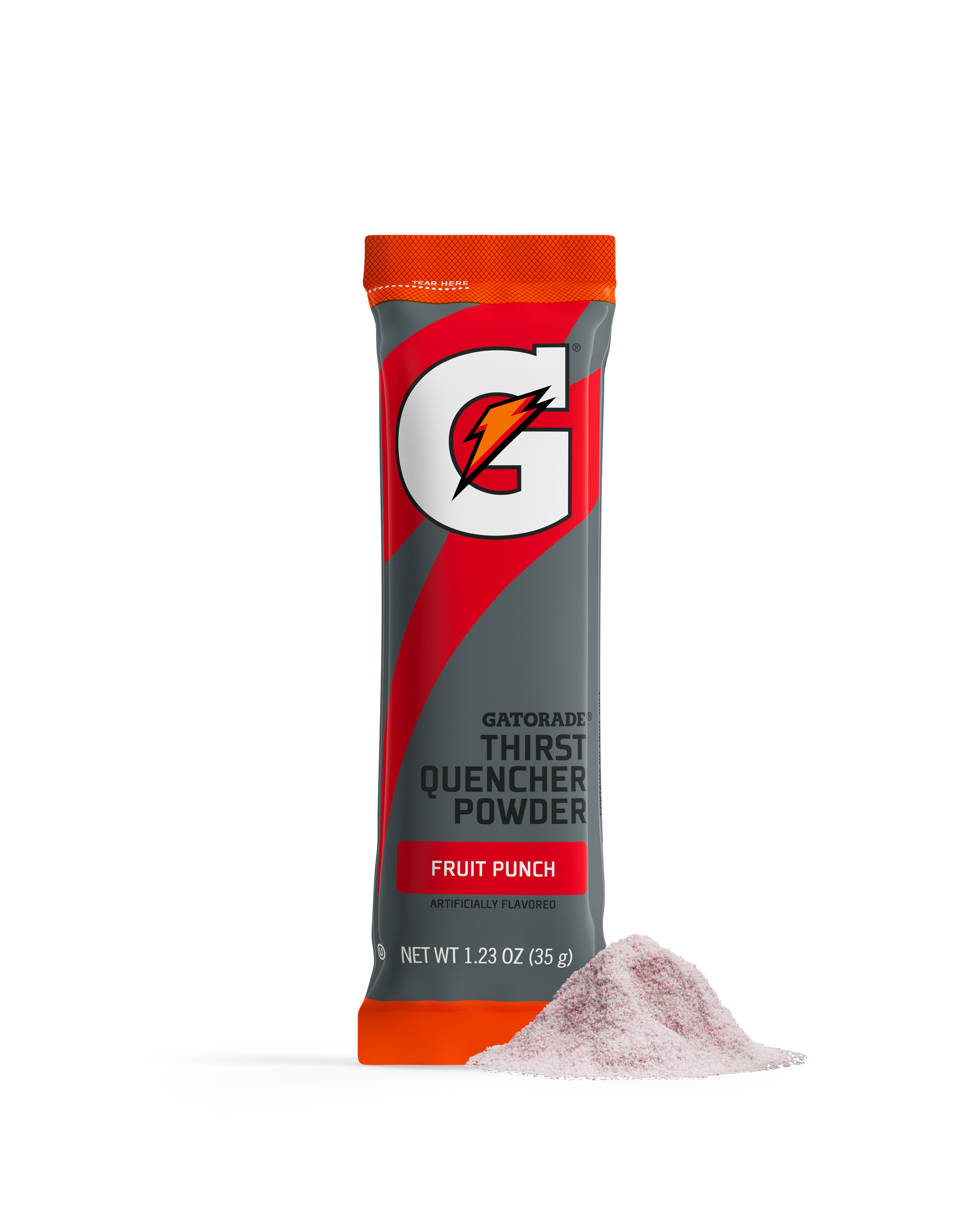
- On the go hydration
- 1 packet makes 15oz
- Electrolytes to rehydrate, carbs to refuel