
Performance, Recovery, Hydration, Parents
Nutrition Tips for Young Athletes: Fueling Growth & Performance
Adolescence is a wild ride—a time of rapid growth, self-discovery, and, for many, a deepening passion for sports. It’s also a crucial period for establishing lifelong habits around diet, exercise, and body image. As young athletes push their limits in training and competition, their nutritional needs become more complex. Balancing these needs while ensuring physical and mental well-being is a responsibility shared by coaches, parents, and sports organizations.
How to Support Healthy Development in Children
For young athletes, sports should be about more than just winning—it’s about building confidence, developing teamwork, and creating a positive self-image. Yet, in sports that emphasize leanness, the pressure to achieve a certain body type can lead to unhealthy behaviors and disordered eating.
To foster a healthier environment, sports organizations are shifting their approach. Gymnastics Australia, for example, introduced body-positive guidelines to promote healthier attitudes toward nutrition and physique. This movement emphasizes performance over appearance, eliminates unnecessary body composition assessments, and encourages education on the dangers of chronic low energy availability. By taking a more responsible approach, we can ensure that youth athletes develop both physically and mentally in a way that supports their long-term health and success.
Meeting the Energy Demands of Growing Athletes
Adolescents are not just smaller versions of adults—their bodies are constantly changing, making their energy needs highly variable. Factors like growth spurts, hormonal fluctuations, training intensity, and even ethnicity influence caloric requirements. A one-size-fits-all approach simply doesn’t work.
Recent research has provided more precise ways to estimate an adolescent athlete’s basal energy needs. While traditional adult-based equations often underestimate their energy expenditure, new predictive models tailored to junior athletes offer better accuracy. The takeaway? Ensuring young athletes consume enough fuel is just as important as making sure they train properly.
Macronutrients: Essential Fuel for Performance
Protein for Muscle Growth & Recovery: Essential for muscle development, protein needs increase significantly during adolescence. Studies suggest that consuming about 1.5g of protein per kg (0.68 g/lb) of body weight daily, spread across meals, supports optimal development.
Carbohydrates for Energy: The body’s preferred energy source, especially during high-intensity training. Adolescent athletes engaging in multiple sports or frequent competitions must adjust their carbohydrate intake accordingly.
Fats for Overall Health: Necessary for hormone production, vitamin absorption, and energy balance. While young athletes may have slightly higher fat oxidation rates than adults, balanced fat intake remains key.
Key Micronutrients for Young Athletes
Iron for Endurance & Oxygen Transport: Endurance athletes, particularly female athletes, are at risk for iron deficiency, which can negatively impact performance and recovery. Monitoring serum iron levels, including ferritin, and consuming iron-rich foods is essential.
Calcium & Vitamin D for Bone Strength: Adolescence up to the age of 30 is a critical time for skeletal growth and maximizing bone density. Weight-bearing exercise strengthens bones, but adequate calcium and vitamin D intake with lasting skeletal integrity.
Hydration Strategies for Peak Performance
Children and young athletes regulate heat differently than adults, relying more on radiative and conductive cooling mechanisms than sweating up until the final stage of puberty. This makes hydration critical, particularly in hot conditions. Since adolescents may not always recognize dehydration signs, proactive hydration strategies—such as scheduled water breaks and access to electrolyte-rich fluids—are key.
Research shows that trained adolescent athletes can lose significant fluid through sweat, sometimes exceeding 4% of body mass. High sweat rates of over 2 liters per hour have been documented, particularly in hot conditions.
Fluid deficits of this magnitude can impair performance and increase the risk of heat illness. Despite these risks, many young athletes fail to drink enough fluids, making planned hydration strategies essential rather than relying solely on thirst cues.
In environments where heat stress is high, ensuring access to cool fluids, wearing breathable clothing, and incorporating rest periods in shaded areas can help prevent overheating. Coaches and parents should also reinforce hydration habits by encouraging athletes to drink before, during, and after exercise.
The Role of Supplements: Do They Help or Harm?
While supplements can play a role in addressing specific deficiencies (e.g., iron, calcium, vitamin D), their use for performance enhancement is generally discouraged in adolescent athletes. The focus should remain on balanced, whole-food nutrition and proper training. Encouraging natural food sources over supplements helps instill healthy, sustainable habits.
Many young athletes turn to supplements due to peer influence, marketing, or the misconception that they are necessary for performance gains. Popular choices include protein powders, creatine, and caffeine-based products. However, the long-term effects of many supplements on developing bodies remain largely unstudied, making their safety uncertain.
Additionally, some supplements pose contamination risks, as unregulated products may contain banned substances or harmful additives. Unless prescribed for medical reasons by a qualified professional, young athletes should prioritize whole foods over supplements to meet their nutritional needs
Building a Positive Nutrition Culture
Encourage, don’t criticize: Adolescents are more likely to adopt healthy habits when they feel supported, not judged.
Make healthy choices convenient: Simple nudges, like having pre-cut fruit readily available, can influence better choices.
Engage their peers: Since social influence is powerful, promoting healthy eating through team activities can be highly effective.
Personalized approach: Not all adolescents have the same experiences—listening and adapting strategies to their needs is key.
Final Thoughts: The Long Game in Youth Nutrition
Adolescence is a pivotal time for young athletes—not just in their sports careers, but in setting the foundation for lifelong health. Supporting their growth with evidence-based nutrition strategies, fostering positive body image, and ensuring they fuel adequately for both performance and recovery will help them reach their full potential.
Proper hydration plays a vital role in keeping young athletes performing at their best. Whether at practice, during a game, or on the go, having a reliable hydration solution can make all the difference.
The Gatorade Rookie 12oz Stainless Steel Bottle is designed to keep future All-Stars hydrated with its leak-proof flip straw, comfort grip handle, and durable stainless steel construction. Built for kids aged 3 and up, it keeps drinks cold for over 24 hours—making it the perfect hydration companion for active young athletes on the move.
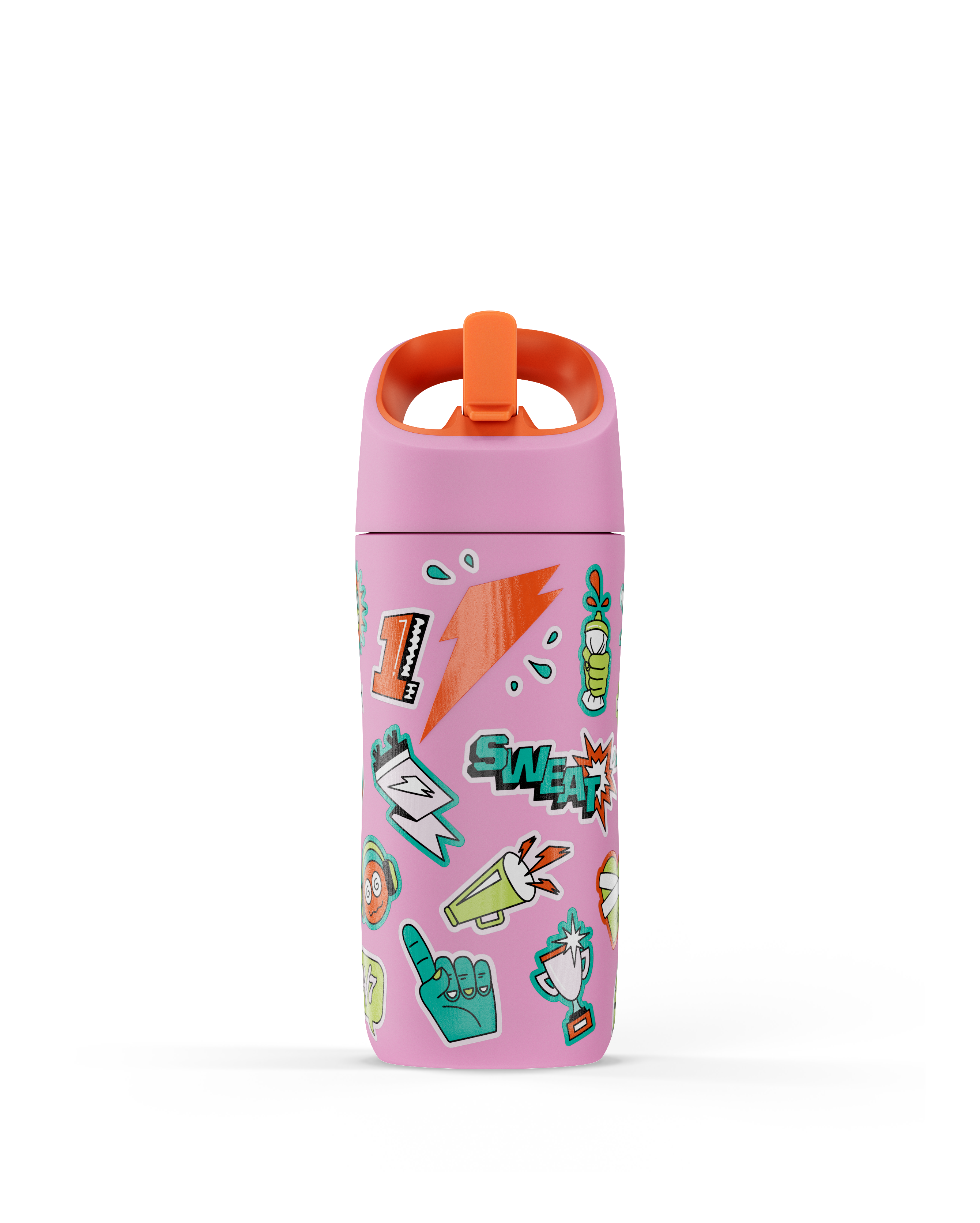
- BPA-free 12oz Rookie Stainless Steel Bottle, with a leak-proof flip straw and comfort grip handle.
- Designed for kids 3+. Choking Hazard: Small Parts. Not for use by children under 3 years
- Dent Resistant: 18/8 stainless steel protected by a durable, outer shell (TPE material)
- Easy-Flow Straw Cap: Flip-up straw spout makes hydrating easy while being leak-proof and spill-proof when closed
- 24+ Hour insulation: Double-walled insulation keeps the outside dry & drinks cold for hours
- Personalized I.D. Badge: Space to write your name & make it your own
- Top-rack dishwasher safe, straw brush included, odor and stain-resistant
Gatorade Sports Science Institute