
Performance, Recovery
Plant-Powered Performance: A Practical Nutritional Guide for Vegetarian & Vegan Athletes

More and more athletes are going green—not just on the field, but on their plates. From elite competitors to weekend warriors, plant-based diets are gaining popularity. Whether for health, ethics, or the environment, many athletes are choosing vegetarian or vegan diets. The good news? With the right approach, these diets can fully support your training, recovery, and performance.
Here’s how to thrive as a plant-based athlete.
First, the Science
Vegetarian and vegan diets are associated with reduced risk of chronic disease and may provide high levels of carbohydrates and antioxidants—two big wins for athletic health and performance. But don’t be misled: current research doesn’t show these diets are better than omnivorous ones for athletic performance. That said, they can meet your needs—if you eat strategically.
Nutrients That Need Extra Attention
Plant-based diets can fall short in a few key areas. Here’s where to focus:
Protein: Aim for 1.2–2.0 g/kg body weight per day. Include a variety of sources—legumes, tofu, tempeh, nuts, seeds, soy milk, whole grains. Dairy and eggs will also provide protein if the vegetarian is ok with these animal sources. No need to obsess over combining proteins at every meal, but spread intake across the day.
Iron: Non-heme iron found in plants isn’t absorbed as well as heme iron found in animal sources. Boost absorption by pairing iron-rich foods (beans, lentils, leafy greens) with vitamin C sources (citrus, tomatoes). Avoid tea or coffee at meals, which can block absorption.
Vitamin B12: Found only in animal products, so vegans must supplement or eat fortified foods regularly.
Calcium and Vitamin D: If you skip dairy, load up on fortified plant milks, tofu, and leafy greens. Consider a supplement, especially for vitamin D during winter or if you train indoors.
Omega-3s: ALA-rich foods like chia, flax, hemp, and walnuts may help, but consider algae-based DHA/EPA supplements for greatersupport.
Zinc and Iodine: Whole grains and legumes help with zinc; iodized salt or sea vegetables support iodine needs.
Fueling Your Training
Carbs are your best friend—vegetarian diets are typically high in them, which helps replenish glycogen and sustain high-intensity efforts. Aim for 5–10 g/kg body weight, depending on your training load. Keep an eye on fiber intake though, it is an important nutrient, but excessive fiber intake can inhibit absorption of micronutrients.
Energy intake is crucial, especially if your diet is high in fiber and low in calories. If you’re struggling to maintain weight, use more energy-dense foods (like smoothies, dried fruit, nut butters) and don’t shy away from some refined carbs around workouts.
Fats provide essential fuel too. Prioritize unsaturated fats from nuts, seeds, avocado, and oils. Keep saturated fats from dairy and eggs moderate, and avoid extremely low-fat vegan diets if you're in heavy training.
Special Considerations
Young athletes, high-volume trainers, and those trying to lose weight may need more structured support. High fiber can reduce energy intake or cause GI distress. Plan frequent meals and snacks and use familiar foods around training and competition.
Watch out for RED-S (Relative Energy Deficiency in Sport), which can impact hormonal balance, bone health, and recovery. Vegetarian athletes—especially teens and women—should be monitored closely to ensure they’re fueling adequately. Depending on the plant based foods chosen, these diets can be low in energy (calories).
Practical Tips for Plant-Based Performance
Eat a wide variety of foods. Diversity = nutrient security.
Plan your plate: grains, veggies, legumes, healthy fats.
Don’t skip snacks—keep them easy and portable.
Include fortified foods or supplements for B12, D, and iodine.
Around training, use simple carbs (fruit, juice, bars, sports drinks) for quick energy.
Use high-protein combos like beans + rice, peanut butter + bread.
Fueling on the Fly
Athletes on the go need practical solutions. Pre-packed snacks like trail mix, energy bars, dried fruit, or nut butter packets make it easier to hit targets.
For athletes looking to boost their protein intake while staying plant-based, Evolve® Protein Powder can be a great addition to the routine. With 20 grams of protein per serving and a good source of iron and calcium, Evolve supports active lifestyles without compromising values.
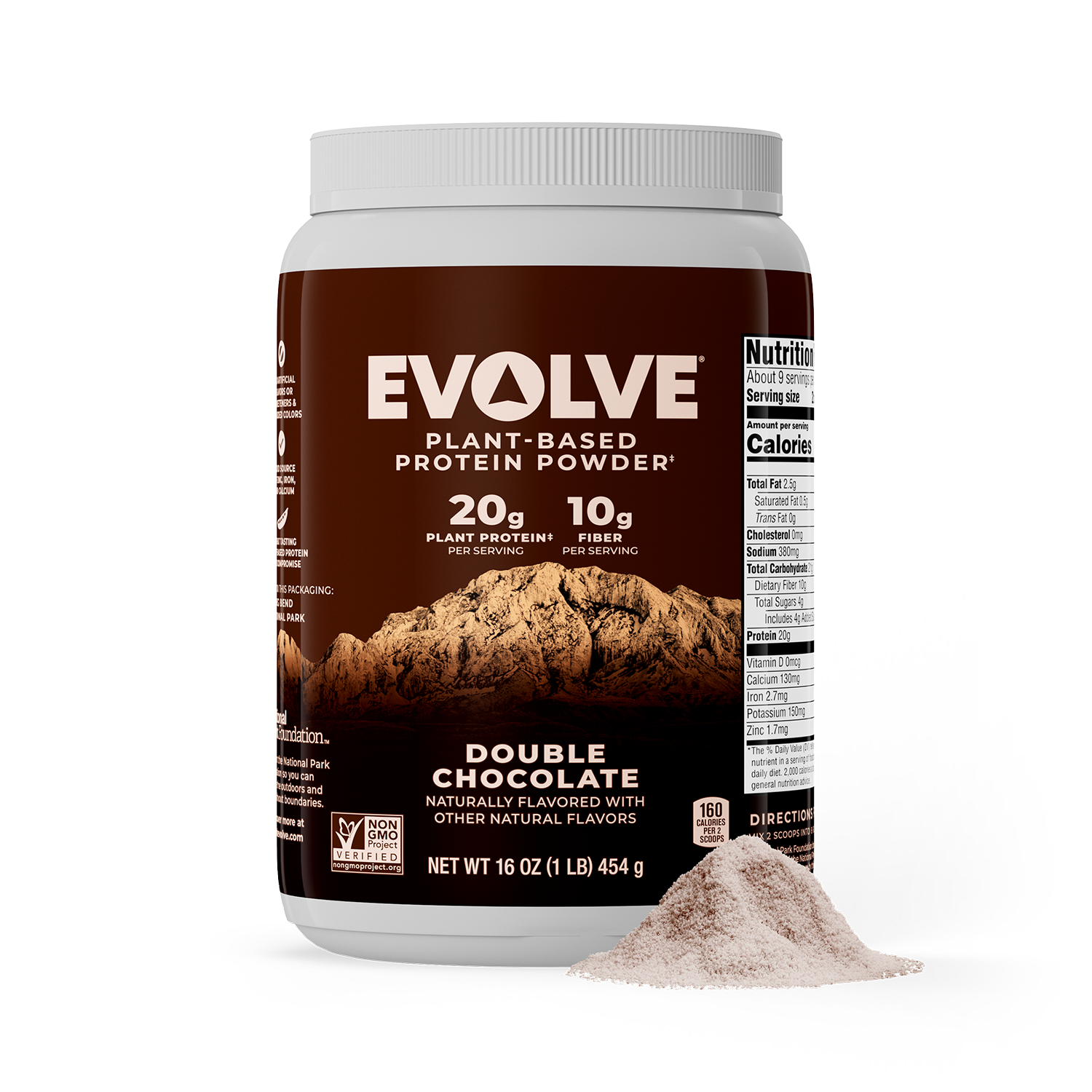
- 20g of plant-based pea protein per serving
- 10g of plant-based fiber to support daily nutrition
- Good source of calcium, iron, and zinc
- 100% vegan and Non-GMO Project Verified
- No colors from artificial sources
- Smooth, great-tasting formula without a “pea” flavor
- Pea protein is a sustainable, eco-friendly protein source
- Supports an active, outdoor-inspired lifestyle
The Bottom Line & Takeaways
Vegetarian and vegan diets can absolutely support athletic performance—with a little extra planning. Focus on key nutrients, plan for energy demands, and build habits that fuel both your values and your goals.
Vegetarian and vegan athletes can meet performance needs with careful planning.
Focus on energy, protein, iron, B12, vitamin D, calcium, omega-3s, zinc, and iodine.
Eat a variety of plant-based foods and consider supplements as needed.
Use convenient snacks and sports nutrition products to stay fueled during training.
A well-balanced plant-based diet can support both health and high performance.
Gatorade Sports Science Institute