Performance, Recovery
Sleep Tips for Athletes: Maximize Recovery & Performance
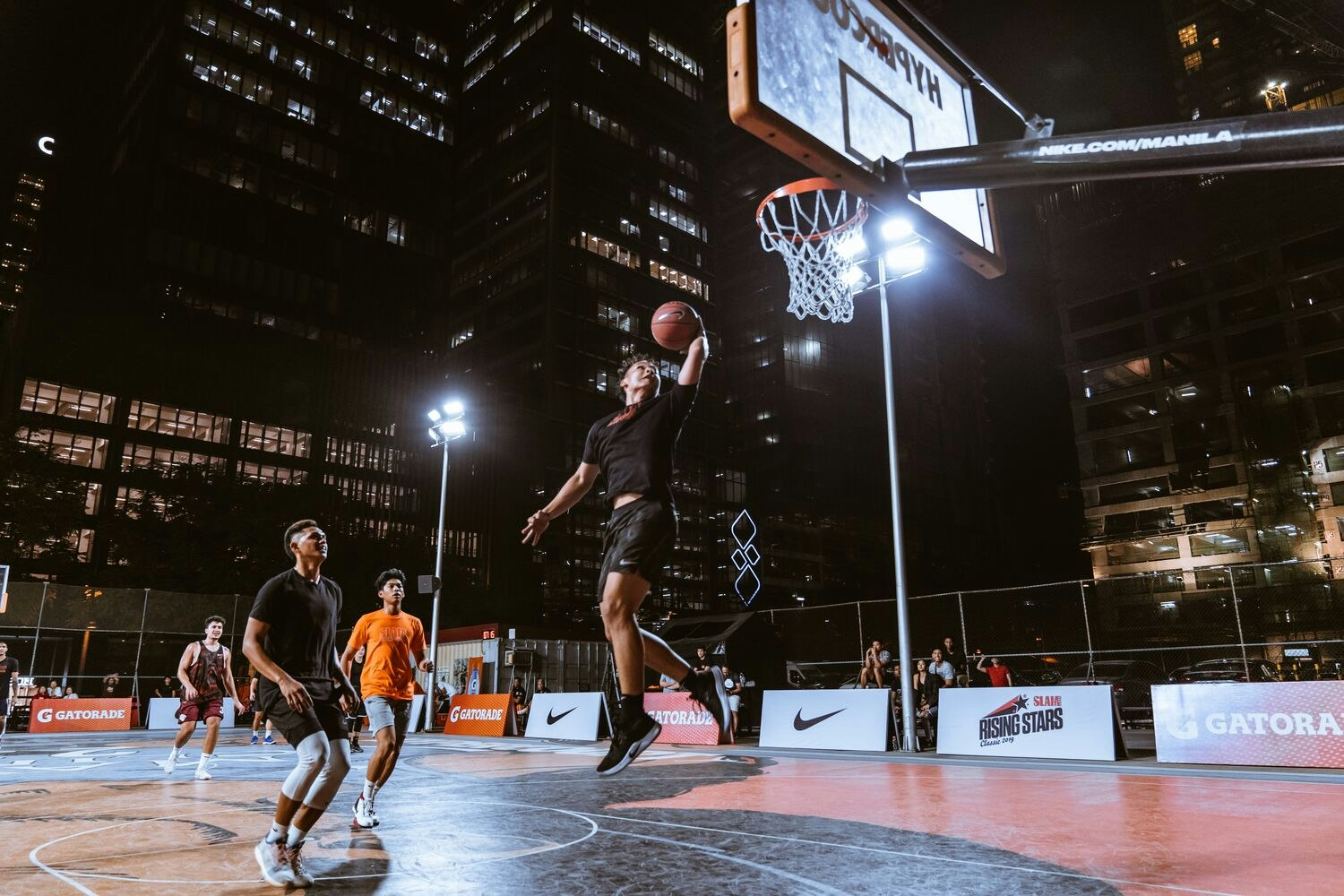
Athletes train hard, eat right, and hydrate—but what about sleep? It’s the secret weapon many overlook. In one study, when collegiate male basketball players increased their sleep from 6.7 to 8.5 hours per night, their performance skyrocketed—free throw accuracy jumped 11%, three-point shooting improved by 14%, sprint speed increased by 4%, and reaction time sharpened by 12%. That’s a game-changing edge!
Beyond the scoreboard, quality sleep lowers stress hormones, boosts testosterone, and cuts the risk of injuries and illness. But here’s the catch—athletes often struggle to get enough sleep thanks to early training, late-night games, travel, and pre-competition nerves. Fortunately, with the right strategies, better sleep (and better performance) is within reach.
Make Sleep Education a Season-Long Priority
Most athletes don’t realize just how much sleep impacts their performance. Research shows that sleep education improves consistency, efficiency, and overall sleep quality. But here’s the kicker—one education session isn’t enough. Reinforcing key messages about sleep quantity, quality, and timing throughout the season keeps athletes on track and invested in their recovery.
Spot Sleep Issues Before They Hurt Performance
Up to 25% of elite athletes have clinically significant sleep problems. The Athlete Sleep Screening Questionnaire (ASSQ) is an easy way to assess sleep challenges and identify athletes who need specialist support. Screen athletes in the off-season to address issues before they interfere with in-season competition.
Use Naps as a Performance Tool
Napping isn’t just for recovery—it’s a proven way to enhance reaction time, alertness, and physical power. Research on karate and judo athletes shows that pre-competition naps can sharpen focus and improve performance. The sweet spot? 20–90 minutes in the afternoon. Anything too late or too long can mess with nighttime sleep, so timing is key.
Bank Sleep Before Big Events
Think of sleep like a savings account—you can deposit extra hours before a stressful event and cash them in later. Studies show that sleep banking improves reaction time, sprint speed, and even sport-specific skills. Whether it’s getting an extra 90 minutes per night for a week or just one long night before competition, a little extra sleep can make all the difference.
Set Up the Perfect Sleep Environment
Athletes need to prepare their minds, bodies, and sleep spaces for optimal rest. Here’s how:
Limit Blue Light at Night:
Exposure to bright light, especially blue light from screens, delays melatonin production, making it harder to fall asleep. To minimize the impact, athletes can wear blue-light-blocking amber glasses or use night-mode settings on their devices. Another effective strategy is getting natural light earlier in the day, which helps regulate melatonin secretion and improves overall sleep patterns.
Wind Down Before Bed:
A pre-sleep routine signals the body that it’s time to rest. Instead of scrolling through social media (which increases alertness), athletes should read a paper book, write a to-do list to clear their minds, or try the "cognitive shuffle"—a technique where they think of a word and list objects that start with each letter. Engaging in these calming activities can help prevent racing thoughts and promote relaxation.
Take a Warm Shower or Bath:
Body temperature naturally drops before sleep, signaling the brain that it's time to rest. Taking a warm bath or shower before bed helps trigger this process by increasing blood flow to the extremities, leading to a post-shower cooldown that improves sleep quality, efficiency, and onset.
Make Your Room a Sleep Sanctuary:
A cave-like sleep environment—cool, dark, and quiet—is ideal for quality rest. Keeping the bedroom temperature between 60-68°F has been shown to improve sleep efficiency and reduce nighttime awakenings. Blackout curtains can block external light, and covering light sources in the room can prevent melatonin disruption. For noise control, earplugs or white noise machines can enhance sleep quality by reducing disruptions from environmental sounds.
Be Smart with Caffeine & Supplements:
Caffeine can enhance athletic performance but also disrupt sleep if consumed too late in the day. Instead of relying on caffeine close to bedtime, athletes can explore natural sleep aids like tart cherry juice, which boosts melatonin levels and improves sleep efficiency. Magnesium may also help, especially for those with insomnia symptoms, though more research is needed in athletic populations.
Athletes should always discuss supplement use with a registered dietitian or physician to ensure safety, appropriate dosing, and compatibility with their training and health needs.
The Bottom Line
Better sleep means better performance—it’s that simple. Whether it’s reinforcing good habits, screening for sleep issues, using naps strategically, banking sleep, or optimizing the sleep environment, small changes can lead to big results. Coaches and trainers, this is your playbook for helping athletes rest, recover, and win.