
Women's sports, Performance, Recovery, Immune Health
Supplement & Nutrient Strategies for Active Women
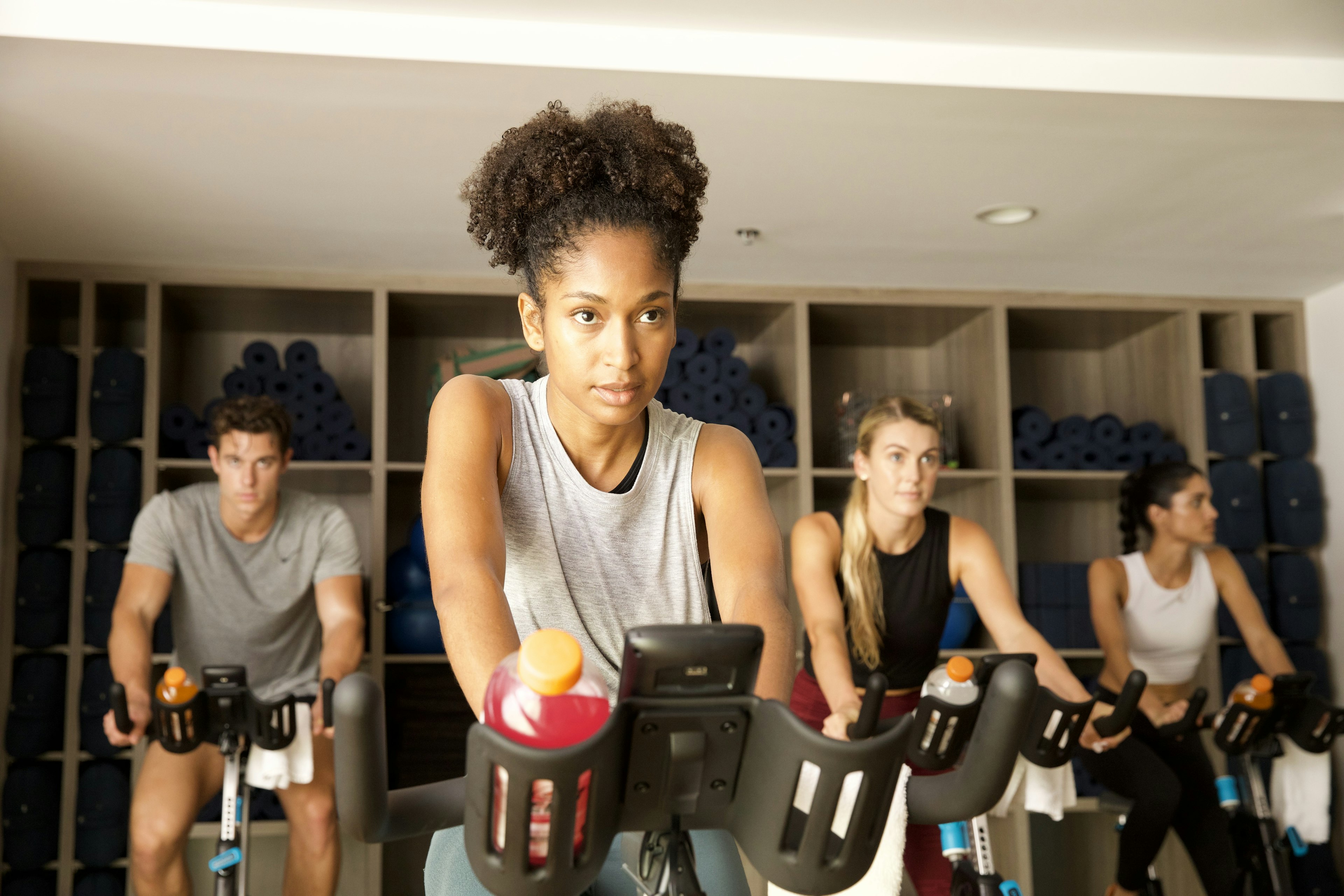
Women are leading the charge in athletic participation and supplement use—but the science behind female-specific nutrition still has room to grow due to lack of female specific reserach. The research is just starting to catch up on the physiological realities of women, and what we know so far points to one clear truth: a woman’s hormones significantly influence how her body uses energy, builds muscle, and recovers from training.
From adolescence to menopause, estrogen and progesterone shape everything from fat oxidation to protein metabolism. Combine that with the growing use of oral contraceptives (OCs) and changes during aging, and it becomes clear: nutrition and supplementation for active women should never be one-size-fits-all.
Let’s break down the current research on how hormones affect performance and where supplements may offer support.
Menstrual Cycle Metabolism: Fueling for Fluctuation
A typical menstrual cycle isn’t just about reproductive changes—it affects how women use carbs, fats, and even protein. Although these fluctuations do not appear to have a significant impact on actual exercise performance.
Follicular Phase (FP): Low estrogen/progesterone levels may boost carb utilization, making this a potentially high-performing window for high-intensity training.
Luteal Phase (LP): Higher progesterone can enhance fat oxidation but may also bring more inflammation, fatigue, and protein breakdown.
Implication: Women may benefit from adjusting macronutrient ratios or supplement timing to align with cycle phases. For instance, beta-alanine and omega-3s may help counteract fatigue during the LP.
The OC Factor: Metabolism Meets Medication
Over half of female athletes use oral contraceptives. Yet, we still don’t fully understand how OCs affect exercise performance and nutrient needs.
Some evidence suggests:
OCs may alter protein metabolism, inflammation, and oxidative stress.
Caffeine metabolism slows with OC use, potentially increasing side effects like anxiety or sleep disruption.
Supplementation with antioxidants, creatine, or adaptogens like teacrine may help counter these shifts, though more data is needed.
Menopause & Muscle: The Anabolic Resistance Challenge
Estrogen plays a key role in maintaining lean mass and resting energy expenditure. During perimenopause and menopause, estrogen levels decline sharply—a shift linked to increased fat storage, lower resting energy burn, and reduced muscle protein synthesis (MPS).
Early findings suggest:
Women may need more protein (1.6+ g/kg/day) and higher-quality protein (rich in essential amino acids like leucine).
Supplementing with high quality protein can help overcome age-related anabolic resistance.
A 2:1 carb-to-protein ratio may support better body composition changes in this life stage.
Supplements with Potential for Active Women
Here’s what the emerging science suggests for performance, recovery, and overall well-being:
Energy & Endurance
Beta-Alanine: Supports high-intensity performance; women may benefit due to naturally lower muscle carnosine (beta-alanine is a precursor).
Caffeine: Effective for performance, but timing matters to avoid sleep disruptions—especially during the luteal phase or with OC use.
Creatine: Enhances strength, recovery, and cognitive function; women have lower baseline stores and may benefit more than men.
Nitrates (e.g., beetroot juice): May improve blood flow and reduce perceived exertion; women convert nitrates to nitric oxide more efficiently.
Cognition & Focus
Teacrine: May boost alertness without caffeine habituation.
Omega-3s: May help reduce inflammation and improve mood, especially useful during hormonal shifts.
Nootropics (e.g., L-theanine, rhodiola, ashwagandha): May help manage stress and cognitive fatigue.
General Health & Recovery
Vitamin D & Magnesium: Support muscle and bone health, particularly important during menstruation and menopause.
Probiotics: Aid in digestion; women may have greater gut sensitivity and benefit from targeted strains.
Iron & Calcium: Critical for menstruating athletes and those at risk of osteoporosis.
To ensure proper dosing and timing—especially when supplementing—athletes should consult with a sports dietitian to tailor intake to their individual needs and training cycles.
Key Takeaways
Hormones significantly impact how women process nutrients and recover from exercise.
Active women may benefit from phase-specific fueling strategies across the menstrual cycle.
Oral contraceptives and menopause introduce unique metabolic challenges.
Supplements like beta-alanine, creatine, EAAs, omega-3s, and vitamin D show promise for improving performance and health.
Protein needs for active women may be higher than current general recommendations.
Gatorade Sports Science Institute