
Performance, Recovery
Why Football Recovery Looks Different for Every Player
Key Takeaways
Football recovery looks different for every player
Position, playing time, and workload may affect recovery needs
Linemen and skill players may experience different recovery demands
Coaches often monitor training demands and player responses to help understand readiness
Sleep, nutrition, hydration, and recovery habits can all matter
Communication between players and staff may help support season-long performance as part of an overall recovery approach described in the research
This article summarizes findings from published scientific research (as described in the original GSSI article linked above). It is provided for general informational purposes and does not constitute medical or safety advice.
You finish a game feeling completely drained.
Your legs are heavy. Your body feels beat up. Practice two days later still feels harder than usual.
Meanwhile, your teammate seems ready to go.
What gives?
In football, recovery is rarely one-size-fits-all. Two players can go through the same game and recover very differently depending on position, playing time, training demands, and how their body responds to stress.
That matters because football is demanding. Staying ready during a long season is not only about training hard - it is also about understanding recovery.
According to sports science research, monitoring recovery may help players and performance staff better understand how individual athletes are responding to practices, training sessions, and games over time.
Why Football Recovery Is Different for Every Player
Football places unique demands on the body.
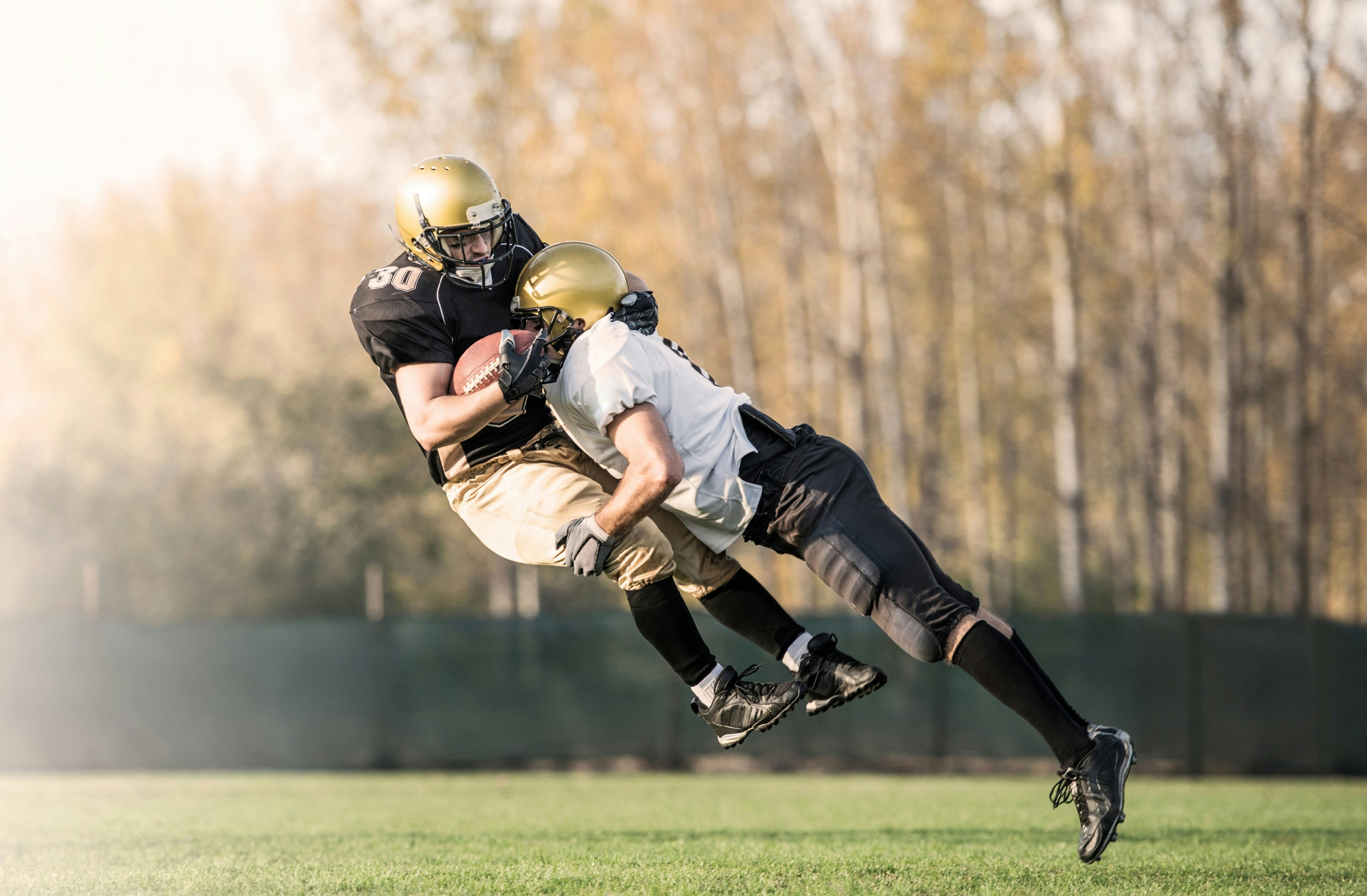
A wide receiver sprinting downfield experiences a very different game than an offensive lineman repeatedly colliding at the line of scrimmage. A starter playing every snap has different demands than a player rotating into specific situations.
Because football includes multiple positions with unique movement patterns and workloads, recovery can look different from player to player. Research suggests factors such as position, playing time, number of impacts, and overall training demands may all influence how quickly athletes bounce back after competition.
That means comparing yourself to teammates is not always helpful.
Recovery is personal.
What Recovery Really Means in Football
When players hear the word “recovery,” they often think of cold tubs, massage guns, or stretching.
But recovery is bigger than that.
In sports science, recovery refers to the process of returning to physical and mental readiness after training or competition. It includes behaviors like sleep and nutrition, along with strategies that help players feel prepared for the next practice or game.
Football players experience physical and mental fatigue throughout the season. Practices, lifting sessions, meetings, travel, and games all contribute to the workload players manage each week.
Generally speaking, the harder the workload, the more recovery may be needed.
Why Position and Playing Time Can Affect Football Recovery
Not every football player experiences the same type of fatigue.
Skill position players such as wide receivers and defensive backs often accumulate more running and sprinting during games. Linemen, on the other hand, may experience more repeated impacts, rapid acceleration, and forceful collisions.
Research suggests these different demands may influence how players recover.
For example, one football study found linemen showed slower recovery in measures related to cardiovascular readiness following consecutive training sessions compared to other positions. Researchers suggested the combination of repeated contact demands and lower aerobic fitness may contribute to these differences.
This does not mean one position is harder than another.
It suggests recovery strategies should be customized.
How Coaches May Monitor Football Recovery and Readiness
At many levels of football, coaches and performance staff track how players are responding to training demands.
This is often called athlete monitoring.
The goal is not to judge players or collect data for the sake of data. The goal is to better understand readiness.
Researchers describe two important types of monitoring:
External load refers to the work players complete - things like practices, lifting sessions, running volume, or game demands.
Internal load refers to how players respond to that work physically and mentally.
Even when players complete the same workout, responses can differ.
One player may feel ready the next day, while another feels unusually fatigued.
That information can help inform training decisions.
What Football Fatigue Can Look Like During the Season
Fatigue is not always obvious.
Sometimes it feels like heavy legs or soreness. Other times it looks like reduced energy, slower movement, or feeling mentally drained after repeated practices and games.
Research suggests football players in certain conditions can experience lingering soreness, reduced feelings of wellness, and changes in readiness for multiple days after games, depending on workload and individual demands.
This is one reason consistency matters.
Players who pay attention to how they feel and communicate openly with coaches, athletic trainers, or performance staff may better understand how to manage demanding stretches of the season.
How Sleep, Nutrition, and Recovery Habits May Support Football Performance
There is no single recovery strategy that works for everyone.
Recovery often includes the basics:
Sleep
Nutrition
Hydration
Training adjustments
Time between demanding sessions
The research emphasizes that recovery is multifaceted. That means no single tool can completely explain readiness, and no one habit guarantees performance. Instead, successful recovery often comes from consistently stacking positive habits throughout the season.
For football players, small habits repeated consistently may matter more than searching for one perfect recovery strategy.
Why Communication Matters for Staying Ready to Perform
One of the biggest themes in football recovery research is communication.
Data alone does not improve performance.
Researchers emphasize that recovery monitoring works best when players and performance staff communicate clearly about training demands, fatigue, and readiness.
The best recovery plan may not necessarily be the most advanced.
It is the one players can realistically follow and coaches can consistently support throughout the season.
Gatorade Sports Science Institute